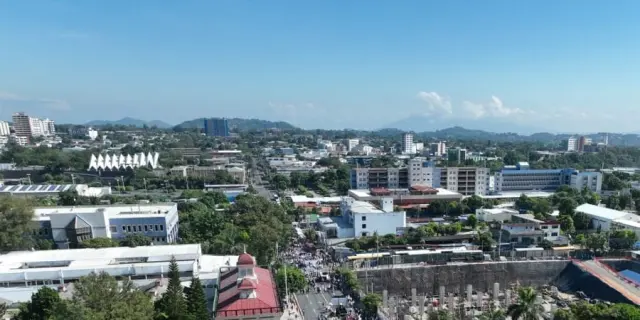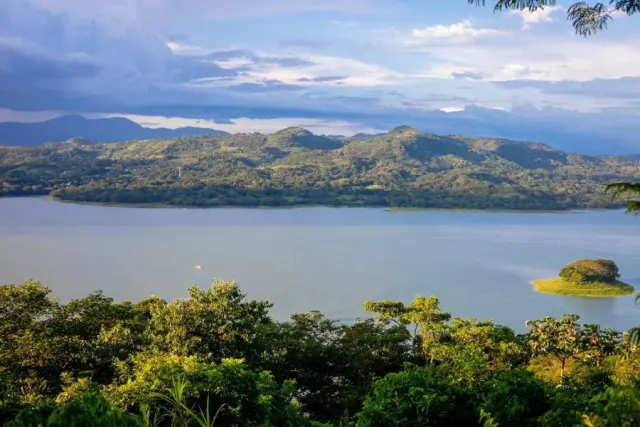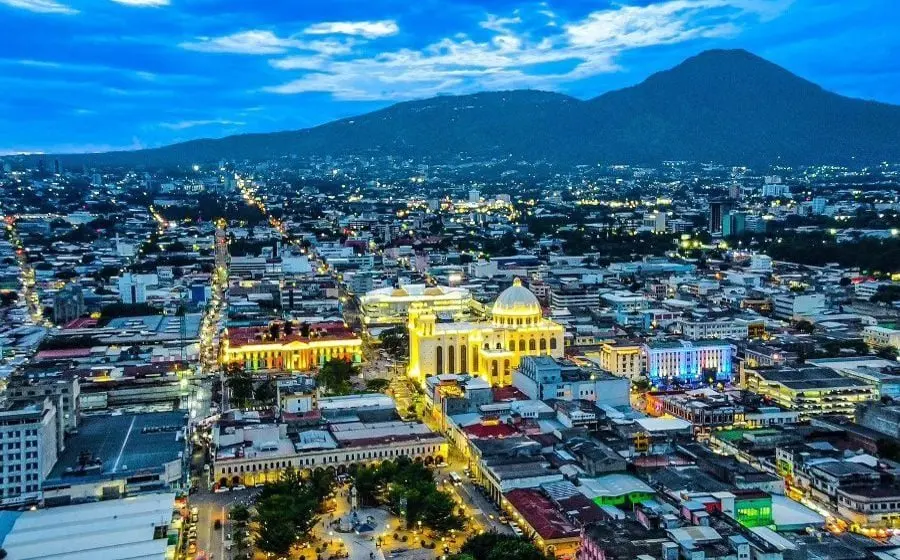
San Salvador sits in a valley ringed by hills and volcanoes in west-central El Salvador, and it's where most trips to the country will begin or end. With a metro area of roughly 1.8 million people across 28 municipalities, it's the country's political and commercial core — and also its transport hub, with roads fanning out to Pacific beaches, mountain towns and coffee country.
Start in the Historic Center, which has had a serious makeover in recent years with restored squares and lit-up landmarks. Plaza Libertad marks Central American independence with its central monument; a short walk away, Plaza Gerardo Barrios fronts two heavyweights: the Metropolitan Cathedral, burial place of assassinated archbishop Saint Óscar Romero, and the early-20th-century National Palace with its courtyards and ceremonial rooms. Nearby Plaza Morazán is home to the ornate National Theater, still a working venue.
Culture runs deeper than the squares. The National Museum of Anthropology (MUNA) covers the country's Indigenous and archaeological history, while MARTE focuses on Salvadoran art. The Centro Monseñor Romero at the UCA university documents the civil war years — sobering but essential context. On the green side, Parque Cuscatlán holds the Monument to Memory and Truth, and El Boquerón National Park on the San Salvador Volcano, just northwest of the city, has trails and viewpoints over a dramatic crater plus ridge-top restaurants.
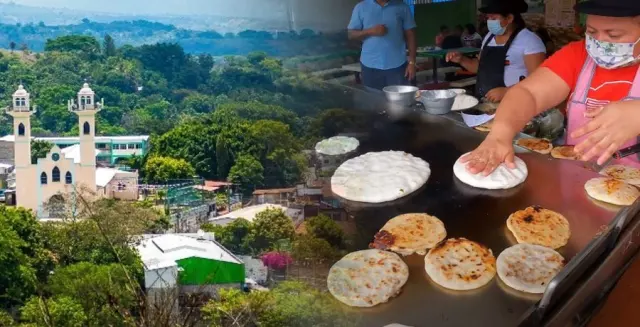
For eating and sleeping, most travellers gravitate to Colonia Escalón (hotels, restaurants, offices) and San Benito's Zona Rosa (dining, nightlife, museums nearby). Food-wise, it's all about pupusas — stuffed corn or rice tortillas with cheese, beans or pork, served with curtido pickle and salsa — plus big Salvadoran breakfasts of eggs, refried beans, plantains, cheese and cream. Markets and neighbourhood comedores are the cheapest and most authentic bets.
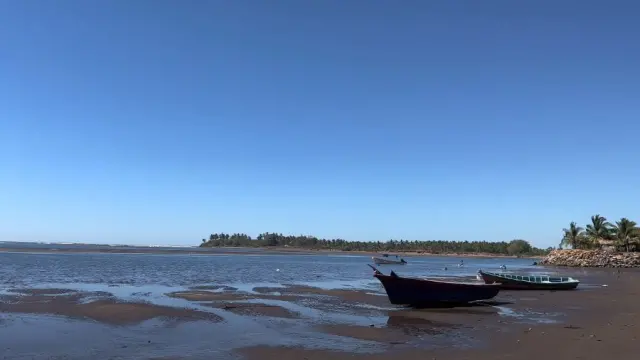
Why it matters: El Salvador is increasingly on travellers' radars, and the capital works as both a destination in itself and a springboard. You can tick off history, museums and street food in a day or two, then use the city as a base for volcano hikes, La Libertad's surf beaches or towns like Santa Tecla and Panchimalco. It suits travellers who want an authentic Central American capital without long transfers — nothing worth seeing is more than a couple of hours away.