
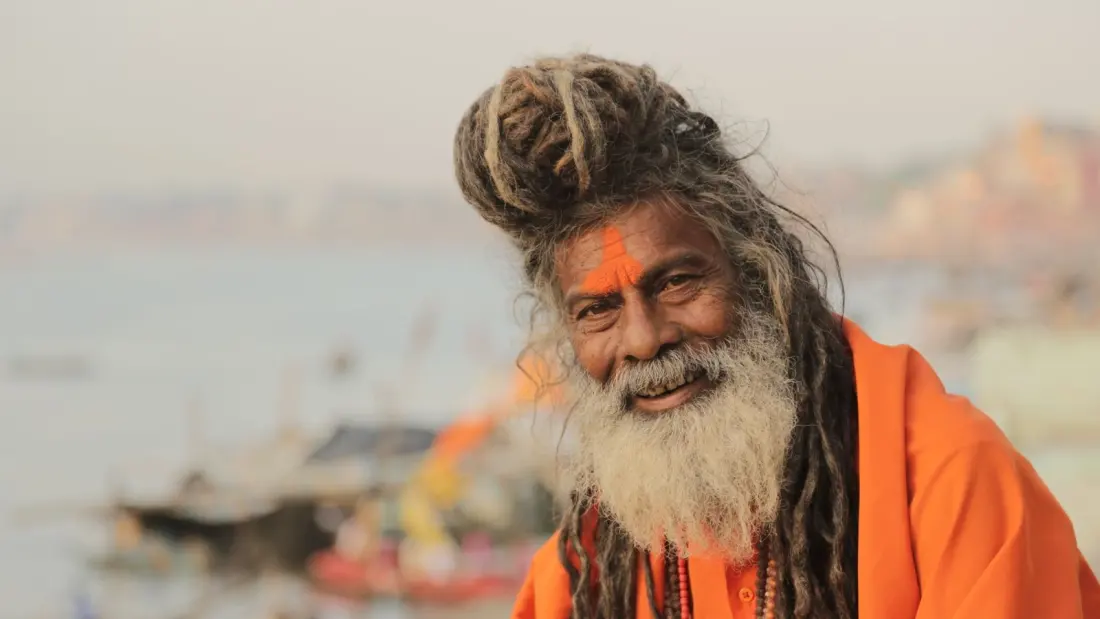
India's postcard highlights get the attention, but the country's most lasting travel memories tend to happen between the landmarks — during a dusk walk, a rickshaw ride or a cup of chai on the estate where the leaves were grown. A recent round-up of locally led experiences makes the case that regionality is India's real superpower: food, language, clothing and even small rituals like drawing rangoli patterns outside homes during festivals all shift from state to state.
Start in Varanasi, the spiritual capital where the nightly Ganga Aarti lamp-lighting ceremony draws the crowds. Local guides suggest simply walking the ghats and markets at dusk, when temple bells ring, incense drifts through the streets and shopkeepers pause to wave prayers at their doorsteps. A boat ride on the Ganges rounds out the picture.
In Jaipur, skip the taxi and take an auto rickshaw — never a "tuk tuk" in India — ideally with The Pink City Rickshaw Company, a not-for-profit that trains women from low-income households as drivers. Then catch a film at the Raj Mandir Cinema, a 1970s Art-Deco beauty where audiences whistle, cheer and occasionally throw popcorn when their hero appears on screen. It's local life at full volume.
Further south, Kerala's Munnar tea estates let you trace chai from terraces to terracotta cup, picking leaves during harvest season and learning why a rainy-day plate of pakoras pairs so well with spiced black tea. After the plantations, slow down completely on a Kerala houseboat cruise through the backwaters — lagoons and canals where fishermen glide past in vallam canoes and kids splash in the shallows. Phone down, pace slow.
Other ideas with substance behind them: take a yoga class in Rishikesh in the Himalayan foothills, where yoga is treated as a holistic daily practice rather than a workout; visit artisan villages like Chandelao in Rajasthan, where the Sunder Rang project keeps traditional textile skills alive; and learn the stories behind India's handwoven saris, from Lucknow's embroidered chikankari to Gujarat's double-ikat patola. Time your trip for a smaller seasonal festival too — during Basant Panchami, marking the arrival of spring, Jaipur's rooftops fill with families flying kites and sharing food. And don't miss street food with a local: chaat, samosas, kachoris and lassi, with the bonus detail that many stallholders bless the first sale of the day, so being someone's first customer is considered lucky for you both.
Why it matters: these are the kinds of experiences that are hard to arrange solo but easy with a local guide, and they're often what travellers remember long after the monuments blur together. First-timers will get the most from pairing one or two big sights with a handful of these slow, everyday moments.
First published by Intrepid Travel Blog.