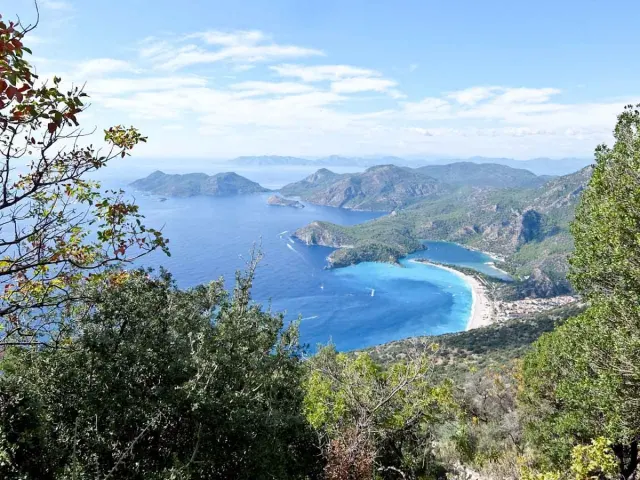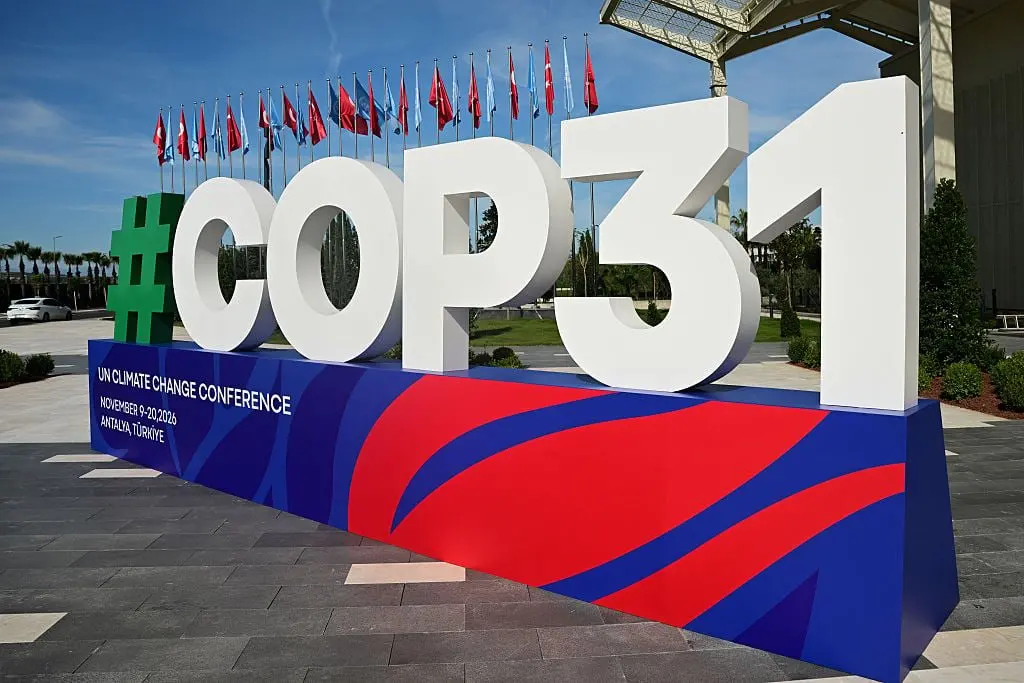
In November, the Turkish resort city of Antalya takes centre stage as host of COP31, the 31st annual United Nations climate conference. World leaders, negotiators, scientists and First Nations representatives will gather there for two weeks of climate diplomacy at a moment many describe as make-or-break for the Paris Agreement's goals.
The timing is awkward. A September report from the UN Environment Program concluded the world is on track to cross the 1.5°C warming threshold — the symbolic line in the sand of international climate policy. Still, there's progress to measure: since Paris was signed, projected end-of-century warming has dropped from as much as 4.8°C to roughly 2.4–2.6°C. The gap between ambition and delivery is what COP31 is meant to close.
The host arrangement is itself unusual. Türkiye holds the summit Presidency, while Australia steps into the newly created role of President of Negotiations, chairing the formal agenda and working with Pacific island nations to push their priorities to the centre of the process. No such shared leadership model has been tried before in the UN climate process, and its success could shape how future summits balance wealthy and lower-income countries' interests.
The headline policy to watch is the Global Electrification Goal: a pledge to lift electricity to 35 per cent of total final energy consumption by 2035, building on COP28's promises to triple renewables and double energy efficiency. The argument from advocates like Climateworks Centre CEO Anna Skarbek is that climate policy is now economic policy. The global green economy has already passed US$5 trillion and is projected to exceed US$7 trillion by 2030, according to World Economic Forum and BCG research. Countries that generate cheap clean electricity — Australia among them — stand to supply the minerals, technologies and low-emissions products that transition depends on.
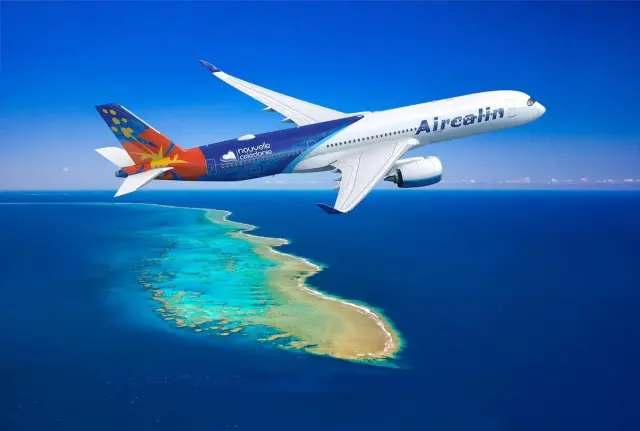
Why should a traveller care? Because the outcomes in Antalya will shape the places we visit. Electrified transport and cleaner energy mean better air quality in cities, quieter streets, and lower-cost infrastructure in the destinations dependent on tourism. And climate diplomacy touches travel directly: aviation and shipping emissions, reef and alpine ecosystems, and the viability of tourism economies in vulnerable regions like the Pacific, whose neighbours' futures are explicitly on the agenda here.
For Australians especially, there's a credibility test built in. The country has pledged emissions cuts of 62–70 per cent below 2005 levels by 2035, and its negotiating influence in Antalya depends on visible progress at home. Whether COP31 succeeds will be judged on whether delegates leave Turkey believing climate action delivers prosperity, not just emissions charts.
Antalya itself is no stranger to big international gatherings — it's a Mediterranean tourism hub used to hosting millions of visitors a year. For a fortnight next month, it hosts the conversation that will, in no small part, determine what travel and the destinations we love look like in the decades ahead.
Story via Australian Geographic.