Since March 2022, El Salvador has been operating under a rolling state of exception — an emergency regime originally approved for 30 days and extended repeatedly ever since. It was triggered by a brutal weekend of gang violence that peaked on 26 March 2022 with 62 homicides in a single day. President Nayib Bukele's government asked for special powers to go after the MS-13 and Barrio 18 gangs, and the Legislative Assembly delivered.
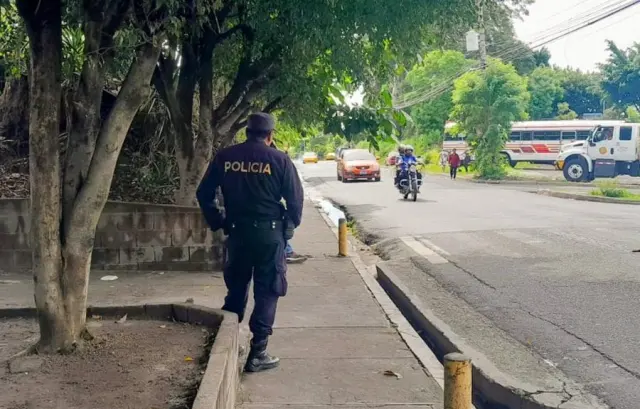
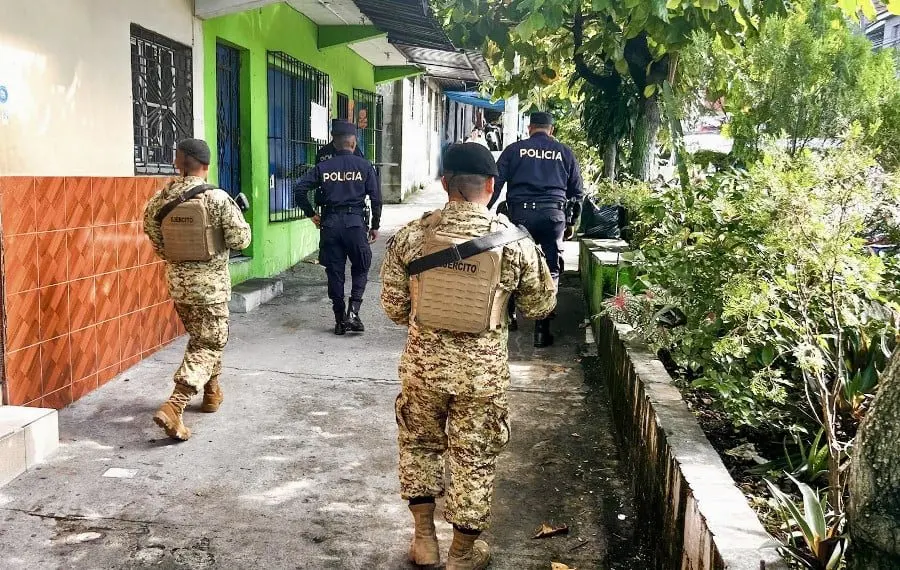
The practical effect: certain constitutional protections are suspended. Detainees don't have to be brought before a judge within the usual 72 hours, communication privacy is limited, and access to legal defence is restricted. Police and the military patrol neighbourhoods, run checkpoints and make arrests at scale — more than 93,000 people had been detained by 2026, many on charges of unlawful association. The government credits the policy with transforming a country that once had one of the world's worst murder rates: from around 105 homicides per 100,000 people in 2015 down to a reported 1.9 in 2024 and roughly 1.3 in 2025. Critics note the decline started before the emergency powers, and question the official counting methods.
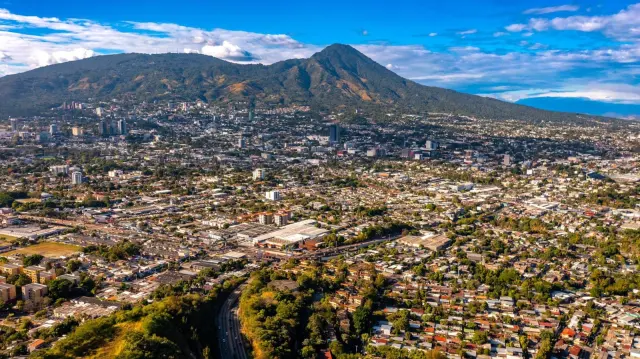
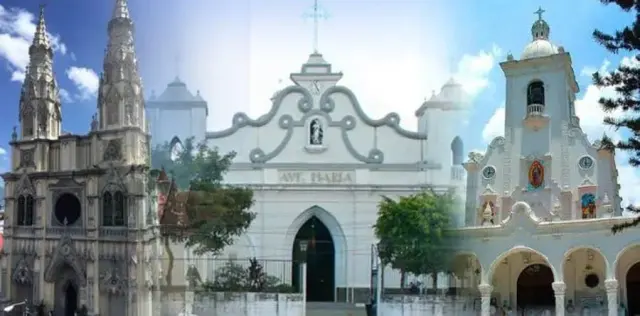
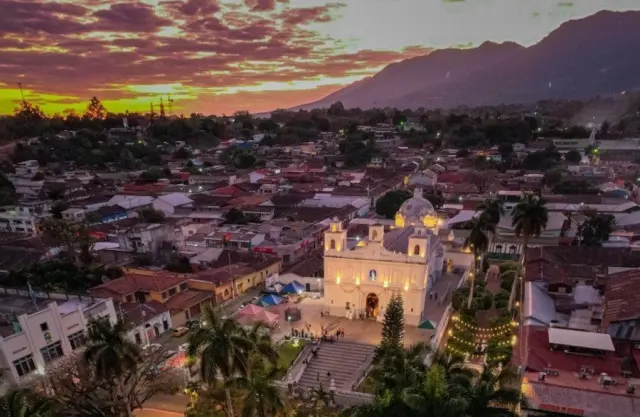
For everyday Salvadorans, the change is tangible. Communities that lived under gang control and extortion now move more freely, small businesses no longer pay protection money, and areas once avoided are open to residents and visitors alike. That's a big part of why the country has reappeared on travel radars, with surfing beaches, volcano hikes and colonial towns like Suchitoto drawing growing numbers.
There's another side, though. Human rights organisations — Amnesty International, Human Rights Watch and the Inter-American Commission on Human Rights — have documented arbitrary detentions, mistreatment, overcrowded prisons and due process violations. The Inter-American Commission reported in April 2026 that at least 500 people had died in state custody since the regime began. Amnesty has suggested the patterns could amount to crimes against humanity, claims the Salvadoran government firmly rejects. Despite international criticism, domestic support for Bukele's security policy remains high, precisely because so many people lived for years under gang intimidation.
Why does this matter if you're planning a trip? El Salvador is now widely described as one of Central America's safer destinations, and street-level risk from gangs has dropped dramatically. But the legal environment is unusual: heavy military and police presence in public spaces is normal, and foreign travellers should carry ID, cooperate politely at checkpoints and stay informed about local news, since the rules of the emergency regime can affect anyone interacting with authorities. The policy also shapes the country's image — some visitors are drawn by the novelty of the turnaround, while others weigh the human rights debate before booking.
The bottom line: El Salvador's dramatic security shift is real and widely felt, but it rests on extraordinary powers that keep being renewed. Travellers in 2026 will find a country notably calmer than its old reputation — and a national debate about the cost of that calm that's very much still running.