The United States is still struggling to win back international visitors, according to fresh figures from the National Travel and Tourism Office. Overseas arrivals — excluding Canada and Mexico — were down 5.7% year-on-year to September, with Western Europe, the US's most valuable overseas market, down 8.7% for the year so far. A hoped-for recovery in 2026 now looks shaky.
The decline began in early 2025 and has been widely nicknamed the "Trump Slump." That year, the US welcomed four million fewer foreign visitors than in 2024 — 68 million versus 72 million — and tourist spending dropped by $8 billion, the first contraction since the pandemic. The US Travel Association has warned that hundreds of thousands of American jobs are on the line, blaming what it calls "self-inflicted" damage: high visa fees, tougher entry rules and hostile rhetoric, compounded by social media boycott campaigns.
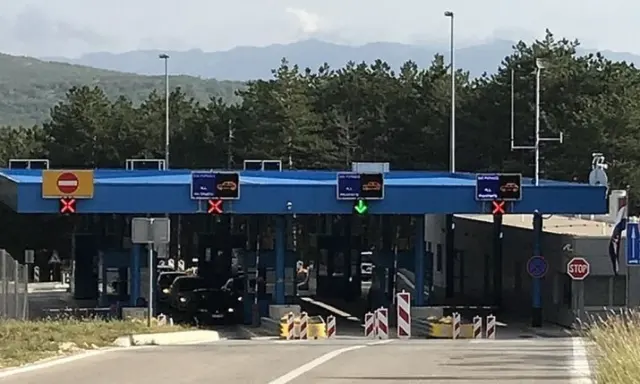
Border stories have done real damage too. Reports of travellers, including elderly tourists on long-planned trips, being detained for weeks despite valid paperwork prompted several governments to issue travel advisories about US border treatment. A strong dollar hasn't helped, pushing cost-conscious travellers towards destinations offering better value.
There was hope that co-hosting the men's FIFA World Cup in 2026, alongside Mexico and Canada, would turn things around. June arrivals did tick up 2.7% against June 2025, hitting 5.4 million, and the NTTO had forecast a 3.2% rise for the full year. September's weak numbers have put that prediction in doubt.
For travellers, the dynamics are interesting. Hotels and operators in New York, Las Vegas and other big-name destinations are cutting prices to lure people back, so bargains are genuinely available. Meanwhile, some airlines have shifted schedules away from US cities in response to soft demand, which can mean fewer flight options and higher fares on certain routes — worth booking early if you're set on a US trip.
Canadians, prompted by political calls to push back against US tariffs, remain the most committed non-visitors, and that pattern looks entrenched. Whether the rest of the world follows them back through American airports in 2027 is the industry's big question.