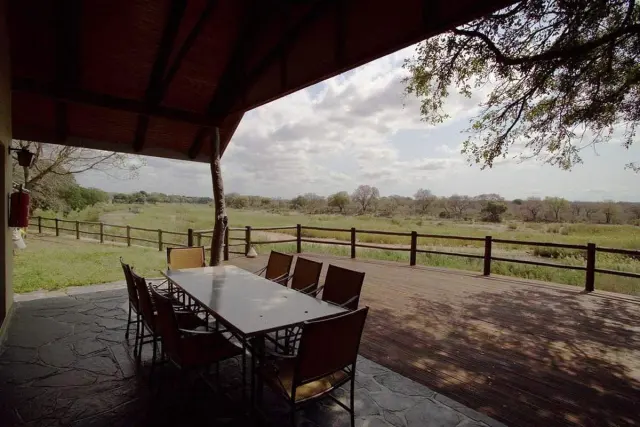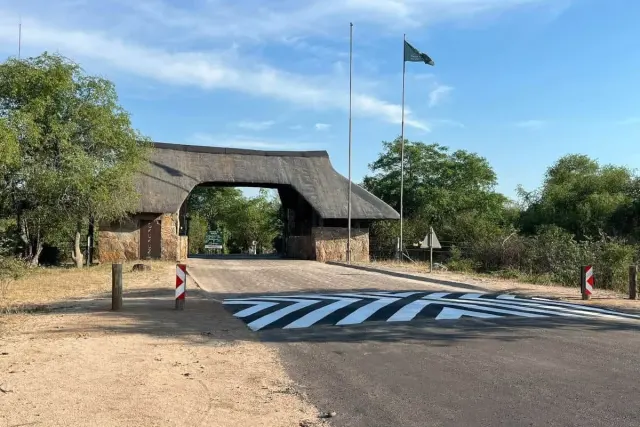
Three days into a road trip, and your digestion has quietly stopped working. It's a familiar scenario for anyone on a long drive through South Africa's Karoo or a camping stint near Kruger: rusks and coffee at sunrise, biltong in the car, braai meat at night, and a shared bush toilet you'd rather avoid. Result: a tight, heavy belly and no bathroom schedule to speak of.
Travel constipation is exactly what it sounds like — your usual routine disappears, and with it your bowel rhythm. The triggers are well documented: disrupted schedules, not drinking enough water, too little fibre, long hours of sitting, stress, and ignoring the urge to go because the facilities are unappealing. Swap your normal diet for padkos and cake, add 32-degree hiking heat, and things grind to a halt.
The tempting quick fix — a detox or slimming tea — is the wrong answer. The marketing claims stool is a build-up of toxins that needs flushing, but doctors see it differently: stool is ordinary metabolic waste, not a toxin stockpile. Most cleanse products are really stimulant laxatives such as senna in attractive packaging, and reviews link laxative-based cleanses to electrolyte imbalance, kidney injury and cardiovascular problems, with no proven benefit. That's a serious risk when you're sweating on a trail hours from a clinic. The only evidence-backed reason to fully empty your colon is colonoscopy prep, done under medical supervision. If you're genuinely stuck, ask a pharmacist about a suitable over-the-counter option instead of improvising.
What actually works is unglamorous. Adults need roughly 25 to 35 grams of fibre daily, so pack fruit, nuts, seeds, oats, veg sticks and wholegrain crackers in the cooler box — and buy roadside guavas, oranges and greens like morogo as you go. Fibre needs water to work properly: aim for 1.5 to 3 litres of fluid a day, more in the heat, and build fibre up gradually rather than all at once. Don't let braai meat crowd everything else off the plate.
Movement matters too. Moderate exercise — walking, cycling or yoga for 20 to 30 minutes, five days a week — helps get the bowel moving, and a sunrise walk to the viewpoint absolutely counts. When the urge arrives, respond to it; holding it in makes things worse. A warm drink in the morning can help kick-start things, and sticking to familiar meal and sleep times where possible keeps your gut on schedule.
Most cases settle within a day or two of returning to normal life. See a doctor if constipation lasts more than three weeks, or if there's rectal bleeding, blood in or black stools, or unexplained weight loss. Seek urgent help for severe abdominal pain, vomiting, fever, or being unable to pass gas or stool — in a remote area, head straight to the nearest clinic rather than waiting out the trip.
Practical takeaway: your gut doesn't need scrubbing, it needs water, plants, a daily walk and a decent toilet kit (loo paper, trowel, sanitiser, headlamp). Save the cleanse for the braai grid.