Kruger National Park covers nearly two million hectares, and picking where to sleep can feel harder than choosing what to pack. The park's 12 main rest camps are the obvious starting point for first-timers: they come with shops, restaurants, fuel stations and swimming pools, plus easy access to the classic self-drive routes. Here's how the best-known options differ.
Skukuza is the park's largest camp and its headquarters, so it's the one-stop shop for everything: a bank, deli, garage, restaurants and pools, all on the banks of the Sabie River in the wildlife-rich south. From there, popular routes run towards Lower Sabie and Pretoriuskop.
Lower Sabie, also in the south, is the scenic pick. Its restaurant deck sits above the Sabie River, and the H4-1 road linking it to Skukuza is famous for elephants, buffalo, hippos and predators. Be warned: it's popular, so book well ahead.
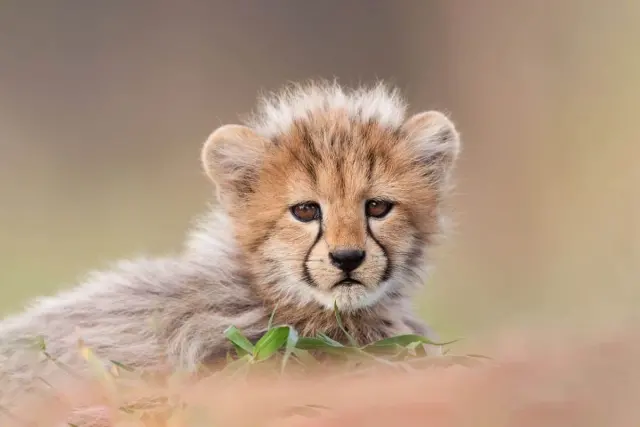
If big cats are the priority, head to Satara in central Kruger. Open savannah around the camp draws grazing herds, and the lions follow. The S100 and the roads towards N'wanetsi are the routes to drive for a chance at cheetah and leopard too.
Berg-en-Dal, in the south-west near Malelane Gate, suits anyone coming in from the N4 or squeezing Kruger into a short trip. Rocky hills and mixed woodland around the camp offer rhino, elephant, buffalo and predator sightings along the Matjulu Loop.
Pretoriuskop, one of the park's oldest camps, sits in the granite hills of the south-west and works well for travellers entering through Numbi or Phabeni gates. It's a quieter, historic alternative to the riverfront camps.
Orpen, near Orpen Gate in central Kruger, is a smaller base on open plains with cheetah, lion, elephant, rhino and buffalo nearby. It has fewer facilities than the big camps, which is part of its appeal.
How to choose: match the camp to your priorities — Skukuza for the fullest facilities, Lower Sabie for river views, Satara for predators, Berg-en-Dal for easy southern access, Pretoriuskop for a quieter stay, Orpen for the central plains. With several nights to spare, splitting a stay between two camps lets you cover different regions without long daily drives. For a genuine first visit, though, one well-placed base and a relaxed pace beats trying to tick off the whole park.
Why it matters: self-drive is one of the cheapest ways to experience a Big Five safari, and Kruger's rest camps make it accessible even without a guide or a lodge budget. Picking the right camp shapes what you'll see before you even start the engine.