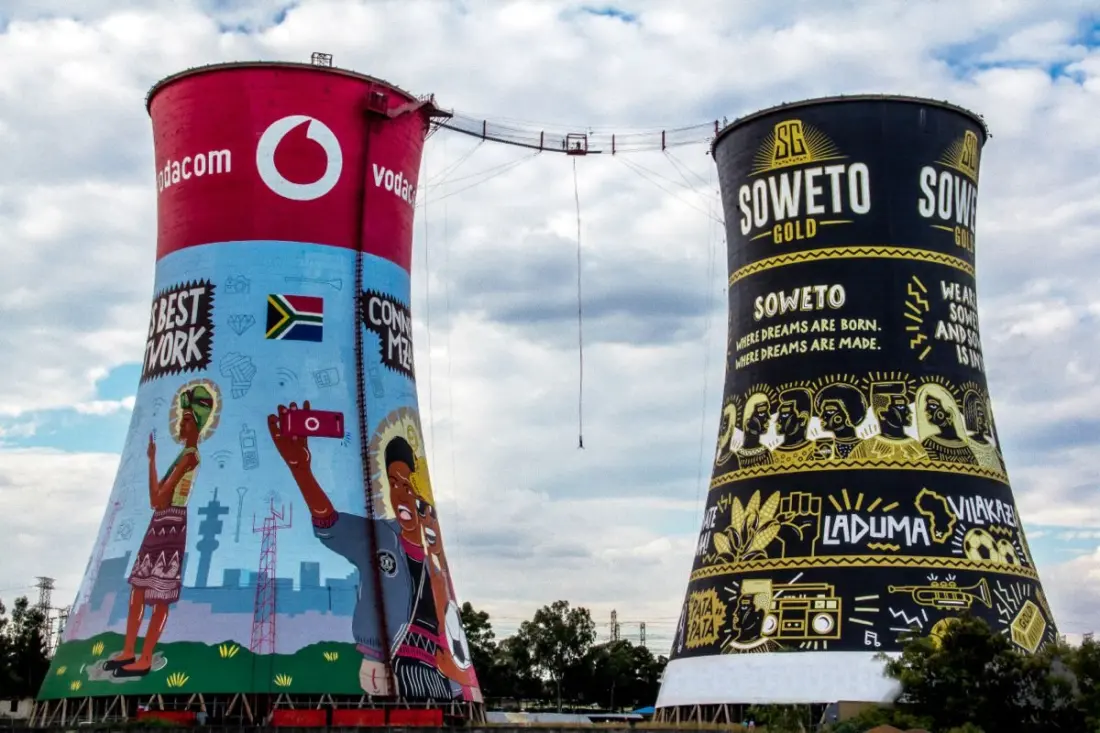
Long before a visitor reaches Soweto's heritage sites or the Drakensberg's hiking trails, the holiday has already started — at the airport car park, on the road there, at the taxi rank, under a streetlight that either works or doesn't. That's the argument tourism officials in Gauteng and KwaZulu-Natal are making to newly elected municipal leaders: tourism isn't won with glossy campaigns, it's won with functioning councils.
Barba Gaoganediwe, spokesperson for the Gauteng Tourism Authority, puts it plainly — every tourism activity in South Africa happens on local ground, so municipalities are not bystanders but core participants in the visitor economy. His point is that what tourists want isn't exotic: it's the same clean streets, reliable transport and safe neighbourhoods residents want. A liveable city is, almost by definition, a visitable one.
KwaZulu-Natal's economic development department agrees, and goes further: tourism is one of the most underfunded functions in local government, often sitting in strategy documents without budgets or staff behind it. The province flags poor roads, unreliable water supply and patchy maintenance of public infrastructure as real barriers — not just to visitors, but to investors deciding whether a destination is worth backing at all.
Safety comes up repeatedly. Keamogetse Seletisha, co-founder of tour operator QuadVentures, calls it "the beating heart of every destination": if visitors don't feel secure, they won't explore, spend, or recommend. His suggested fix involves better lighting, firmer by-law enforcement and genuine collaboration with police.
There's a small-business angle too. Entrepreneurs running tours, guesthouses and guiding services often get tangled in licence and compliance paperwork, and some simply give up. Seletisha argues municipalities should treat compliance as a trust-builder — accredited guides and licensed vehicles reassure visitors — rather than a bureaucratic wall. KZN is also pushing for tourism-specific by-laws and wants rural communities, working with traditional leaders, to become active players through Zulu cultural and heritage tourism.
Two practical ideas stand out for travellers. Gauteng's Champion Host Programme trains residents to act as ambassadors for their own neighbourhoods — pointing visitors to local restaurants, attractions and hidden gems — which should mean warmer, better-informed welcomes on the ground. And Seletisha's test for officials is a useful mental check for trip planning: would anything about the journey — transport, signage, cleanliness, access — make you regret booking?
Why should a traveller care? Because these two provinces already have the big-ticket stuff: Joburg's energy, Soweto's history, the Cradle of Humankind, Durban's beaches, the Drakensberg, battlefields and Zulu heritage. What will shape your actual experience is the everyday layer around the attractions. The thinking here is that visitors are really just temporary residents, and destinations that improve daily life for locals are the ones you'll want to return to. Watch how Gauteng and KZN's councils deliver on services and safety over the coming term — it's a fair signal of how smooth your next South African trip will feel.
— Nomad Africa