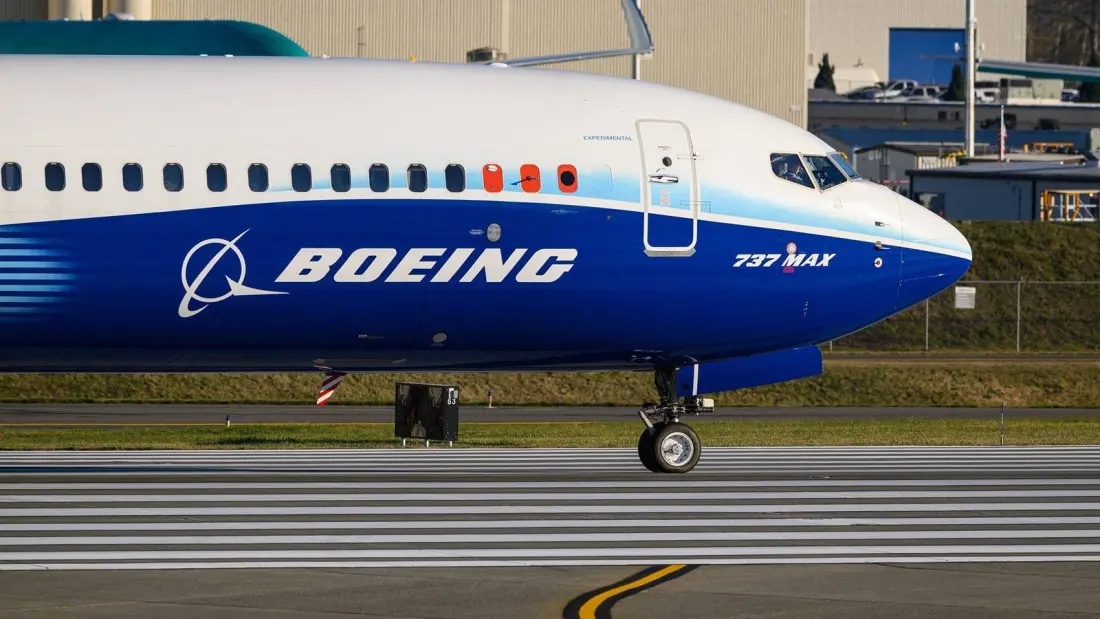
The last and largest member of Boeing's 737 MAX family is finally close to takeoff. On Friday, the FAA's Corrective Action Review Board determined that a software glitch in certain 737 MAX flight computers was not a safety concern, removing the last big obstacle to certifying the long-delayed MAX 10. Type certification is now expected within weeks, with the first deliveries pencilled in for 2027.
The glitch concerned the U.14 software load and how the aircraft behaves after a missed approach or go-around, when the plane deviates from its preprogrammed flight path. Boeing flagged the issue to the FAA in August, worried it could complicate certain landing procedures. In the end, the regulator's panel of safety experts concluded there was nothing to fix urgently: pilots retain full control of the aircraft in these situations, and the cockpit indications are, in the FAA's words, clear and unambiguous. A special bulletin will still go out to airlines explaining how to recognise and respond to the issue, and operators can revert to an older software version in the meantime. No US airlines were flying the affected software.
There's a slightly awkward footnote here: Boeing actually knew about the problem for two years. Canadian carrier WestJet flagged it during a test flight back in November 2024, and Boeing initially judged it a non-issue for the same reason the FAA did — pilots are trained to fly the aircraft manually through a go-around. It took additional operational feedback this year to prompt a formal review.
So what's actually arriving? The MAX 10 is the stretched, high-capacity version of the MAX — at just under 44 metres long, it's about 2.5 metres longer than the MAX 9 and the longest single-aisle jet Boeing has built. It seats 185 to 210 passengers in a typical layout and up to 230 in an all-economy configuration. Its range of around 3,100 nautical miles (5,740 km) is the shortest in the MAX family, a trade-off for the extra weight, and it uses a clever semi-levered main landing gear that extends during takeoff to reduce the risk of tail strikes.
The type was originally meant to enter commercial service in 2020, so its arrival will cap more than six years of delays, much of that fallout from the broader MAX safety saga. Big orders sit with United Airlines, Ryanair, Alaska Airlines, American Airlines and Delta, meaning this plane will become a familiar sight on short and medium-haul routes across North America and Europe.
Why should a holidaymaker care? Mostly because the MAX 10 is designed precisely for the dense, high-frequency routes leisure travellers fly — think Ryanair's European network or United's domestic trunk routes. Certification means airlines can start planning the fleet changes that will shape timetables and fares later this decade. For nervous flyers, the FAA's ruling is another signal that the aircraft is being scrutinised heavily before it carries anyone.
Story via Simple Flying.