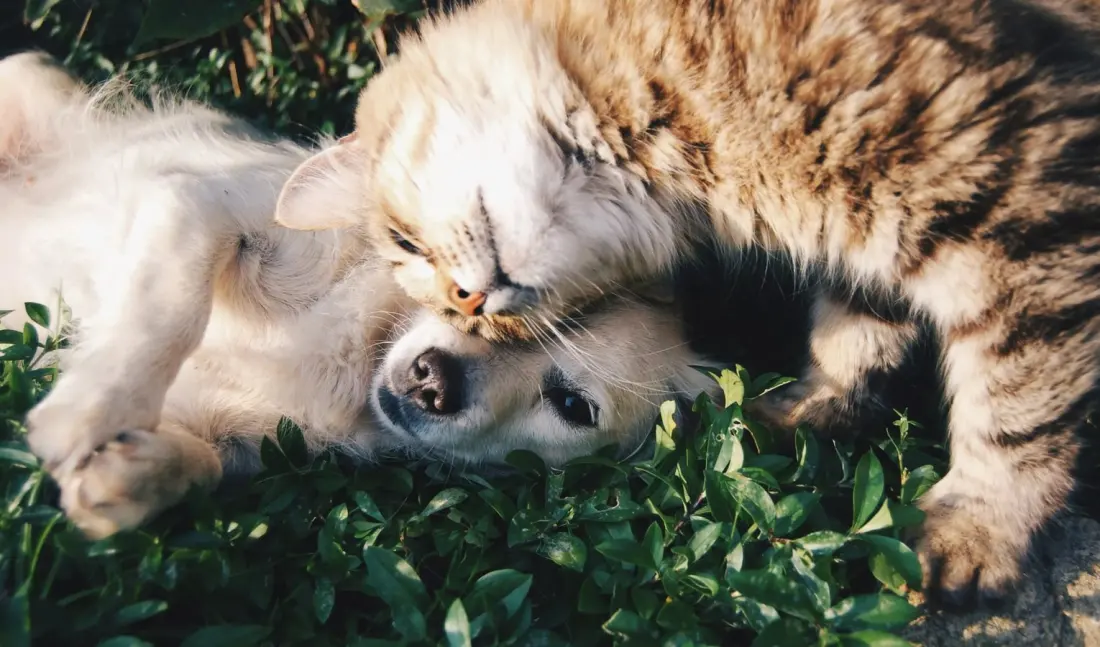
World Animal Day falls on 4 October, and this year global welfare organisation FOUR PAWS is running it under the theme 'See the World Through Their Eyes' — a nudge to consider how everyday human choices land on the animals affected by them.
The campaign is aimed squarely at South Africa, where animal shelters continue to absorb abandoned and neglected pets, farm animal welfare remains a live concern, and wild animals face pressure from habitat loss, captivity and entertainment exploitation. FOUR PAWS South Africa director Fiona Miles frames the goal simply: treat animals as individuals with physical, psychological and behavioural needs, not just as part of the scenery.
The organisation's point is that welfare goes beyond preventing obvious cruelty. A dog needs food, shelter, safety and companionship. Farm animals need space, humane handling and the chance to behave naturally. Wild animals need something different again — freedom from exploitation and the ability to live as they would in the wild. There is no one-size-fits-all definition of good care.
The appeal is deliberately practical rather than preachy. At home, that means adopting from shelters instead of buying, sterilising pets to curb unwanted litters, and donating or volunteering with local welfare organisations. In the shops and kitchen, it means considering plant-based products. And in the outdoors — the part most relevant to travellers — it means skipping captive wild-animal interactions and choosing ethical wildlife experiences instead.
FOUR PAWS also wants the message passed to the next generation. Teaching children to recognise when an animal is distressed, and that animals have needs beyond being petted or photographed, shapes how they treat animals for life.
Why should a traveller care? South Africa is one of the world's great wildlife destinations, and visitor money directly shapes what kind of animal tourism survives. Walking with lion cubs, riding elephants and similar activities usually involve captivity, breeding and training that welfare experts argue are exploitative. Choosing accredited reserves and genuine conservation operations over photo-prop attractions is one of the clearest ways a visitor can vote with their wallet.
World Animal Day 2026 doesn't demand anyone become an activist. Its core ask is a single change in question: instead of only asking whether something is convenient or fun for us, ask whether it's good for the animal too. Compassion, in this framing, starts with attention — to the dog in the yard, the livestock in the food chain and the wildlife just beyond the city edge. The piece was originally published via Cape {town} Etc and shared by Getaway South Africa.