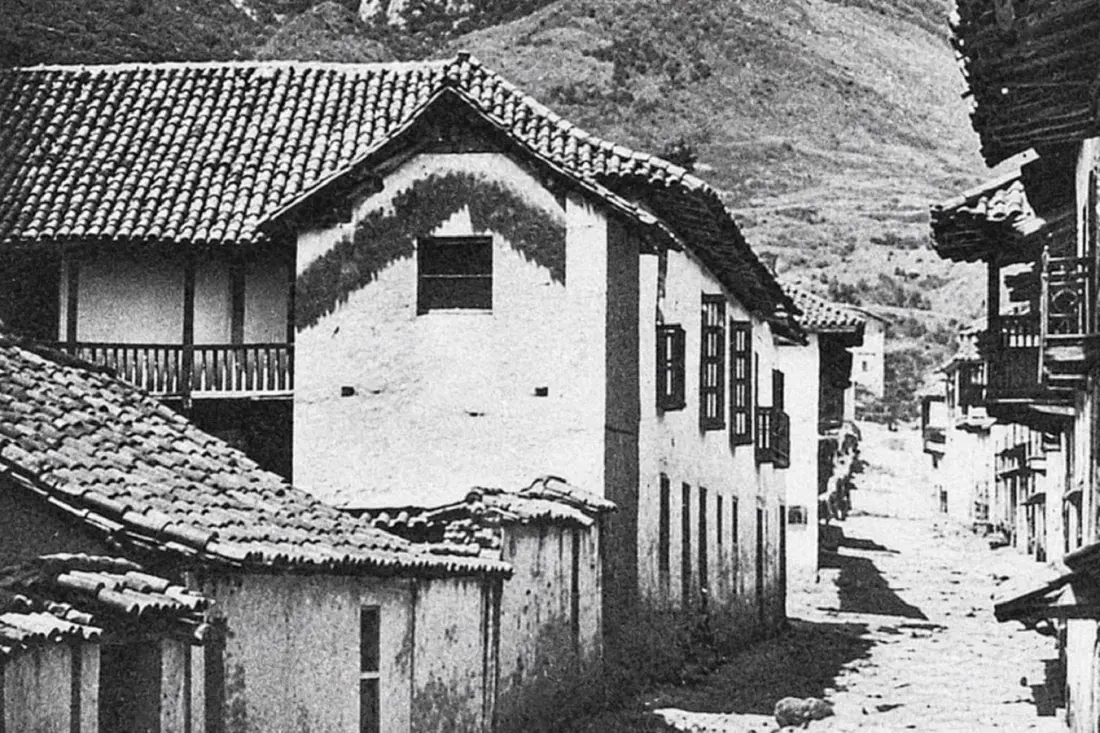
A small metal plate, barely bigger than a sheet of paper, just sold in Paris for 300,800 euros (roughly US$331,600) at a Christie's auction on November 14. The daguerreotype, titled Calle del Observatorio, is the oldest known photograph of Bogotá — and it blew past its 60,000-80,000 euro estimate by more than four times.
The image was made in 1842 by Jean-Baptiste Louis Gros, Baron Gros, a French diplomat who arrived in what was then the Republic of New Granada (today's Colombia and Panama). Among his official duties: keeping an eye on French interests in a possible canal across the Isthmus of Panama. Photography was his side passion, and he shot this street scene just three years after the daguerreotype process was unveiled in France in 1839.
What the plate shows is recognisably Bogotá even now. A cobbled street lined with colonial buildings, wooden balconies, tiled roofs, and the Andes' eastern hills in the background — the same ridgeline that frames the city today. That street is modern-day Calle 9, a few blocks from Bolívar Square in the historic La Candelaria district. The odd thing is how empty it looks: the exposure took 47 seconds, so anyone walking through simply vanished from the frame. Gros even noted the details on the back of the plate — the year, the 11 a.m. shooting time, and the exposure length — and used a mirror to fix the left-right reversal typical of early daguerreotypes.
Christie's called it one of the earliest known photographs of Colombia and among the first urban daguerreotypes made outside Europe and the United States, which explains the fierce bidding. Because the daguerreotype process produces a single image on silver-coated copper with no negative, there are no copies — this one plate is it. Before the auction it belonged to Parisian collector André Duchesne and later Roger Therond, the former Paris Match editor, and it had been shown at the Museum of Decorative Arts and the European House of Photography in Paris.
For travellers, the appeal is easy to see. La Candelaria remains Bogotá's most atmospheric quarter, full of the same colonial architecture Gros captured, plus museums, street art and café terraces. The Museo del Oro and Botero Museum sit nearby, and the hills in the photo's backdrop are now hiked or cable-carred up via Monserrate for the classic city view. Standing on Calle 9, you're looking at a streetscape that's survived nearly two centuries — the oldest surviving portrait of it just became a very expensive collector's prize.