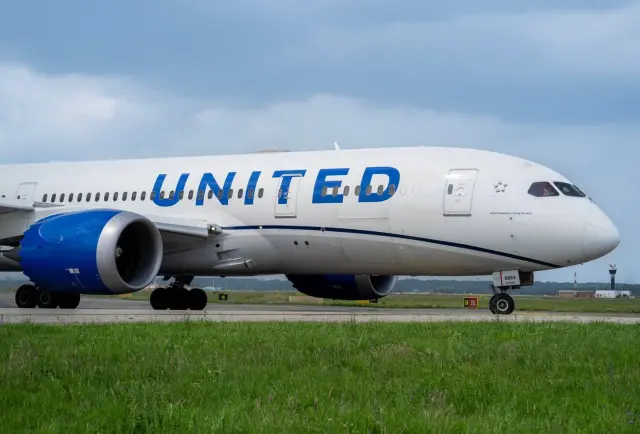
United Airlines has quietly crossed a milestone that frequent flyers actually care about: more than half of its daily flights now carry SpaceX's Starlink internet. The rollout should reach roughly 64% by the end of 2026, with the whole fleet done by the end of 2027 — remarkably fast for an airline with over 1,000 mainline jets plus a large regional fleet.
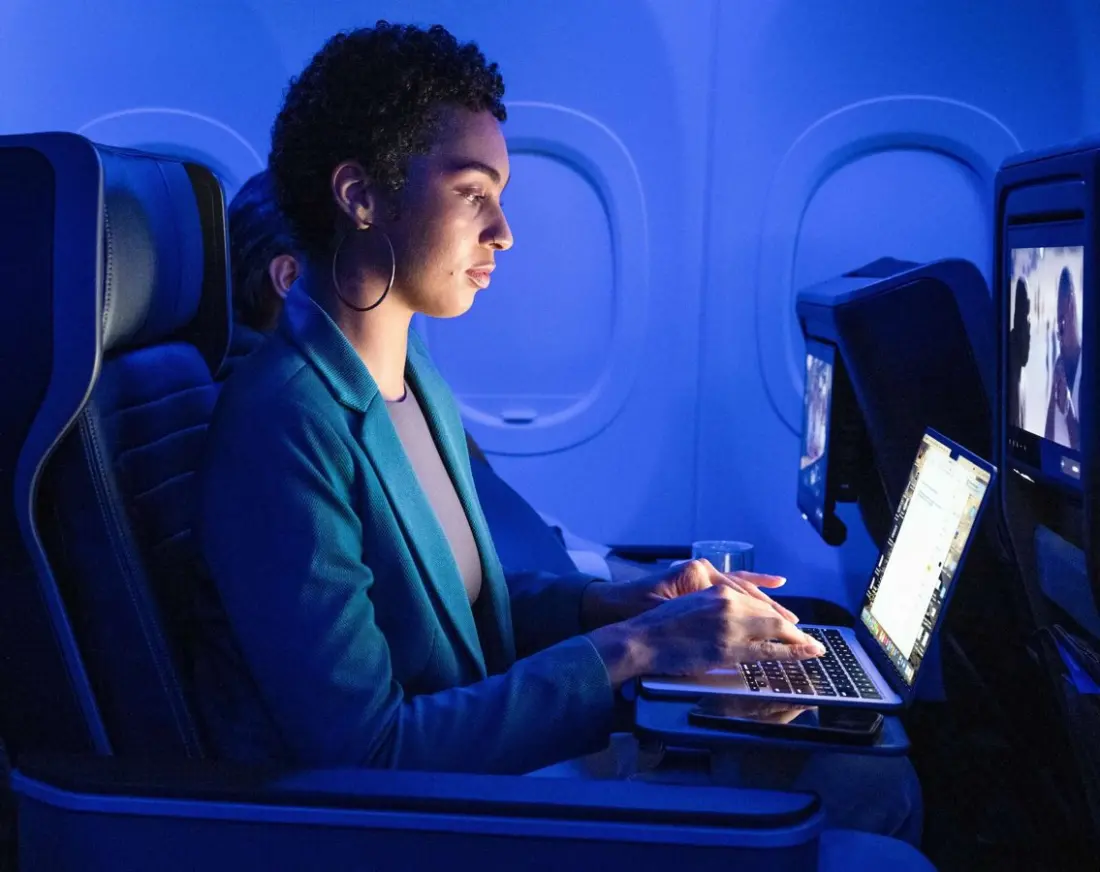
Why does this matter to you? Starlink isn't just marginally better inflight Wi-Fi. Speeds are close to what you get on the ground, latency is low, big files transfer, and the service handles multiple devices at once. It's free for MileagePlus members, which makes a few productive hours in the air a genuine alternative to working from a hotel. Once you've flown with it, going back to laggy cabin internet is painful — and many travellers, myself included, will happily pick a slightly less convenient departure if it means a connected flight.
There's a catch, though: United generally doesn't confirm Starlink on a specific flight until three days before departure. The airline has a Starlink tracker, but it's built for checking a trip you've already booked, not for comparing flights months out. The writer argues United should show an expected Starlink indicator during booking — clearly labelled as subject to aircraft swaps — and it's hard to disagree. As it stands, the feature that could win your booking is invisible at the moment you're choosing.
So which aircraft give you the best odds? Every two-cabin regional jet in United's fleet now has Starlink, so Bombardier CRJ-550 and Embraer E175 flights are safe bets. Among mainline aircraft, the Airbus A321neo leads at 88% equipped, followed by the 737-800 at 77% and the 737-900 at 67%. Steer clear of the A319, A320 and 757-300 if connectivity matters — none have Starlink yet, and the older Panasonic systems on some of those jets often don't work at all. Widebody flyers are out of luck for now: only around 2% of 787s and 5% of 777s are equipped, and no 767s at all.
The competitive angle is real. Delta is betting on Amazon Leo for its next-generation internet, but installations don't start until 2028 — and Amazon's network is still being built, as a recent rocket failure that destroyed 40 satellites demonstrated. Delta's existing free Wi-Fi is usable, but Starlink outperforms it easily. If United finishes its rollout first, it could turn a technical edge into a loyalty advantage: travellers who get hooked on working inflight start booking around it.
Practical takeaway: if Wi-Fi drives your flight choice on United, book regional jets, A321neos or 737-800s, check the Starlink tracker a few days out, and treat widebody routes as a coin toss for now.