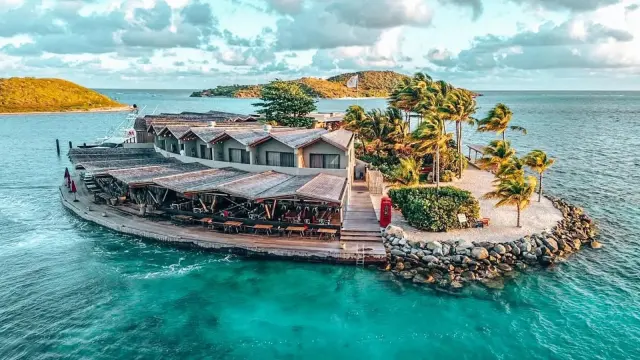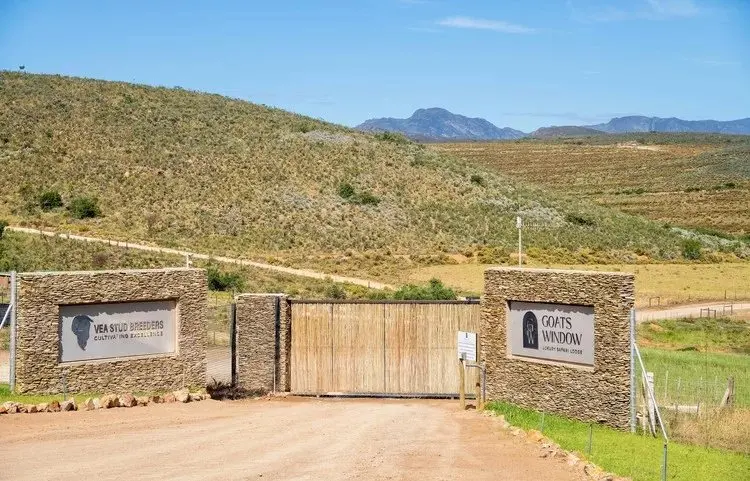
A glossy safari lodge in the Cape Winelands has become an expensive cautionary tale. Goats Window, a 23-unit luxury development on the Brakkefontein farm about 11km south of Bonnievale, was built without the environmental authorisation required by law — and now its owner, VEA Group Holdings (Pty) Ltd, has pleaded guilty and agreed to pay up.
Under a plea and sentence deal finalised in the Bonnievale Regional Court on 16 October, the company was fined R10-million, suspended for five years on condition that R5-million goes to anti-poaching non-profit Stop Rhino Poaching in five R1-million instalments. It also paid a separate R1.75-million administrative fine to kick off a retrospective approval application to the Department of Forestry, Fisheries and the Environment. The department says it is the first NEMA conviction it has been involved in where a court-ordered payment went to the rhino conservation group.
What went wrong? Construction started on 6 June 2024 and finished by April 2025, but two of the activities involved are "listed activities" under the National Environmental Management Act, meaning they need assessment and authorisation before a spade hits the ground. First, the lodge sits inside the Riviersonderend Mountain Catchment Area, a declared protected area where any tourism facility sleeping 15 or more people needs approval. Second, the developers cleared 4,181 square metres of endangered Breede Shale renosterveld — a threshold of just 300 square metres triggers the requirement.
The court documents pull no punches. The company ignored a NEMA notice from the department and a cease-work order from Langeberg Municipality, kept building, and stood to profit commercially from the development — factors that pushed the fine higher. The catchment's importance for water security and the permanent habitat disturbance were also cited. On the other side of the scales: a first offence, a guilty plea, job creation for the Bonnievale area, and the group's roughly R200-million annual South African tax bill.
Four appellants, including local landowners and the municipality, argued the administrative fine was too lenient, but the department dismissed the appeals. The VEA Group's own paperwork values the finished lodge at around R50-million, with expected annual income of R12-million.
The irony is hard to miss: the company's website bills Goats Window as its "flagship estate", promising eco-luxury, wildlife encounters and "regenerative living". For now, the site carries a notice that the lodge is temporarily closed until further notice, and VEA says it hopes to reopen once regulatory approvals are secured.
For travellers, the takeaway is practical. If you're booking an "eco" lodge — especially in ecologically sensitive areas like mountain catchments or fynbos habitats — it's worth checking that the property has its environmental and land-use paperwork in order. Closures like this one can leave guests with cancelled trips and refunds to chase. And for the hospitality industry, this case shows South African authorities are willing to prosecute high-end developments that build first and ask permission later, with penalties that now channel money directly into conservation.
This article was originally reported by GroundUp and published by Getaway South Africa.