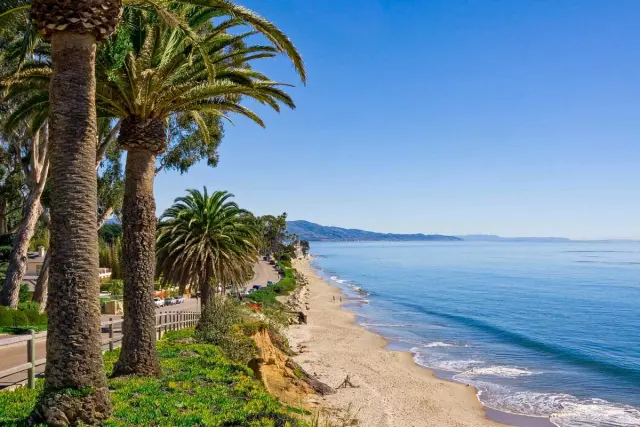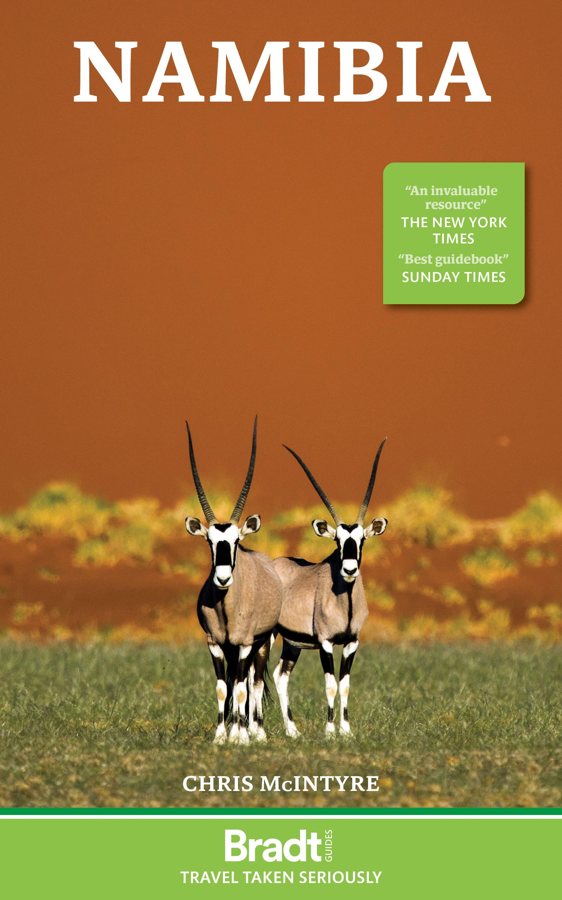
No palm-fringed beaches, no warm surf — and it doesn't matter. Namibia's appeal is wilderness on a scale few countries can match: the world's oldest desert, empty canyons, a fog-lashed coast and wildlife that has evolved to survive where almost nothing else can.
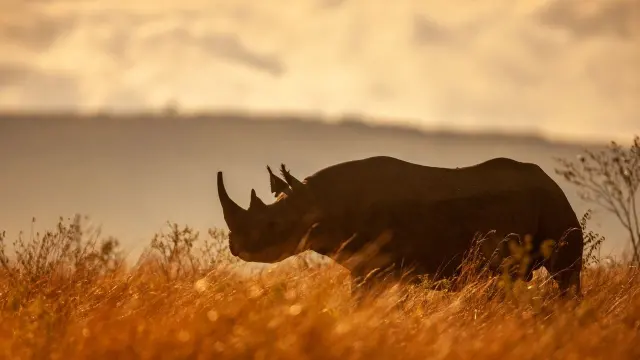
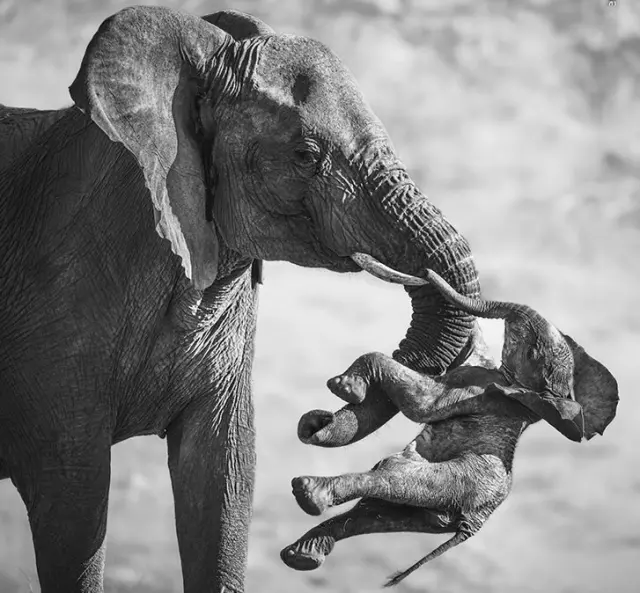
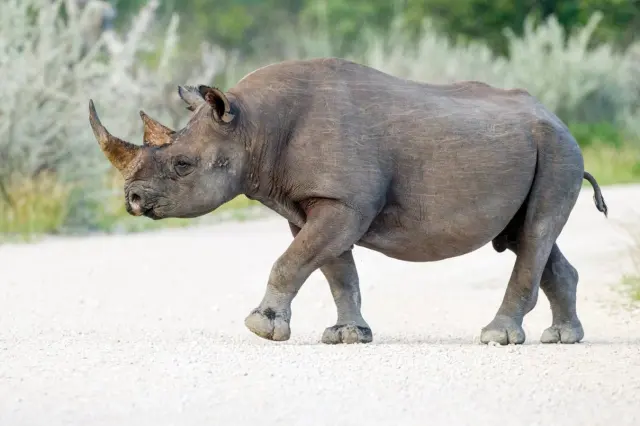
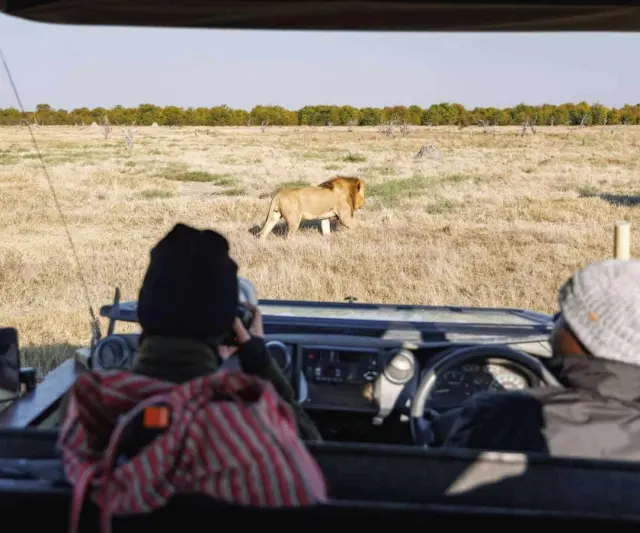
Start with the safari case. Etosha National Park — a silvery salt pan more than three times the size of Greater London, ringed by bush — delivers huge dry-season game gatherings against startling scenery. Namibia is also the world's most successful protector of black rhino and holds Africa's largest cheetah population, all without the safari-vehicle crowds of better-known neighbours. Desert-adapted elephants and endemic plants like the strange welwitschia make even the barren bits fascinating.
The country's headline sights each justify the long drives. At Sossusvlei and Sesriem, apricot dunes with knife-edge ridges glow at sunrise — climb early or take a balloon. Twyfelfontein, in Damaraland's red-granite hills, is a UNESCO site holding thousands of ancient hunter-gatherer engravings of giraffe, rhino and elephant. Fish River Canyon, 161km long and nearly 550m deep, rivals anything outside Arizona's Grand Canyon, yet you can sit on its rim in near solitude — fit hikers can book the 80–90km river hike months ahead through NWR.
For atmosphere, few places beat Kolmanskop near Lüderitz, a diamond-boom town abandoned in 1956 (the last families gave up in 1959) whose grand concert hall and bowling alley are being slowly swallowed by dunes. North of Swakopmund, the C34 hugs the Skeleton Coast — a graveyard for ships lost in fog and shifting sandbanks — before the dune fields take over. Swakopmund itself, a tidy old German town with palm-lined streets, doubles as Namibia's resort and adventure hub: sandboarding, dune biking and parachuting are all on the menu.
Two experiences round out the picture. The lush Zambezi region (the old Caprivi Strip) in the northeast feels like neighbouring Botswana or Zambia, with hippos, crocodiles and buffalo in thick riverine bush. And in Kaokoland, guided visits to Himba villages offer insight into a semi-nomadic, cattle-centred culture — the women's red-ochre dress is iconic, so go with a respectful, reputable operator.
Who is this for? Independent-minded travellers happy to cover big distances on good-but-empty roads, photographers chasing light and space, and safari-goers who want rhinos and cheetahs without a convoy of minibuses. If your holiday needs nightlife or a beach, look elsewhere. If it needs horizon, this is the one.