South Africa's tourism story isn't only told at airports. New Stats SA figures for September 2026 show that three-quarters of overnight tourists — 627,230 of 835,380 — arrived by road, and the busiest single entry point in the entire country wasn't OR Tambo. It was a land border.
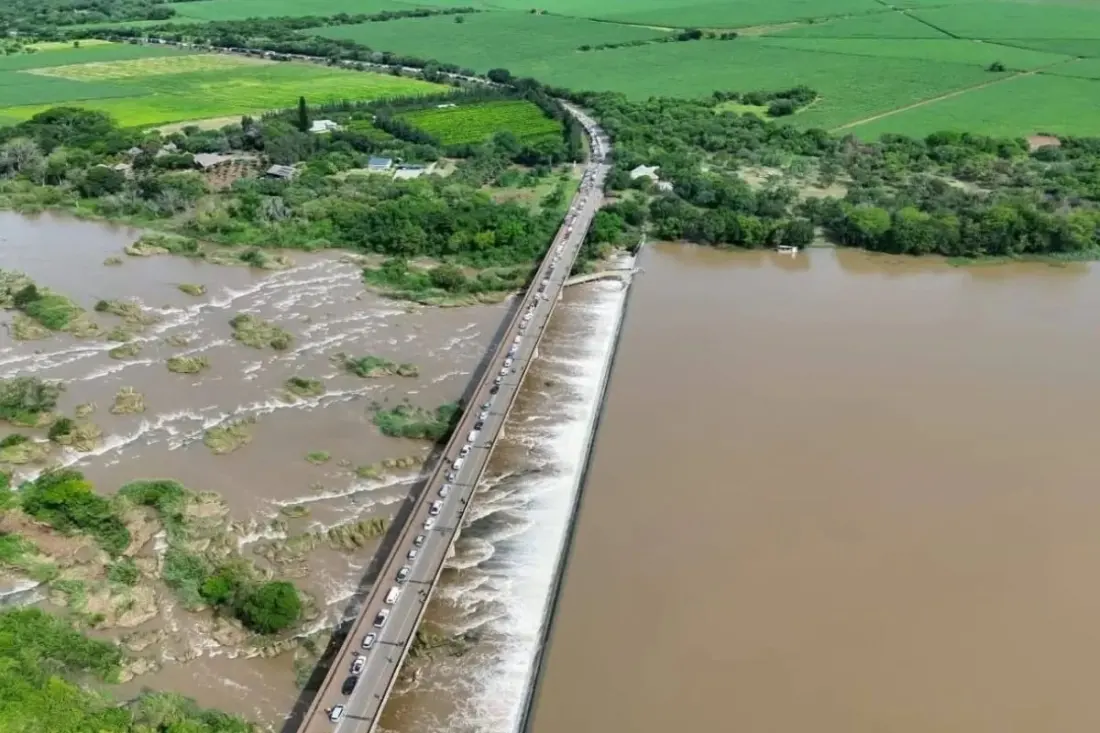
The Lebombo crossing on the Mozambique frontier handled 180,429 tourist arrivals in September, a figure that comfortably beats OR Tambo International's 144,132 air arrivals and dwarfs Cape Town International's 61,832. Lebombo was also up 3.8% year on year, and its dominance lines up with Mozambique being South Africa's single biggest source of tourists that month, at 182,751 visitors.
Second place went to Beit Bridge, the main crossing into Zimbabwe, with 143,675 arrivals — though that was a 3.3% dip from the same month in 2025. Zimbabwe was the second-largest source market with 178,966 tourists. Rounding out the top five were two Lesotho crossings, Maseru Bridge (52,318) and Ficksburg (51,684), plus Oshoek on the Eswatini border (41,854). Groblers Bridge, Caledonspoort, Golela, Jeppe's Reef and Kosibay filled out the top ten.
The pattern is clear when you split by market. Around 92.5% of tourists from SADC countries arrive by road, while 90.6% of overseas visitors fly in — so the land borders are essentially the front door for regional travel. African tourists from outside SADC mostly fly, with 86.4% arriving by air.
A couple of caveats are worth knowing. Stats SA counts border movements, not unique people, so frequent crossers can be logged more than once. And some posts have gaps in their data due to network coverage problems, which Home Affairs is working to fix. Even so, the snapshot is a useful reminder that South Africa's regional tourism depends heavily on a handful of busy road crossings — and that infrastructure, queues and staffing at posts like Lebombo and Beit Bridge matter as much to the industry as any airport upgrade.
For travellers, the practical upshot: driving in from Mozambique, Zimbabwe, Lesotho or Eswatini is how most of the region does it, and the busiest crossings can mean long waits at peak times like public holidays. If you're planning a road trip across a South African land border, timing your crossing midweek or early in the day can save hours.