Budapest has quietly become one of Europe's most compelling city-break destinations, and its hotel scene is keeping pace. The biggest news: a St. Regis is set to open in May 2026, joining a wave of international luxury brands that have arrived in the Hungarian capital in recent years. Condé Nast Traveller UK has rounded up 14 of the city's best hotels, spanning big-name flagships and smaller boutique boltholes.
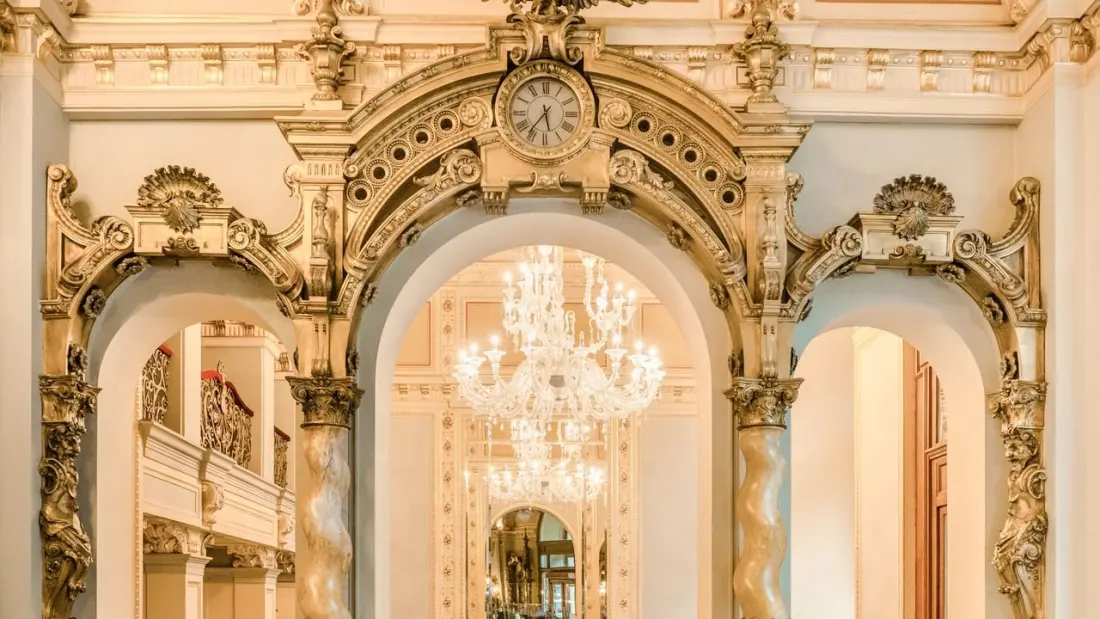
The editors' shortlist is usefully specific. Couples are pointed towards the new St. Regis Budapest, families towards the Four Seasons Hotel Gresham Palace — the Art Nouveau landmark right by the Chain Bridge — and anyone visiting for the Christmas markets towards the W Budapest. The full 14 ranges from heritage classics to design-led newcomers, all vetted by journalists who have actually stayed in the rooms.
Where should you base yourself? The short answer is Pest. The Buda side of the Danube, with its leafy hills and quiet villas, is where well-heeled locals live, but Pest is where the energy is: historic buildings, restaurants, bars and shopping all within an easy stroll. Most of the recommended hotels sit in central Pest districts, putting landmarks, baths and ruin bars within walking distance, though a couple of Buda options make the cut for travellers who want calm without sacrificing location.
That walkability is Budapest's ace card. The Danube splits the city, and ornate bridges connect the medieval streets of Buda with Pest's elegant boulevards. Layered history is everywhere — Roman ruins (the emperor Marcus Aurelius reportedly wrote part of his Meditations here when it was a Roman town), Ottoman bathhouses and Islamic shrines, then baroque, neo-renaissance and Art Nouveau palaces from its imperial era. Add world-class museums, music venues, a fast-rising food scene stretching from street food to Michelin-starred dining, and hidden courtyards hiding bakeries, coffee shops and craft boutiques, and you have a compact capital that rewards wandering.
Why it matters: Budapest delivers a level of architecture, thermal bathing and dining that usually requires a pricier western European capital, and with the hotel market heating up ahead of the St. Regis opening, there's never been a better — or more competitive — time to book. Whether you're after a grand dame on the riverfront for a special occasion or a characterful small hotel steps from the Jewish Quarter's ruin bars, the city now caters to both, often at prices that still feel like a bargain.