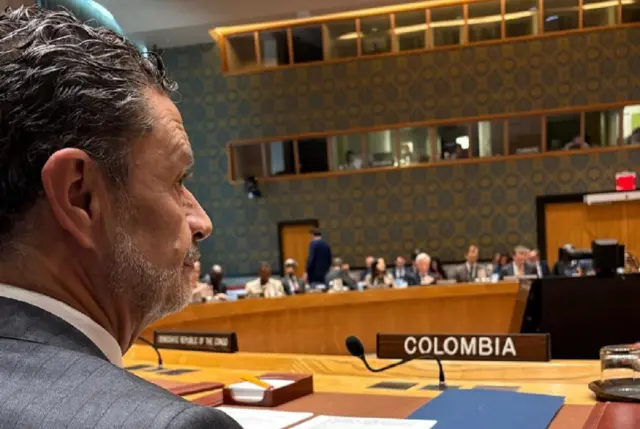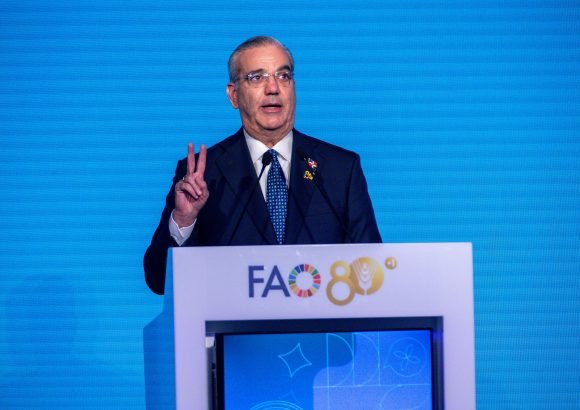
President Luis Abinader stood up at the World Food Forum in Rome this week and named the milestone he's proudest of: the Dominican Republic is no longer on the FAO's Hunger Map. Undernourishment on the island has fallen from 21.3% in 2006 to under 2.5% in 2025, which is what triggered the official removal.
The numbers behind it are striking. Food production per capita jumped 122.3% between 2004 and 2024, and local farms now cover more than 85% of what the country eats. Real household income rose 43.7% between 2015 and 2025, while monetary poverty dropped from 41.1% to 17.3% and extreme poverty fell to 2.2%. FAO Director-General Qu Dongyu praised Abinader personally, saying he'd be remembered for the achievement.
A big part of the story is social programmes most visitors never see. School meals went from 1.7 million children in 2019 to over 2.2 million in 2025. The Aliméntate and Bono Gas schemes reach more than 1.4 million households, and 163 public dining halls serve roughly 183,000 free hot meals a day, alongside producers' markets and mobile stores selling affordable food.
Abinader was careful to frame this as a beginning, not a finish line. He flagged the need for healthier diets and food education, and pointed to a 2026-2027 drought plan built around better irrigation, watershed protection and support for small farmers — a sensible hedge given how climate-sensitive Caribbean agriculture is.
Why should a traveller care? Beyond the obvious human good news, food security says a lot about the place you're visiting. It means fresher, locally grown ingredients on resort and restaurant menus, more resilient supply chains when storms or price spikes hit, and a country whose rural interior — the tobacco fields of the Cibao valley, the rice country, the coffee highlands around Jarabacoa — is producing more than it has in decades. For anyone tempted to look past the beach zones, it's a country with a genuine farm-to-table story unfolding in real time. Credit: Dominican Today.