
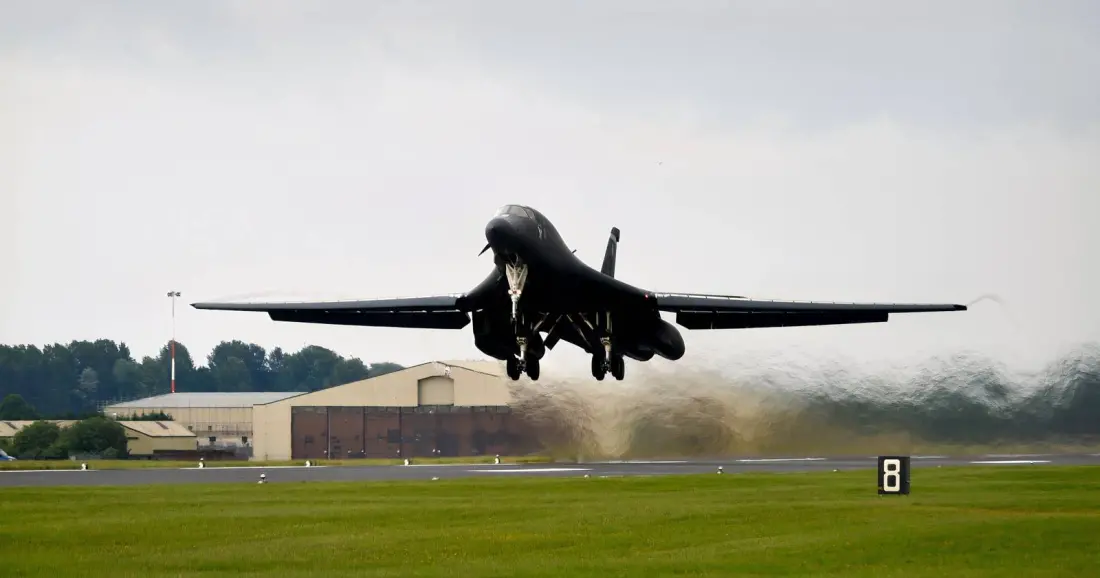
A German-registered Cessna Citation XLS+ touched down at RAF Fairford in Gloucestershire on September 12 without authorisation, and the response was anything but routine. The base is the US Air Force's main bomber forward-operating location in the UK, home to aircraft like B-1B Lancers and B-52 Stratofortresses, so an unexpected civilian jet on the runway triggered an immediate security alert rather than a shrug from air traffic control.
The aircraft, registration D-CJMK, is a 2019-built Citation XLS+ operated by VistaJet Germany, with past history including Air Hamburg. It had departed London City Airport that morning and was apparently meant to land at a nearby civilian airport instead — Fairford sits roughly eleven miles east of its intended destination. Nothing in the reporting suggests the aircraft was a deliberate threat; the evidence points to a simple navigation or destination mix-up.
Still, context matters. Fairford is not your average airfield. Operated by the RAF but used heavily by American forces, it is built to handle strategic bombers, with the long runway and heavy support infrastructure that implies. Records show several B-1Bs arriving and departing the day before the incident, so the base was busy with sensitive military movements when the little business jet appeared.
What actually went wrong remains unclear. No public investigation has determined whether the error came down to flight planning, navigation, communications, or a misunderstanding on approach. That gap is part of why the event is getting attention: military airfields run procedures that differ significantly from civilian airports, and even an honest mistake can prompt serious scrutiny when strategic assets are involved. UK and US authorities are expected to look at whether identification, communication and airspace-monitoring procedures around Fairford did their job — and whether small procedural tweaks could stop another civilian aircraft from rolling onto a runway it was never meant to use.
For the wider picture, this looks set to remain an odd one-off rather than anything that disrupts the base's military mission. But it is a useful reminder of how close general aviation and military operations run in parts of the English countryside, especially during exercise seasons when Gloucestershire's skies fill with everything from light jets to supersonic bombers. Aviation enthusiasts who flock to the area each July for the Royal International Air Tattoo — hosted at Fairford — will recognise just how unusual an unannounced civilian landing here really is.