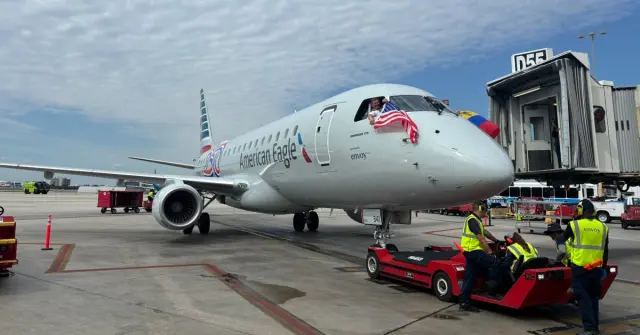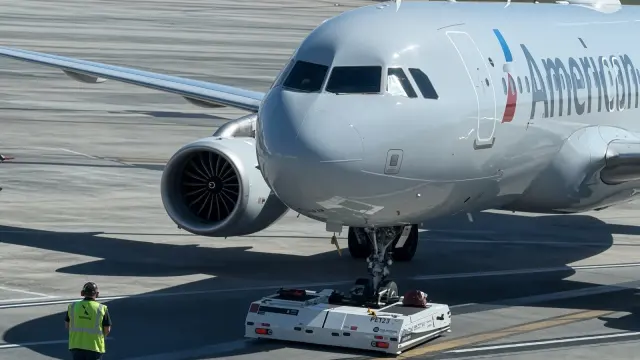
Left your passport in the seat pocket? Bad news: once you've stepped off the aircraft, you're almost never allowed back on board. That's why the crew's final five-minute cabin sweep matters more than most passengers realise.
According to the Association of Flight Attendants-CWA, that post-flight sweep is a regulatory requirement enforced by the FAA. Crew check every overhead locker, seat, seat pocket, under-seat area and lavatory for forgotten phones, passports and duty-free bags, then hand anything found to ground staff. It's also when they confirm nobody is still on board and that the doors are properly disarmed — skip it, and it counts as a minimum crew violation.
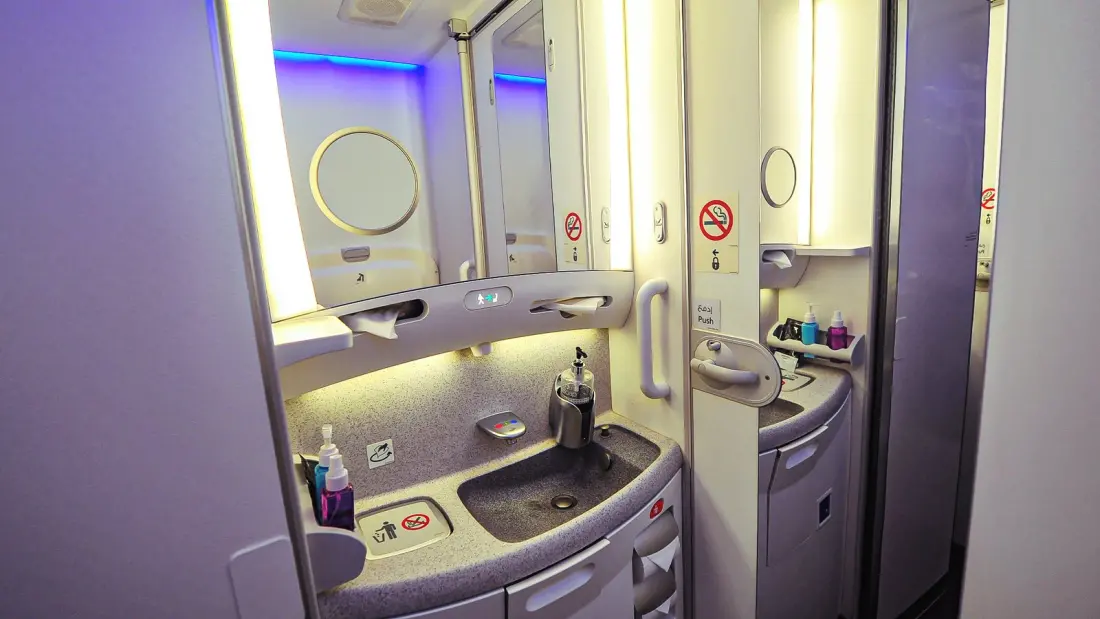
The sweep is just the last in a long line of checks most passengers never notice. Lavatories get inspected every 20 to 30 minutes at most airlines — Ryanair and Norwegian at 20, United at 30. Partly it's cleanliness and restocking, but partly it's fire safety: crew are checking waste bins for hidden cigarettes. Smoking and vaping are banned, yet people still try, and a hot cigarette in a bin of paper towels is genuinely dangerous. That's why lavatories have smoke detectors, fire extinguishers inside the bins, and why the little ashtray by the door is a legally required fitting — a flight can be grounded without one.
Crew also check the cockpit every 20 to 30 minutes, confirming pilots are awake, well and responsive, especially when one is taking controlled rest on a long-haul flight. It doubles as a delivery run for water, meals and updates.
Other cabin routines have direct consequences for passengers. That duty-free bottle you bought? You can't drink it on board — under the Air Navigation Order, crew can confiscate personal alcohol until you land, and UK rules coming in 2026 carry fines of £500 to £2,500 and up to two years in prison for intoxicated passengers. Cabin pressure apparently boosts alcohol's effect by 20 to 30 percent, and Virgin Atlantic crew reportedly track consumption on a 'galley list' — hit around five beers and you may be cut off.
Want to move to that empty row? Usually fine, but ask first. Crew need to find passengers with special meals, and on light loads your seat position can matter for the aircraft's balance. Exit rows are never first-come-first-served — only briefed, able-bodied passengers can sit there, and extra-legroom seats are a paid product anyway, so self-upgrading will get you moved right back.
The seatbelt nagging during descent has data behind it too: roughly 49 percent of fatal accidents happen during landing and 14 per cent during takeoff and taxi, and turbulence is getting more frequent and severe. Keeping your belt fastened while seated is the single easiest safety win available.
The practical takeaway: check the seat pocket before you stand up, because your access ends at the aircraft door. If you do leave something behind, head straight to the gate or the airline's lost and found — chances are decent the sweep already found it.