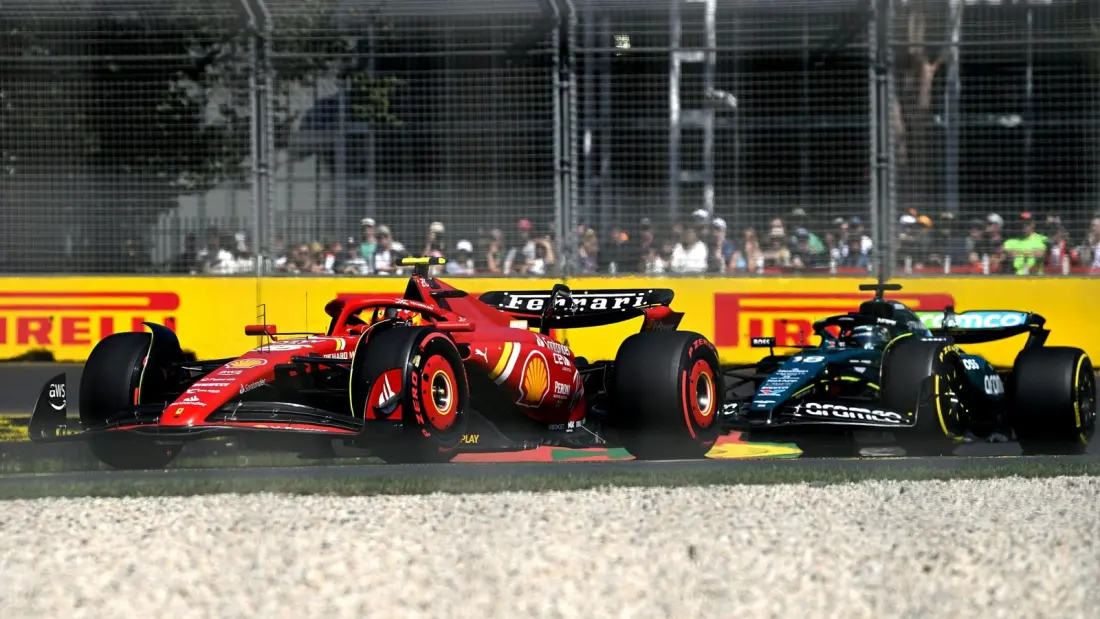
Formula 1 is finally returning to Africa. The sport's governing body has confirmed a ten-year partnership with Rwanda, with a Grand Prix expected to join the calendar around 2030 — the first African race since South Africa's Kyalami circuit hosted the finale in 1993.
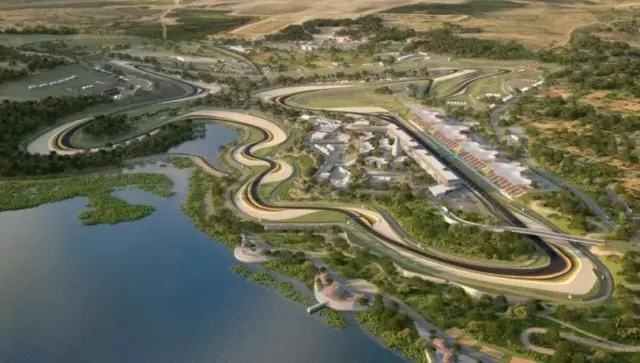
The new circuit will be built in Bugesera, roughly 40 kilometres south of Kigali, right next to the country's new international airport. Organisers say the layout will work with the terrain, using natural elevation changes to create a challenging track and good sightlines for fans. It beat out South Africa, long tipped as the likelier host; South Africa's sports minister Gayton McKenzie conceded the point graciously, noting Rwanda had worked on the bid longer and deserved it.
The drivers are on board too. Lewis Hamilton has long campaigned for an African race, calling it the only continent F1 doesn't visit. Max Verstappen called the prospect "great news for the sport", and George Russell added that it was about time the championship covered the whole world.
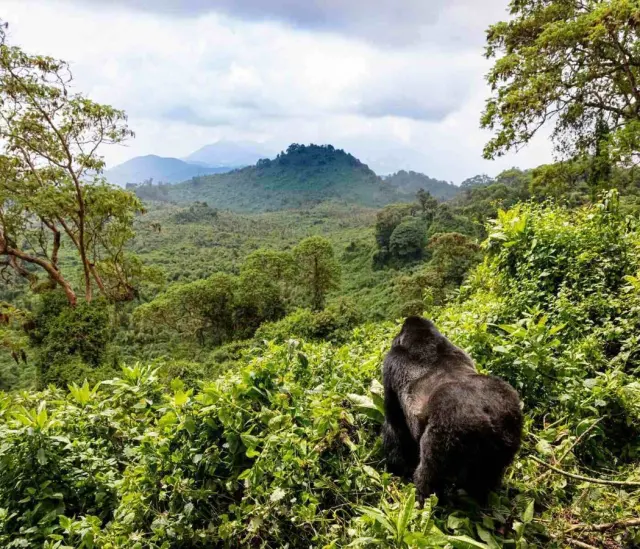
For Rwanda, the race is the latest move in a deliberate rebrand. Through its Visit Rwanda sponsorships across football, basketball and cycling, the country has built a profile as a sporting destination beyond its famous gorilla trekking. President Paul Kagame framed the deal as an investment in jobs, skills and tourism for decades, and F1 CEO Stefano Domenicali echoed the promise of lasting economic benefits. With Africa now home to the world's largest free trade zone by member count, and the events industry driving ever more travel, a permanent circuit could anchor wider tourism and business development.
One caveat for travellers: several governments currently carry advisories for Rwanda, tied to conflict near the Democratic Republic of Congo border and an Ebola outbreak in DRC's Ituri Province. The US State Department sits at Level 3 (reconsider travel), and the UK and Netherlands also caution against some areas. Worth noting, though, is the geography — Bugesera sits 140 to 190 kilometres from the nearest DRC border crossing, and Ituri is 400 to 450 kilometres away. Most of the country, including Kigali and the planned race site, remains far from the affected zones, and the Dutch government classifies the rest of Rwanda as safe to visit with normal precautions.
For fans eyeing a 2030 trip, this could be a rare chance to combine a Grand Prix with gorilla trekking, Volcanoes National Park and one of Africa's cleanest, most organised capitals. For the sport, it closes a 37-year gap on a continent it had left behind.