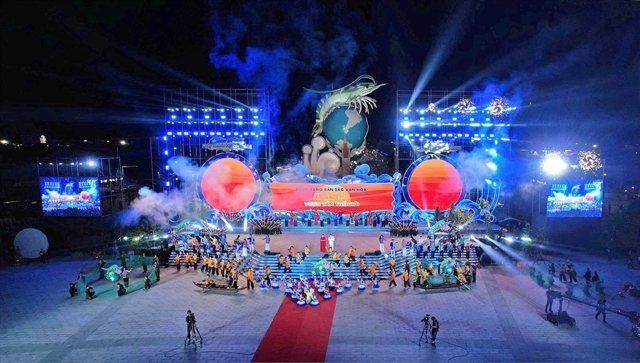
Cà Mau, Vietnam's southernmost province, has just thrown open its second Shrimp Festival, and it's a lot more than a trade fair. Running from November 21 to 25 at Phan Ngọc Hiển Square in An Xuyên Ward, the event pairs a serious push to build the Cà Mau shrimp brand globally with celebrations of Vietnam Culture Day, and organisers expect 8,000 to 10,000 visitors.
For travellers, the draw is hands-on. Around 350 booths cover shrimp products, ecological farming models, OCOP local specialities, traditional crafts and regional cuisine, with cooking demonstrations featuring Cà Mau shrimp and crab. If you'd rather do than watch, there's a shrimp-catching contest, shrimp-sorting sessions and fishing for giant freshwater prawns.
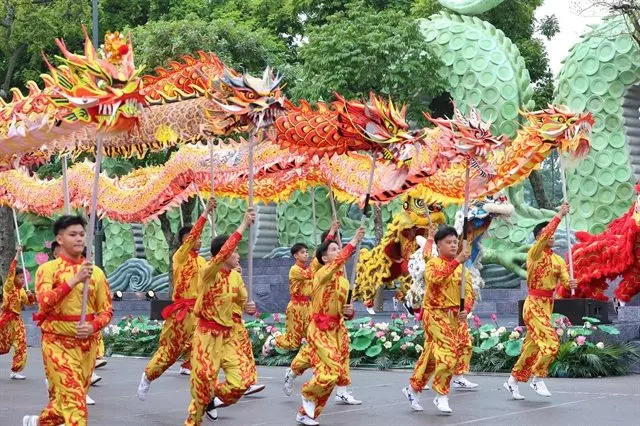
The cultural programme is the real hook. An ethnic cultural night showcases the heritage of the Kinh, Khmer and Hoa communities who share this corner of the Mekong Delta. Expect đờn ca tài tử — the southern amateur music style UNESCO listed as Intangible Cultural Heritage in 2013 — plus lion dancing and Khmer traditions including dù kê musical theatre, rô băm dance and Pinpeat, the five-tone ceremonial ensemble heard at Khmer temples.
Why shrimp and why here? Cà Mau sits at the country's southern tip with sea on three sides, a 310 km coastline, and a mix of saltwater, brackish and freshwater ecosystems backed by mangrove forest. Shrimp farming there isn't just agribusiness; it's woven into the river, forest and sea culture of the region. Forest-shrimp and rice-shrimp farming models reflect generations of local know-how about working with the land rather than against it — which is exactly what makes the province's shrimp interesting to food-minded visitors.
The numbers behind the festival are hefty: the province expects shrimp output to hit 636,000 tonnes in 2026, up 6.9 per cent year-on-year, with seafood exports projected above US$2.8 billion. Local officials are also tying the festival to a growth target above 10 per cent for 2026, and a national shrimp-sector development conference is planned for 2026 with the Ministry of Agriculture and Environment.
For holidaymakers, Cà Mau is the kind of place you go for authenticity rather than resorts — think mangrove ecosystems, the U Minh forests, watery villages and seafood eaten close to where it's farmed. If you can't time a trip for next year's festival, the province's seafood culture is a year-round proposition, and the push to link shrimp, culture and tourism should keep producing new experiences worth the long ride south.