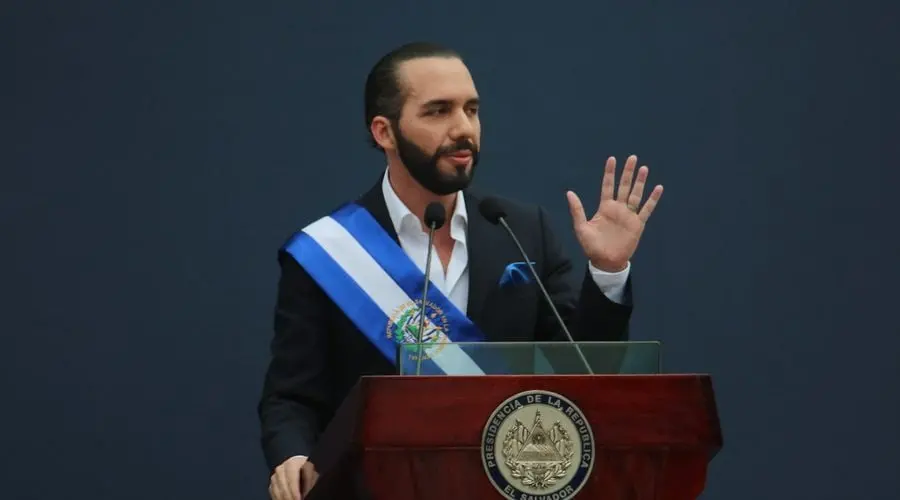
El Salvador goes to the polls on February 28, 2027, and five parties have now nominated presidential tickets — including President Nayib Bukele, who is seeking a third term after constitutional reforms removed reelection limits and stretched future presidential terms from five to six years.
As of November 20, the Supreme Electoral Tribunal had received registration documents from all five parties without ruling on any of them. The calendar gives the TSE until November 24 for initial decisions, with final registration rulings due by December 17. Campaigning began on October 27 and runs through February 24, four days before the vote, which will also fill the Legislative Assembly and municipal councils.
Bukele leads the ticket for Nuevas Ideas alongside Vice President Félix Ulloa, having first won in 2019 with GANA and again in 2024. His signature policy is the state of exception imposed in March 2022, a sweeping security measure that remains the campaign's central fault line. Some rivals back keeping it, others want it replaced or adjusted.
The challengers are a varied bunch. Rafael Aguirre, a physician and doctors' union leader at the Salvadoran Social Security Institute, carries the FMLN banner with nurse Madaí Santos as running mate, campaigning on a fiscal pact and anti-corruption drives. ARENA has picked Mayteé Iraheta, an attorney and former legislator for Sonsonate, paired with agricultural engineer Verónica Henríquez; she wants a permanent security law to replace the state of exception and a restoration of checks and balances in congress.
Orlando Delcid of Fraternidad Patriota Salvadoreña is a businessman who left La Unión for Houston at age seven and built a real estate career in the US. His pitch: attract $100 billion in private investment across all 14 departments, with a $7-an-hour wage floor. And the PCN — a legislative ally of Bukele's party — has nominated retired army general Alirio García Flamenco, a former chief of the Joint Chiefs of Staff who prioritises legal certainty, food security and civil liberties protections, with ex-mayor Mauricio Vilanova as his deputy.
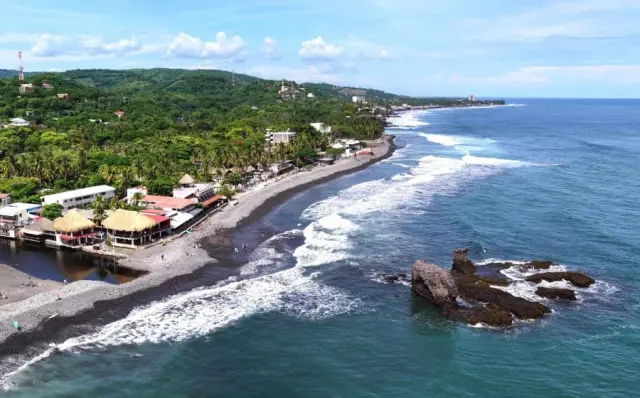
Why should this matter to travellers? El Salvador has become one of Central America's fastest-changing destinations, and the state of exception at the heart of this election directly shapes conditions on the ground — heavier police and military presence, checkpoints and the overall feel of cities and surf towns alike. Whichever way February's vote goes, the result will influence security policy, infrastructure spending and the country's international image through 2033. Anyone planning a trip in 2027 should watch how the campaign unfolds and keep an eye on any changes to security measures around election time.
Story reported by El Salvador Info.