Cuenca, the Andean city long beloved by expats for its low costs, has quietly become the priciest place in Ecuador for everyday essentials. The national statistics agency's basic consumption basket hit $895.67 a month in October — up $4.31 from September and nearly $50 above the national average of $837.36. Loja ($867), Manta ($861), Quito ($857) and Guayaquil ($855) all come in lower, with Esmeraldas the cheapest at $787. Food and drink dominate household spending at $363 monthly, followed by housing and utilities at $280. Note the basket itself was revamped in July, expanding from 75 to 98 items and adding modern staples like yogurt, apples, taxi fares, mobile plans and home internet — so the comparison isn't apples to apples with previous years, but the trend is clear.
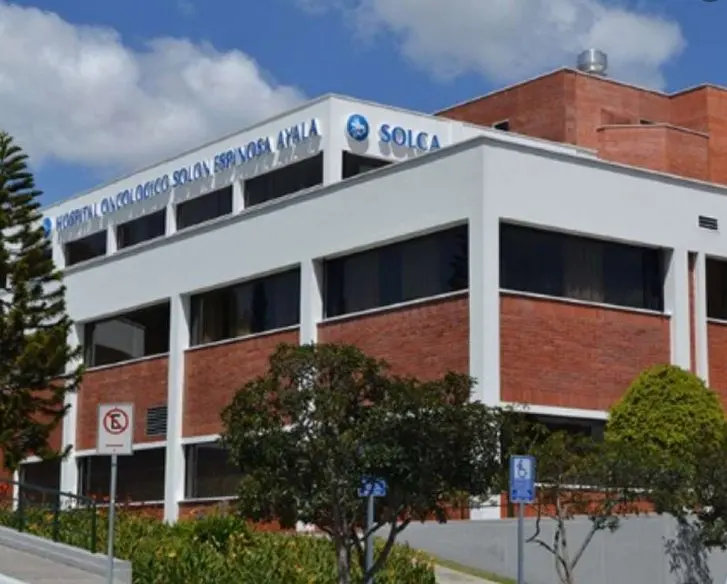
On the health front, Cuenca's SOLCA cancer hospital marked its 68th anniversary by inaugurating a new Tower II, a remodelled Tower I and equipment that lifts capacity to around 200 beds. The headline addition is a PET-scan unit with its own cyclotron to produce the radioactive tracers it needs, expected to start working in early 2027. Until now, patients from Cuenca and the southern provinces — Loja, El Oro, Morona Santiago — had to travel to Quito or Guayaquil for these scans. Hospital directors say the new infrastructure is built to serve the region for the next 30 to 40 years.
There's also a construction boom underway. Developer CMD has launched Arcus, a mixed-use building on Remigio Tamaríz and Av. Solano, the first of two projects totalling $11 million. Construction starts in December, finishing mid-2028, with studios and larger apartments priced from $60,000 to $210,000, plus a gym, coworking space and pet-friendly areas — 35% of units sold before the official launch. Not far behind, Grupo Althura unveiled Pradia Habitat Vital: five 10-storey towers with roughly 300 residential and commercial units, green space, three rooftop terraces, pools and public shopping arcades, pencilled in for late 2027.
President Noboa also came to town, announcing $2.3 million in water and sewer projects for Gualaceo and Sígsig, two new health centres, and a haul of tractors, pickups and agricultural kits for farmers across Azuay and beyond.
A couple of notes for visitors and residents alike: bus lines 2, 7, 15, 22 and 24 now stop on av. 12 de Abril instead of calle Pumapungo, and anyone planning to enter a float in the famous Pase del Niño Viajero parade on 24 December must register online — heavy trucks, buses and trailers are banned, and Christmas themes are required.
Why care? If you're scoping Cuenca as a long-stay base or retirement option, the cost-of-living edge it once held over Guayaquil or the coast has narrowed — budget accordingly — while serious healthcare capacity is arriving closer to home, which matters hugely for older travellers. The residential projects also hint at where the city's expat-friendly rental and buying market is heading over the next few years.