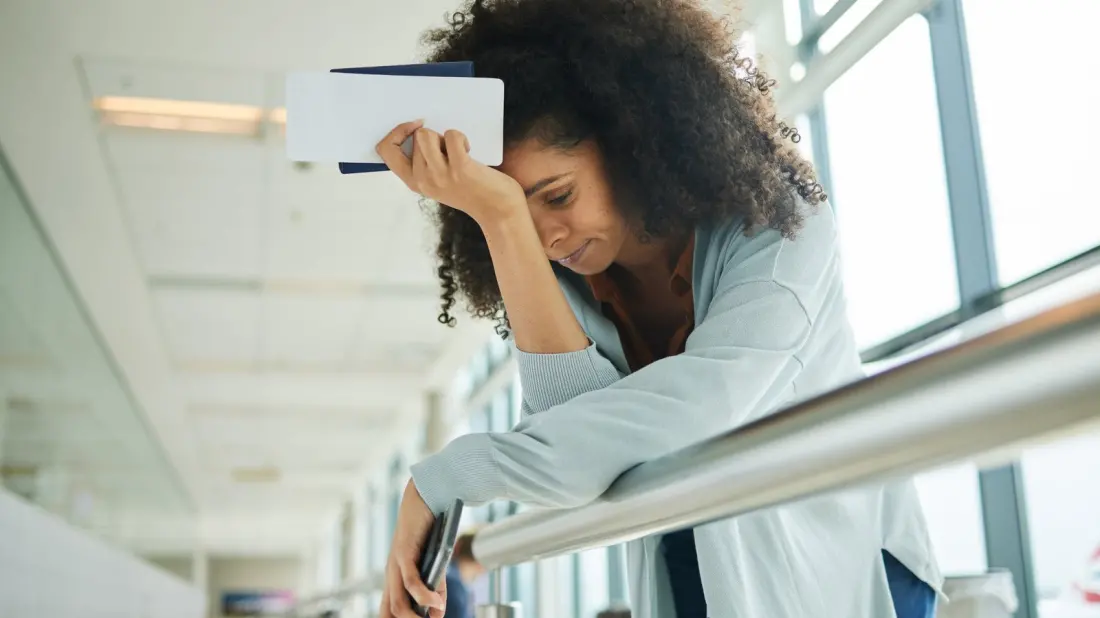
Being bumped from a flight feels like bad luck, but according to travel experts, one habit quietly raises your odds: checking in late. When airlines oversell a plane — something the U.S. Department of Transportation explicitly allows to offset no-shows — and not enough passengers volunteer to give up their seats, carriers pick who gets bumped based on factors like check-in time, fare paid and frequent flyer status. In other words, someone who checked in at the last minute is an easier candidate to bump than someone who did it the moment the window opened.
That's not the only downside of a late check-in. Show up to the process at the final hour and you may be left with whatever seats nobody wanted: a middle spot near the lavatory, or a seat far from the friends and family you booked with.
The fix is simple. Most major airlines, including Delta and United, open check-in about 24 hours before departure, and their apps will ping you when the window opens — some even check you in automatically. Don't snooze that notification.
Checking in early has fringe benefits beyond seat protection. Dollar Flight Club founder Jesse Neugarten points out that airlines refresh their seat maps when check-in opens, so last-minute cancellations and changes free up better spots — and early birds get first pick. Early check-in can also surface discounted paid upgrade offers, though complimentary upgrades still generally hinge on elite status and fare class. And if something goes wrong during check-in, doing it a day ahead gives you hours to sort it out rather than minutes.
One caveat: if you're checking a bag, online check-in doesn't let you waltz in late. Bag drop has its own cutoff times, so the standard advice still applies — around two hours before domestic departures and three for international.
No strategy fully eliminates the risk of being bumped on a heavily oversold flight. If you do volunteer your seat, get clear answers first: when's the next confirmed flight, are you being paid cash or handed a voucher, and will meals or a hotel be covered? If you're bumped against your will, don't just leave the gate. Neugarten advises requesting a written explanation of your rights, which airlines are legally required to provide. Under DOT rules, domestic passengers delayed one to two hours can claim 200% of their one-way fare, rising to 400% for delays beyond two hours, subject to federal caps.
For anyone flying during peak holiday periods — when overbooking bites hardest — the takeaway is easy. Set a reminder for the 24-hour mark, check in from your phone, grab whatever better seat has opened up, and keep your boarding pass handy. It takes two minutes and meaningfully improves your odds of flying as planned.