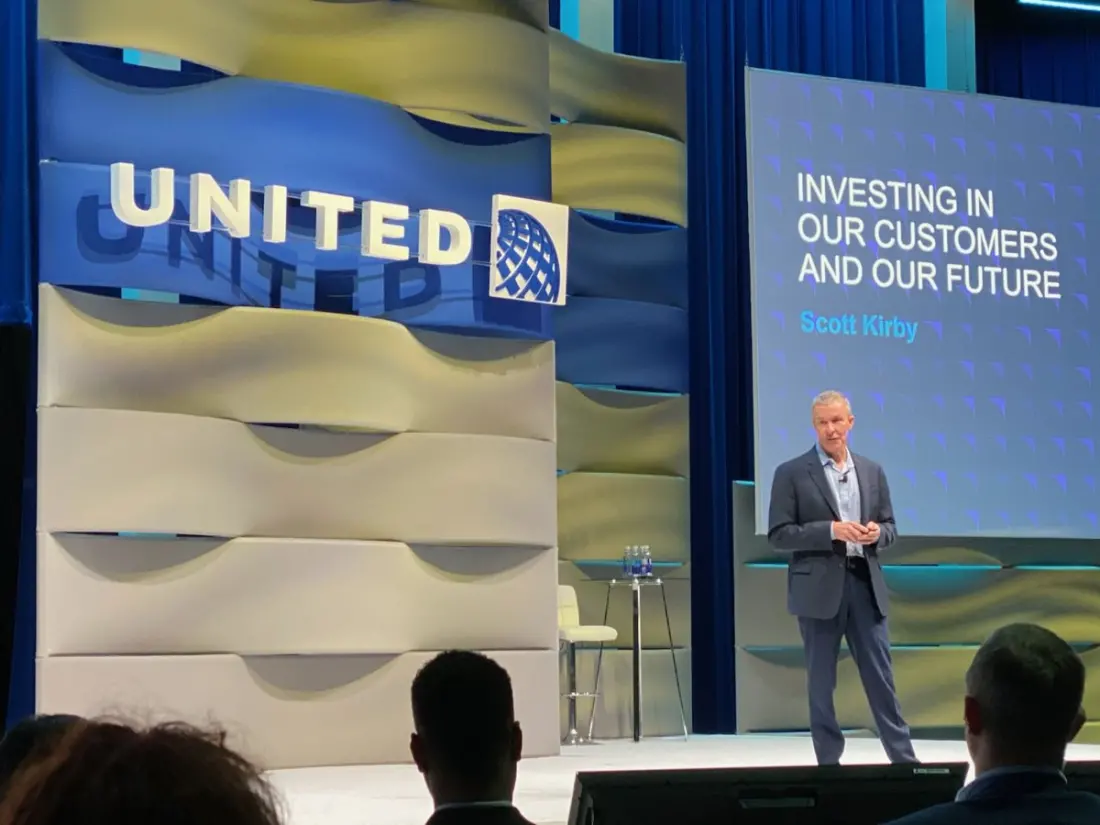
United Airlines chief executive Scott Kirby has given an unusually frank interview to The New York Times, and the part everyone is talking about is his defence of charging passengers extra for window and aisle seats. Asked how occasional flyers — the people without elite status — fit into United's strategy, Kirby argued that passengers who want more should pay more, saying that delivering a window or better seat 'costs money.'
The pushback is obvious: a standard economy window seat is already bolted to the aircraft. Assigning it instead of a middle seat requires no extra catering, no additional legroom and no new equipment. What it does have is scarcity and demand — plenty of people will pay to avoid a middle seat, and United knows it. That's a fair pricing argument, but calling it a cost argument feels like marketing spin. Travellers would likely respect the airline more if it simply said: window seats are popular, so they cost extra.
There's another side to Kirby's case, though, and it deserves airtime. He pointed to investments that reach every passenger, whatever fare they bought — free Starlink Wi-Fi being rolled out across the fleet, seatback screens, power outlets and bigger overhead bins. Even basic economy travellers get some of this, which isn't the norm on US carriers. He also defended higher base fares more honestly: flying airplanes is expensive, and fares have to cover it.
The interview covered more than seat maps. Kirby called his exit from American Airlines, where he'd expected the top job, a betrayal, and framed his move to United as a chance to prove himself — something United's recent product improvements suggest he's done. More surprisingly for an airline executive, he endorsed a national wealth tax and near-total inheritance taxes above a certain level. On leadership, he says he now focuses on a handful of big decisions rather than micromanaging, and he still flies rival airlines to keep tabs on their products — including American, where he holds a lifetime flight pass and still lives in Dallas.
Why should travellers care? Because Kirby's comments signal where US airline pricing is heading: the advertised fare is increasingly just the starting point, with seat selection as one of the biggest add-ons. A practical takeaway — if you fly United occasionally, choosing your seat early at booking, using a co-branded card, or even accepting a middle seat on short hops can meaningfully change what you pay. And for status chasers, note that even the interviewer's framing of a $70 seat fee came with caveats: prices vary widely by route, and complimentary seat selection for elites still exists. Frequent flyers, though, may want to watch United's rising MileagePlus qualification thresholds before committing their spending for the year.
Kirby comes across as blunt, opinionated and unapologetic about segmentation — everyone pays for what they value. Whether you read that as fair or as fee creep depends mostly on where you sit. Literally.