El Salvador is one of Central America's most overlooked cultural destinations, and that's precisely the appeal. This small Pacific-coast country packs a layered identity into a compact area: Indigenous Pipil, Lenca and Maya roots, five centuries of Spanish colonial influence, and a modern wave of returnees from the United States who've brought English and new ideas back with them.
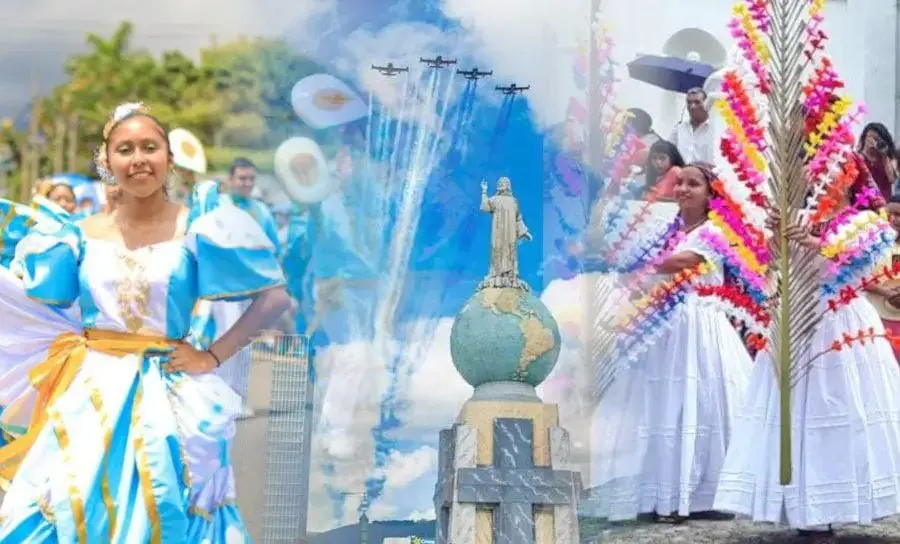
Faith runs through the calendar. Catholicism arrived with the conquistadors and still anchors community life — expect street processions, elaborate altars and family gatherings around Semana Santa, when towns lay intricate sawdust carpets along the processional routes. Easter week sits alongside the August Festivals in San Salvador, the lively San Miguel Carnival, and the Santa Ana festival. Then there are the wonderfully odd local celebrations: Nejapa's Balls of Fire festival, where participants hurl flaming rags at each other in honour of a volcanic eruption, and Panchimalco's Palms and Flowers festival. Nearly every municipality throws its own patron saint party, complete with parades, traditional dances and street food stalls.
The food alone justifies the trip. Pupusas — thick corn tortillas stuffed with cheese, beans or pork — are the national dish, but they're just the start. Tamales, yuca frita, pastelitos and hearty soups built on corn, beans and rice appear everywhere, from neighbourhood pupuserías to family kitchens during Christmas and Holy Week. Eating your way through local markets and street stalls is genuinely one of the best ways to meet people here.
Family and community are the glue. Weekends revolve around multi-generation gatherings, neighbours know each other by name, and the hundreds of thousands of Salvadorans living abroad — many in the US — fly home for the big festivals, which makes holiday periods especially lively.
A few things worth knowing before you go. Spanish is the official language, and locals speak it with characterful slang: chivo means cool, cipote means kid, and púchica is a mild exclamation of surprise. Picking up a few of these goes a long way. Salvadorans themselves are proudly called guanacos or guanacas — a nickname most wear with pride — though some labels like Salvatrucho carry uncomfortable gang associations you should avoid. English is increasingly common thanks to returnees, and in towns such as Nahuizalco and Panchimalco you can still hear Pipil, the endangered Indigenous language.
For travellers tired of heavily-trodden Central American circuits, El Salvador offers something rare: festivals and traditions that feel lived-in rather than staged for tourists. Come for the food, stay for the way a whole town turns out for its patron saint — and you'll understand why those who visit tend to rave about it.
Via El Salvador Info