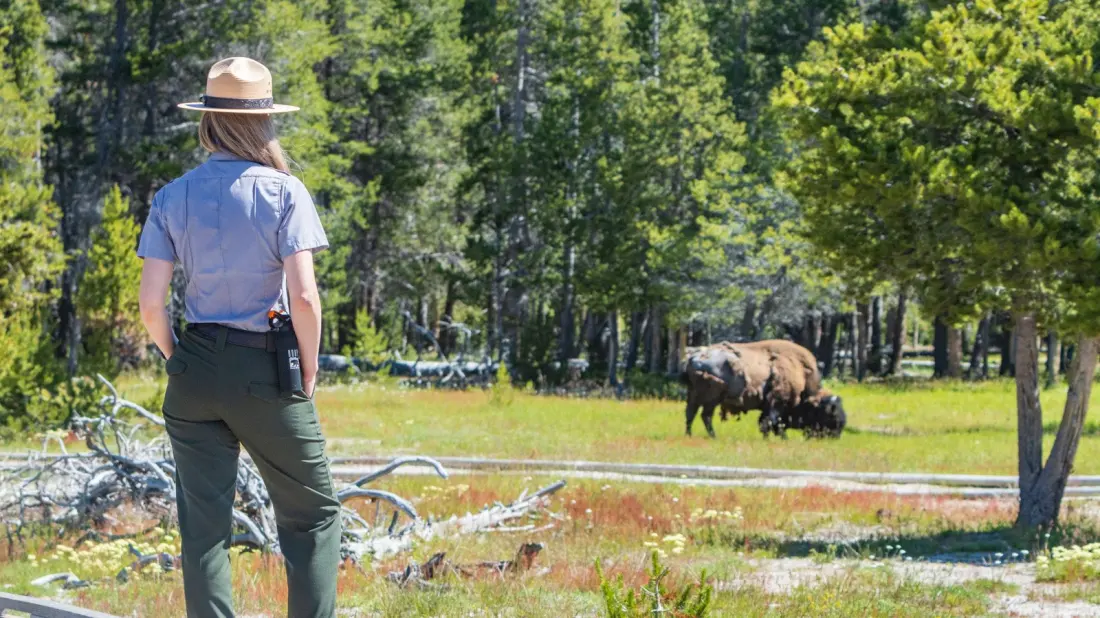
Park rangers in the US have a shorthand for the caller they dread most: Code W — the W standing for Wimp. It's the label applied to hikers who ring in a rescue request not because they're lost, injured or in danger, but because they've run out of steam and fancy a lift home.
These calls are more than a mild irritant. Real rescues can mean a hours-long hike in rough weather or a helicopter hoist, and rangers say an unnecessary call shows no thought for the genuine emergencies — injuries, missing hikers, worse — they may have already handled that day. Many parks simply won't act on fatigue alone. As one put it bluntly: a helicopter will not be sent because you're tired.
The financial angle matters too. Being rescued at a national park is free for the person being rescued, but the cost lands on government budgets. Some agencies are starting to push back in other ways: Parks Canada has reportedly charged two hikers who were too tired to walk out of a closed area near Pyramid Lake in Jasper. Ignore closures or safety rules, and penalties can follow.
The reliable way to avoid becoming a Code W is preparation. Check the park's official website for trail conditions, campsites and weather, and read first-hand trip reports before setting out. Rangers are easy to approach and generally happy to advise — especially if you look like a first-timer, which they're trained to spot.
Know your own limits as well. Conquering a tough trail in one state doesn't mean you can handle a different trail with different terrain, altitude or heat elsewhere. Beginners should pick genuinely beginner-friendly routes rather than chasing the most photogenic viewpoint.
At the same time, don't let the Code W stigma stop you from calling when it counts. Running dangerously low on water, getting caught in a flash flood or snowstorm, suffering heat exhaustion, hypothermia, dehydration or a serious injury — these are exactly what search and rescue exists for. Rangers would far rather come out for a legitimate emergency than have you tough it out and turn a hard afternoon into a tragedy. The line between the two is simple: fatigue is a planning failure; real danger is what rescue teams are there for.