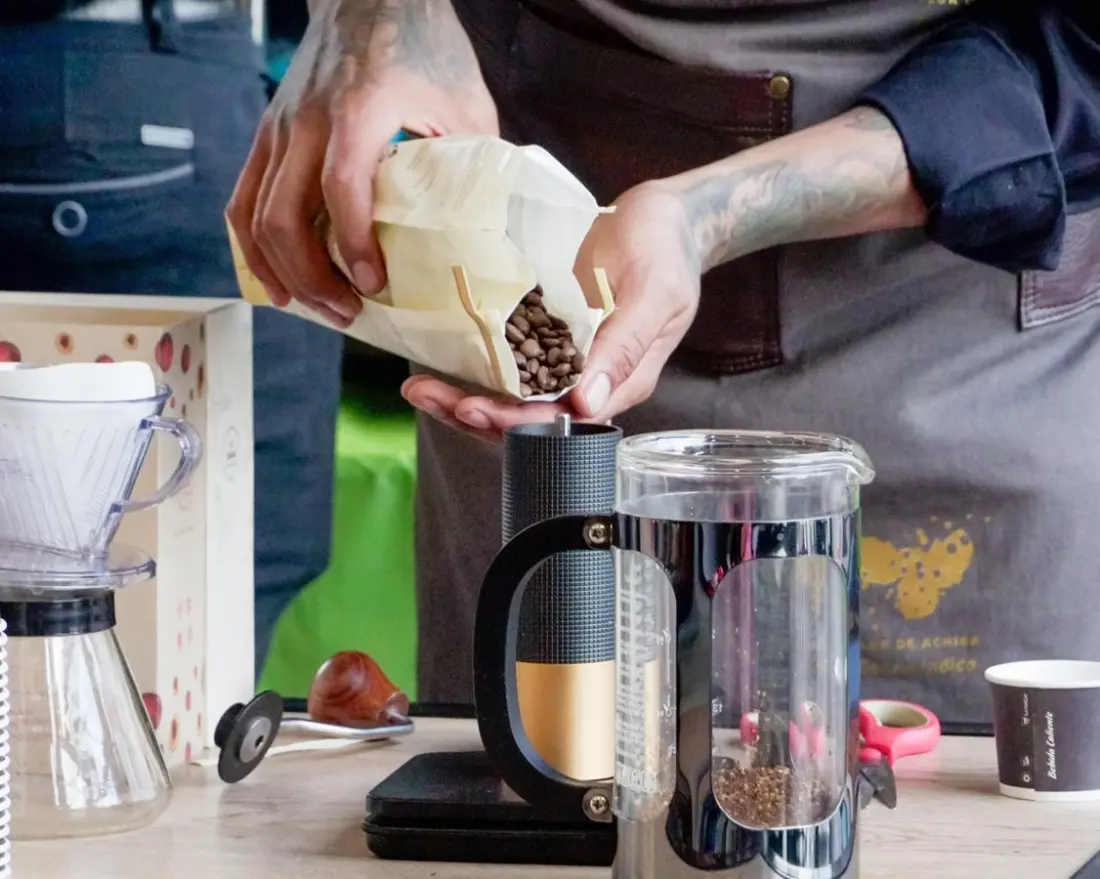
Colombia ships some of the planet's most prized arabica to cafes from Oslo to Tokyo, yet its own citizens drink remarkably little of the stuff. According to the country's coffee exporters' association Asoexport, average consumption is just 2.67 kilograms per person a year — less than half of Brazil's 6.64 kilograms, well under Costa Rica's 5.71, and nowhere near Norway's 8.18. Figures from the National Coffee Growers Federation tell a similar story: roughly 2.5 kilograms per head, with Finland topping 12.
The comparison was aired at the 90th Coffee Summit in Cartagena, where Asoexport's executive president Gustavo Gomez Montero argued that Colombia can't depend on foreign buyers alone and needs a stronger home market. His timing isn't accidental. The sector is having a rough year: the harvest fell 15% to 12.56 million 60-kilogram sacks between November 2025 and October 2026, exports dropped 11% to 11.85 million, and a weakening dollar has erased around US$620 million in income for coffee-growing regions. A proposed 19% tax on coffee at various processing stages — which exporters say would tie up more than US$1.2 billion upfront — has added to the anxiety.
There's clearly room to grow. Asoexport calculates that if Colombians drank as much coffee as Brazilians, domestic demand would hit around 5 million sacks a year, more than double today's roughly 2.3 million. The federation reckons consumption could climb from 2.5 million to 4 million sacks. The catch is supply: matching Brazilian-level demand while keeping export commitments would require 18–20 million sacks annually, about 50% more than Colombia currently produces.
One workaround already exists. Colombia imports about 1.6 million sacks of lower-grade robusta — a hardier, more bitter bean — so its premium mild arabica can stay reserved for export. Asoexport suggests growing robusta domestically in the Altillanura, the eastern plains, to replace nearly 2 million imported sacks. Its ideas for boosting home consumption include putting coffee into school meal programs, pushing quality coffee in hotels, and educating consumers about health benefits.
For travellers, this is a good moment to pay attention. Visiting a Colombian finca near Manizales, Salento or Armenia means seeing a premium product at its source, and the industry's push to build domestic coffee culture — better cafe scenes in Bogotá and Medellín, hotel programs, consumer education — should make coffee-focused trips richer in the next few years. Drinking coffee where it's grown is also the most direct way a visitor can support growers through a tough season.