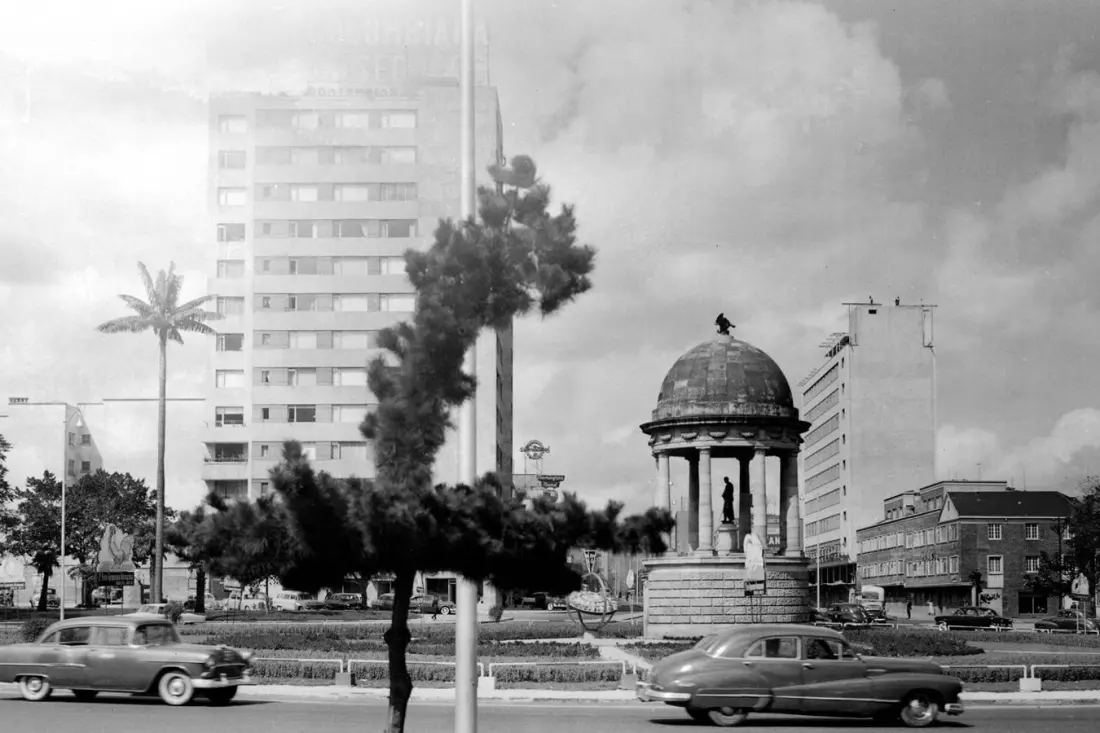
Bogota's grandest institutions, Medellin's civic landmarks and Cartagena's elegant facades owe far more to outsiders than most visitors realise. A look back at the architects behind Colombia's defining buildings reveals a string of arrivals from Europe and the Caribbean — some hired by governments, some fleeing war — who stayed, became citizens and left their mark on entire cities.
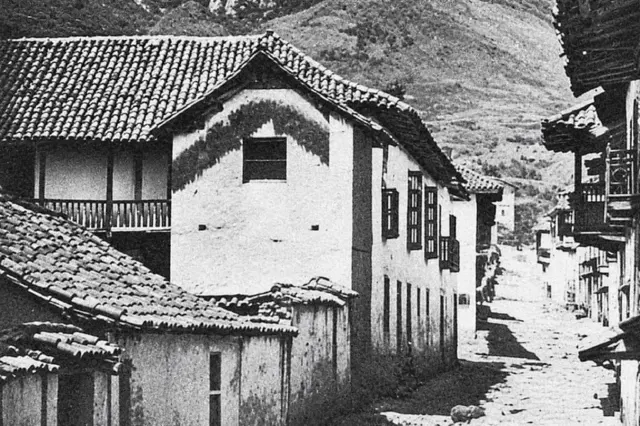
It starts with Thomas Reed, a Caribbean-born architect who reached Bogota in 1846 on a presidential commission from Tomas Cipriano de Mosquera. His Capitolio Nacional, begun in 1847, dragged through decades of political upheaval; Reed left in 1860 before it was done. The Italian Pietro Cantini, recruited from Florence in 1881, took over the Capitol and added the Teatro Colon, then married, settled and was eventually buried in a Suesca mausoleum of his own design.
The pattern repeats. Frenchman Gaston Lelarge arrived around 1890 to teach military tactics, pivoted to architecture, and produced the Palacio Echeverri and Palacio Lievano in Bogota before spending his final decades in Cartagena, where he died in 1934. Belgian Agustin Goovaerts was hired by Antioquia's regional government in the early 1920s to found an architecture academy and design public buildings in Medellin — including the former Palacio de la Gobernacion and the Edificio Gonzalo Mejia — helping shape the city's identity during a boom period.
The 1930s brought refugees. German architect Leopoldo Rother, forced out of public service by Nazi persecution, arrived in May 1936 and went on to plan the Ciudad Universitaria of the National University in Bogota, later taking Colombian citizenship. Italian Bruno Violi followed in 1939, designing the El Tiempo building and Casa Shaio while teaching a generation of students. Fernando Martinez Sanabria — 'El Chuli' — arrived as a child in 1938 fleeing the Spanish Civil War, grew up in Bogota and became known for organic architecture that worked with landscape and local materials, including a 1960 renovation of Plaza de Bolivar.
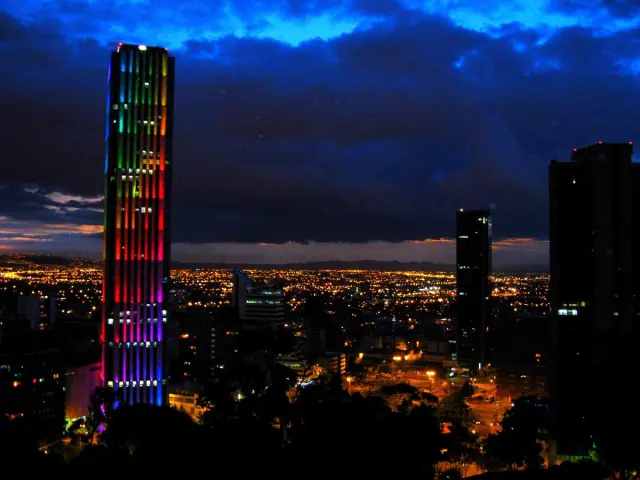
The best-known name is Rogelio Salmona. Born in Paris in 1927, raised in Bogota, he left during La Violencia in 1948 and spent nine years in Le Corbusier's studio before returning in 1958. His brick-heavy, courtyard-driven language produced Torres del Parque, the Virgilio Barco Public Library and buildings in Cartagena — structures travellers walk past and into every day, often without knowing whose hands shaped them.
Why should a traveller care? Because Colombia's cities are readable through these men. A walking day in Bogota can string together the Capitolio, Teatro Colon, Torres del Parque and the Universidad Nacional campus; Medellin offers Goovaerts' civic buildings; Cartagena carries Lelarge's touch in its civic and religious architecture. Knowing the backstory turns sightseeing into something richer — a story of republic-building, exile and belonging written in brick and stone.
Story via Colombia One.