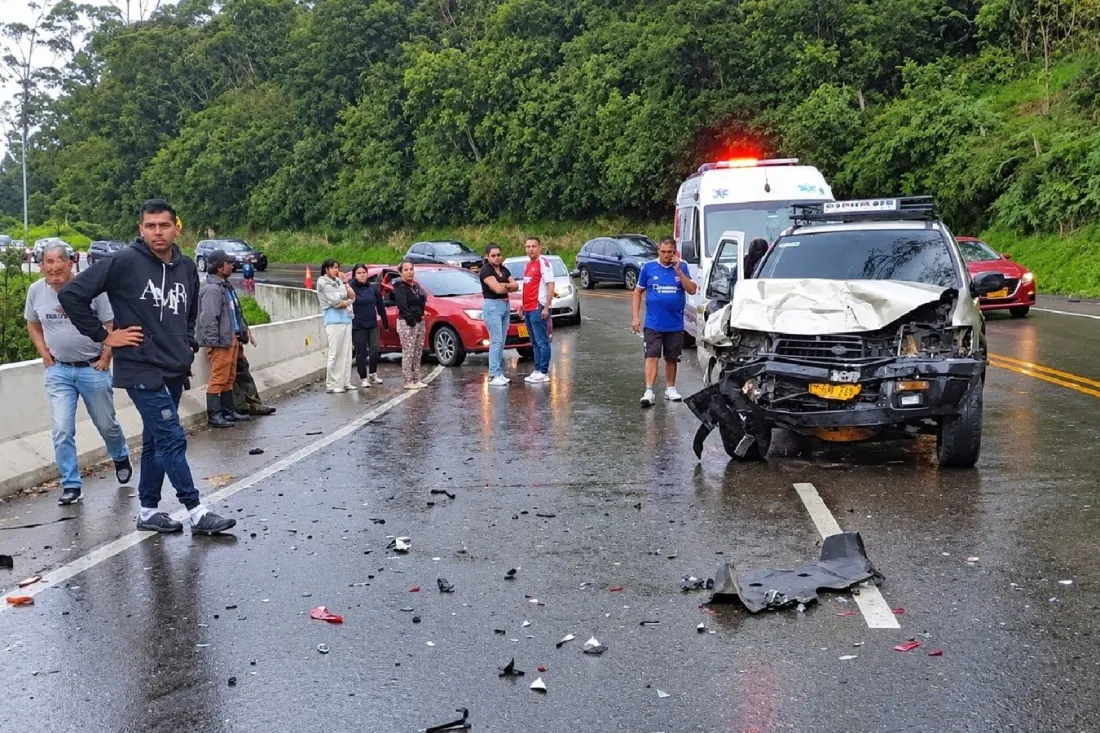
Colombia is on course for the deadliest year on its roads since records began. Between January and September 2026, 7,468 people died in traffic accidents, up 1,210 on the same stretch of 2025 — a 19.3% jump that researchers from Universidad de los Andes and the Safe Speeds Alliance call a historic record. At the current rate, the year could end with more than 10,400 lives lost.
The numbers are stark in almost any frame you choose. August alone saw 927 deaths — roughly thirty a day — against 721 the year before. The national average works out to 27 deaths daily, one victim every 53 minutes. March (891) and May (898) had already flagged a bad year, and September added 817 more.
Who is dying matters for anyone visiting. Motorcyclists account for nearly the entire rise: 96.6% of the increase involves a motorcyclist, and 4,994 riders died in nine months — 18 a day. Add pedestrians (1,507) and cyclists (286), and vulnerable road users make up 90.9% of all deaths. Car occupants, by contrast, numbered 431. Motorcycles were involved in 78.2% of fatal incidents, with collisions against fixed objects (1,081 cases) the most common scenario.
The age profile skews heavily young and working-age: 3,203 victims were 29–59, and 2,200 were just 18–28. Men represent 81.5% of the dead. A parallel analysis by the National Institute of Legal Medicine and Pontificia Universidad Javeriana, presented at a forensic sciences congress in Bogotá, echoed the trend, noting 6,667 transport-related deaths in the January–August window and framing road accidents as the leading cause of death among young people worldwide.
There are pockets of improvement. The coffee-growing department of Quindío cut its toll from 104 to 90, with Nariño, Putumayo, Guainía and Amazonas also improving. Among capitals, Yopal, Manizales, Mocoa, Armenia and Inírida all recorded fewer deaths than in 2025. The report's closing appeal — safe speeds, responsible licensing, shared responsibility — is aimed squarely at policymakers.
So why should a traveller care? If you're flying into Bogotá, Medellín or Cartagena this year, these figures shape how you move around. Private motorcycle taxis and scooter rentals carry disproportionate risk right now — the data suggests thinking twice before hopping on the back of one or riding yourself. Intercity buses and reputable private transfers involve occupant fatality rates a fraction of motorcycle levels. Pedestrians and cyclists should stay alert, especially at night and on busy highways, since they represent a large share of victims. None of this should stop a trip: millions visit Colombia safely, and urban transport, domestic flights and organised tours remain the low-risk options. But it's a strong argument for skipping self-drive itineraries and road-trip plans through rural areas until safety conditions improve, and for treating a well-reviewed bus or a short domestic flight as the smarter way to cover distance.
Colombia One