Colombia is facing its most serious electricity scare in years. The country's grid leans heavily on hydropower, and with El Niño expected to bring drier weather through 2026-2027, reservoirs are already running below historical averages. The regulator, CREG, formally entered a period of energy-supply risk in September, warning that demand hit a record 263.27 gigawatt-hours per day in August while rainfall has lagged behind normal levels for four months straight.
The numbers behind the worry are stark. Projections cited by El Colombiano point to a potential annual energy deficit of around 3,906 GWh across 2026-2027. Colombia was supposed to add 4,475 MW of new generation capacity in 2026, but by July only 331 MW had actually come online, according to grid operator XM. Delays span both power plants and transmission lines, blamed on licensing bottlenecks, land disputes and community consultations.
Officials are playing down talk of a nationwide blackout, and the government has a 53-point roadmap from the Mining and Energy Planning Unit covering plant maintenance schedules and agency coordination. But critics, including former energy minister Tomas Gonzalez, argue the country has installed only a fraction of the capacity it needed in recent years, a problem he admits predates President Gustavo Petro's administration. If reservoirs keep falling, Colombia will depend on gas and coal plants running flat out, and some scenarios could require nearly 100 GWh per day of thermal generation for over nine months.
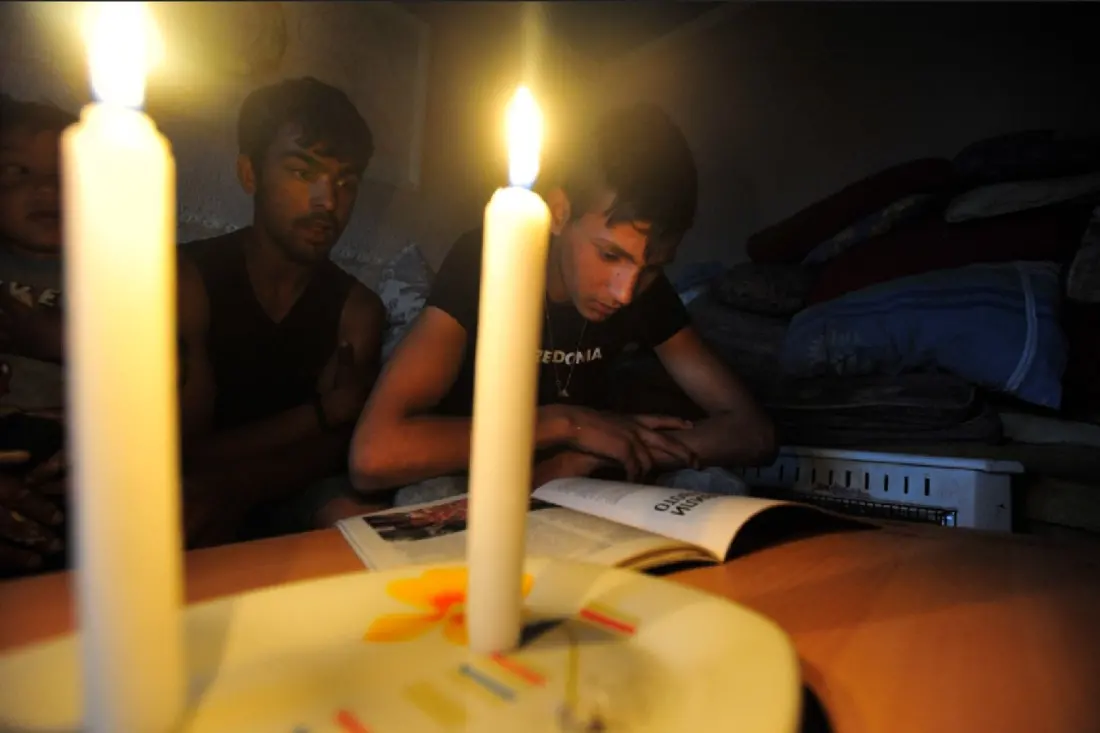
For travellers, the realistic scenario isn't a country plunged into darkness — it's localised power cuts and possible rationing, particularly outside the biggest cities. Hotels in Bogotá, Medellín and Cartagena generally have backup generators, but smaller guesthouses in rural areas or on the Caribbean coast may not. If you're travelling during the dry season, pack a power bank, keep devices charged when you can, and don't be surprised by the odd evening blackout. It's also worth factoring into plans that rely on electricity-dependent infrastructure, like cable cars in Medellín or remote ecolodges in the Amazon and Sierra Nevada.
None of this should cancel a Colombia trip — the country remains one of South America's most rewarding destinations, and the risk mechanism activated by CREG is preventive, not a signal that rationing has begun. But it's a good reason to build some flexibility into itineraries and to check local conditions close to departure. Watch how the 2026-2027 dry season develops: if reservoirs recover and delayed projects come online, the concern will fade quickly. If not, expect more frequent interruptions in smaller towns while the government scrambles to keep the lights on.