Millicom, the company behind Tigo, has committed 8.5 trillion Colombian pesos — about US$2.7 billion — to expanding telecommunications infrastructure in Colombia over the next four years. The spending follows its acquisition of control of both Tigo and Movistar, a deal that created the country's second-largest mobile operator behind Claro. Add the US$1.4 billion used to buy the stakes, and Millicom's total bet on Colombia comes to roughly US$4.1 billion. CEO Marcelo Benitez has called Colombia the group's most important strategic investment.
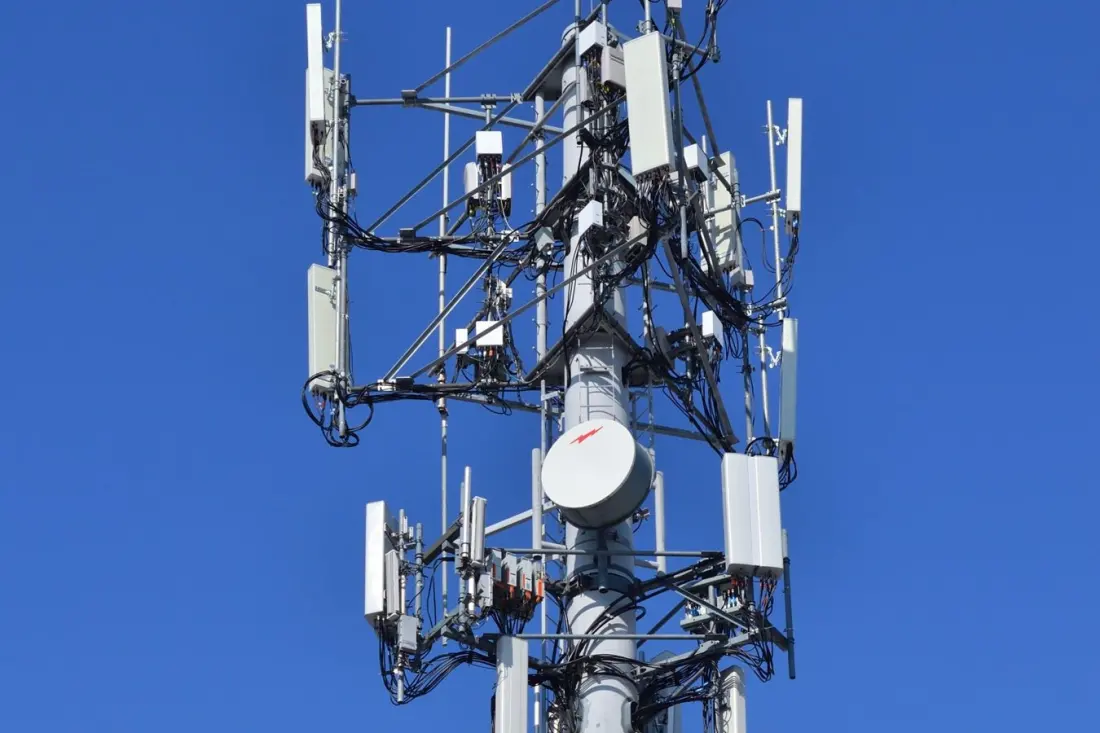
So what changes on the ground? Between 2026 and 2028, Tigo plans more than 5,000 mobile capacity upgrades and over 1,100 entirely new coverage sites. 5G coverage jumps from 128 to 324 municipalities, reaching 80% of Colombia's main cities. More than 492,000 rural residents who currently have no mobile signal at all are expected to get connected, with service improving for over 3 million people overall.
For travellers, the first new coverage locations read like a list of off-the-beaten-path destinations: Carmen del Darién, Riosucio and Medio Baudo in the Chocó jungle region; the Caribbean islands of Providencia and Santa Catalina; Tumaco on the Pacific coast in Nariño; and Paratebueno in Cundinamarca. More than 360,000 people live in those areas without mobile service today — a real consideration if you've ever tried to arrange a boat transfer or book a guesthouse from a town with no signal.
The integration itself was conditionally approved by Colombia's competition regulator, the SIC, on November 14, 2025. To protect competition, smaller operators like WOM and the virtual mobile networks get discounts of 11% to 46% on wholesale network access fees, with an independent auditor checking compliance. Existing Movistar customers don't need to do anything: plans, prices and contract terms carry over under the Tigo brand with no service interruptions.
The market context is interesting too. Tigo and Movistar combined now hold about 42.5% of mobile lines, but Claro still dominates 5G, carrying 68.4% of the country's 5G traffic versus roughly 16% each for Movistar and Tigo. This investment is clearly aimed at closing that gap. The combined Colombian business brought in around US$815 million in service revenue in the second quarter of 2026 — the jump over the previous year reflects the Movistar acquisition rather than organic growth.
Why should this matter for a holiday? Reliable data coverage shapes where you can comfortably travel independently in Colombia — Pacific coast beaches, San Andrés archipelago islands, Chocó eco-lodges. If these network rollouts land on schedule, some of the country's most remote and rewarding corners become considerably easier to navigate with a local SIM or eSIM in your pocket.