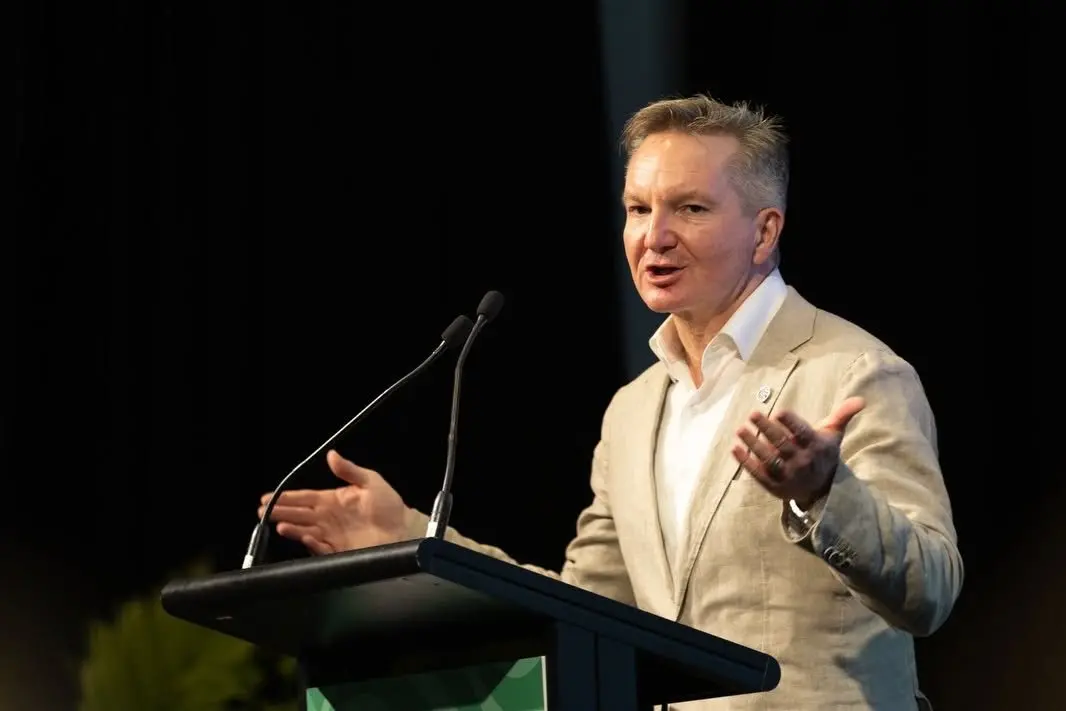
Australia's Climate Change and Energy Minister Chris Bowen has promised that COP31 — the UN climate summit Australia is shaping — will be built around Pacific priorities rather than simply recycling headline emissions targets. Speaking as he opened a regional knowledge exchange, Bowen said the conference would be about "implementation and acceleration", and that no voice matters more in that process than the Pacific's, a region that contributed little to global emissions but has the most to lose.
The pledge matters because Pacific concerns have historically been sidelined at COP talks. Bowen admitted their views have not been heard strongly enough in past rounds, and wants COP31 to lift up the experiences of vulnerable island states — not just in the Pacific but also the Caribbean and Indian Ocean. Three themes will get extra attention: climate finance, oceans, and the reality that the countries most needing adaptation money are often the ones that struggle hardest to access it.
There's a concrete signal of intent, too. A visit to Tuvalu is set to bring 34 leaders and influential figures — including presidents of multilateral development banks — to one of the world's lowest-lying nations, raising the profile of atoll states that face existential risk from rising seas. Bowen also pressed countries to follow through on renewable energy and efficiency pledges, and to push electrification alongside clean power build-out.
For travellers who love the Pacific, this isn't abstract diplomacy. The region's tourism future depends on coral reefs, coastlines and reliable weather — all directly exposed to warming. A COP that delivers adaptation funding and stronger ocean protection could shape everything from reef health in Fiji to coastal resilience in Vanuatu. Bowen framed it plainly: Australia and its neighbours "share a region, we share an ocean, and we share a future".
Getting more than 190 parties to agree on anything is notoriously hard, and Bowen didn't pretend otherwise. But he argued multilateral cooperation matters more than ever in a fractious geopolitical moment — and that a region long under-heard is finally being listened to. Anyone planning a trip to the islands in the coming years has a stake in whether that translates into real money and real protection on the ground.