A tiny Pacific island with a population of under 2,000 has come up with one of the most talked-about conservation finance ideas at COP31: selling sponsorships of its own ocean. Niue's scheme, called Ocean Conservation Commitments, lets anyone pay US$150 to protect one square kilometre of Niue's waters for 20 years, with the aim of keeping that protection in place permanently.
The numbers show it's working. Niue has 127,000 square kilometres of ocean up for sponsorship, and more than half of that has already been bought by supporters in 37 countries - individuals, businesses, philanthropists, governments and multilateral funders among them. Buyers get a certificate naming them guardians of Niue's conservation area, plus reports showing how their money is used.
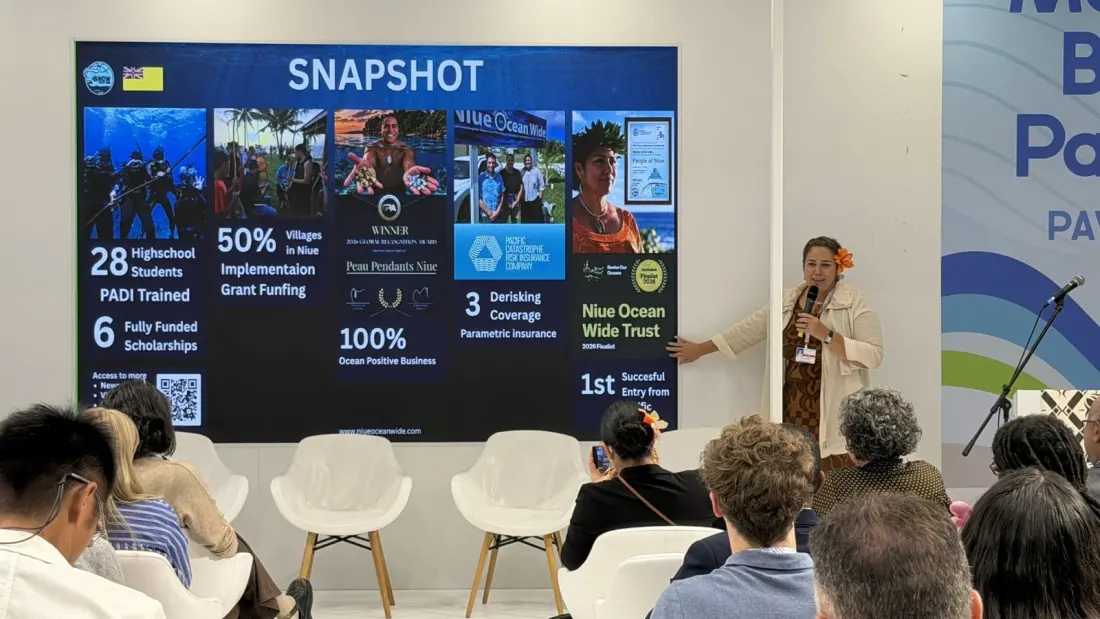
The cash flows through the Niue Ocean Wide Trust, which Coral Pasisi, vice president of the trust, explained at a COP31 session held at the Moana Blue Pacific Pavilion. Returns fund ocean protection, community resilience and opportunities for young people to work in the blue economy. Pasisi is refreshingly blunt about how the scheme came about: her team aren't financiers or academics, she said, but people who know the ocean - fishermen and fisherwomen who built something that actually works.
That homegrown model has now grown into something bigger. The Pacific Ocean Wide Ambition, or POWA, is a Pacific-owned and governed framework that aims to extend Niue's approach across the region, giving countries and communities direct, long-term financing for looking after their waters. It matters because the Pacific stewards roughly 28 million square kilometres of ocean, and the region is pushing at COP31 to get proper recognition and compensation for doing so. Niue's initiative has also been named an Earthshot Prize finalist.
For Pasisi, the motivation is deeply personal. The ocean, she says, was her childhood entertainment, her movie theatre and her pantry - the thing that paid for her education. If it isn't healthy enough for her kids and grandchildren to have that same relationship, she says, "we've failed."
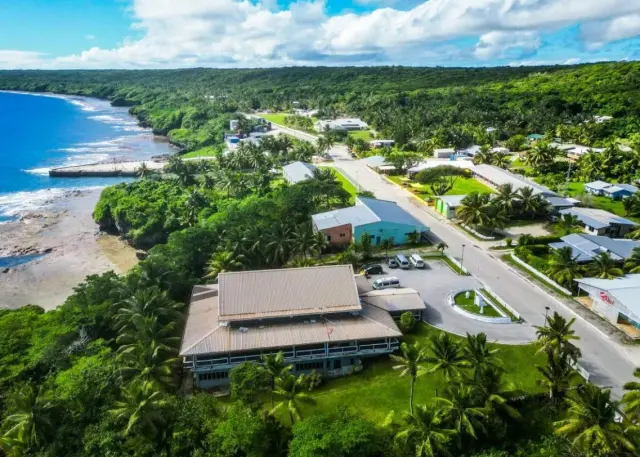
For travellers, the story is a nudge to look closer at Niue itself. It's one of the world's smallest and least-visited self-governing nations, a raised coral atoll east of Tonga with limestone caves, clear water, humpback whales between July and October, and few crowds. A visit supports a place that has turned conservation into its economic engine - and if you'd rather skip the long-haul flight, the OCC scheme means you can sponsor a slice of Niue's reef and rainforest-fed waters from your sofa.