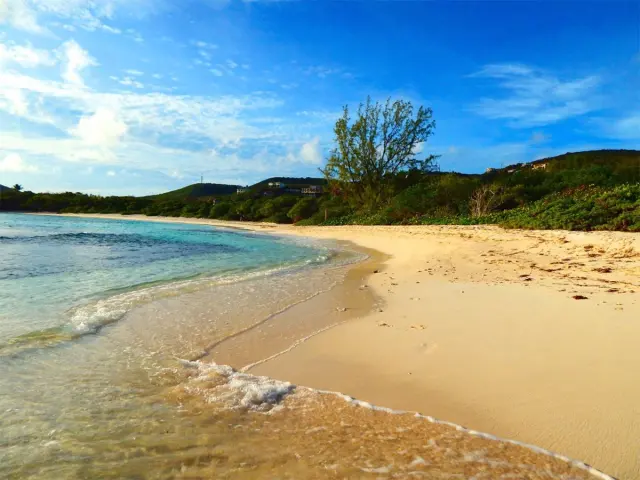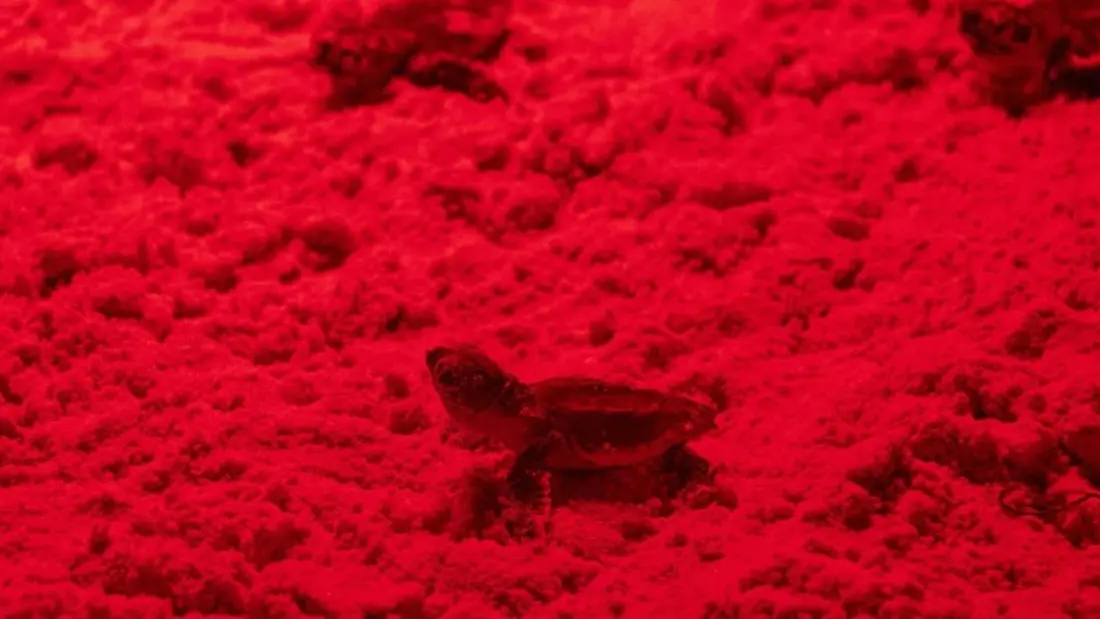
Cozumel has closed out a strong year for sea turtles. The island's Parks and Museums Foundation (FPMC) reports that its 2026 Sea Turtle Protection Program finished with 643 registered nests along island beaches — 565 of them green turtles and 78 loggerheads — and over 5,000 baby turtles safely making it to the sea.
The numbers come from monitoring at the Punta Sur Sea Turtle Camp, the protected stretch at the southern tip of the island where much of this work happens. Staff analysed a sample covering about 14% of the season's nests, a count that pointed to roughly 9,200 protected eggs, of which 5,363 hatchlings emerged and were released: 740 loggerheads and 4,623 greens.
The season follows the natural rhythm of the turtles. Nesting females start arriving around May, the eggs hatch through the summer, and everything wraps up by early November. In between, trained staff and community volunteers patrol the beaches, register and mark nests, move any that are at risk of flooding or disturbance, and then oversee hatching and the release of the young turtles. According to Rafael Chacón Díaz, who heads the foundation's conservation and environmental education arm, volunteers were central to keeping the programme running at this scale.
One quieter detail worth noting: crews also intensified beach cleaning in the nesting zones, hauling away 1,577 kilograms of solid waste — plastic bottles, Styrofoam, ropes, footwear and scrap metal — all of which can trap or harm turtles and other marine life. It's a reminder that turtle conservation is as much about what gets left on a beach as what gets done on it.
Why does this matter to travellers? If you've ever wanted to see sea turtles in the wild or even watch a hatchling release, Cozumel is one of the more accessible places in the Caribbean to do it, and the programme's success means future seasons should be just as active. The Punta Sur ecological park, where the turtle camp is based, is easy to reach from San Miguel de Cozumel and pairs well with the island's famous reef diving and snorkelling. If you visit between roughly June and November, you may catch the tail end of nesting or hatching activity — just remember that releases are managed by conservation staff, so go through official channels rather than trying to handle turtles yourself.
The takeaway for visitors: keeping Cozumel's beaches clean matters directly to the animals many people come here to see, and the island's conservation teams are clearly putting in the work.