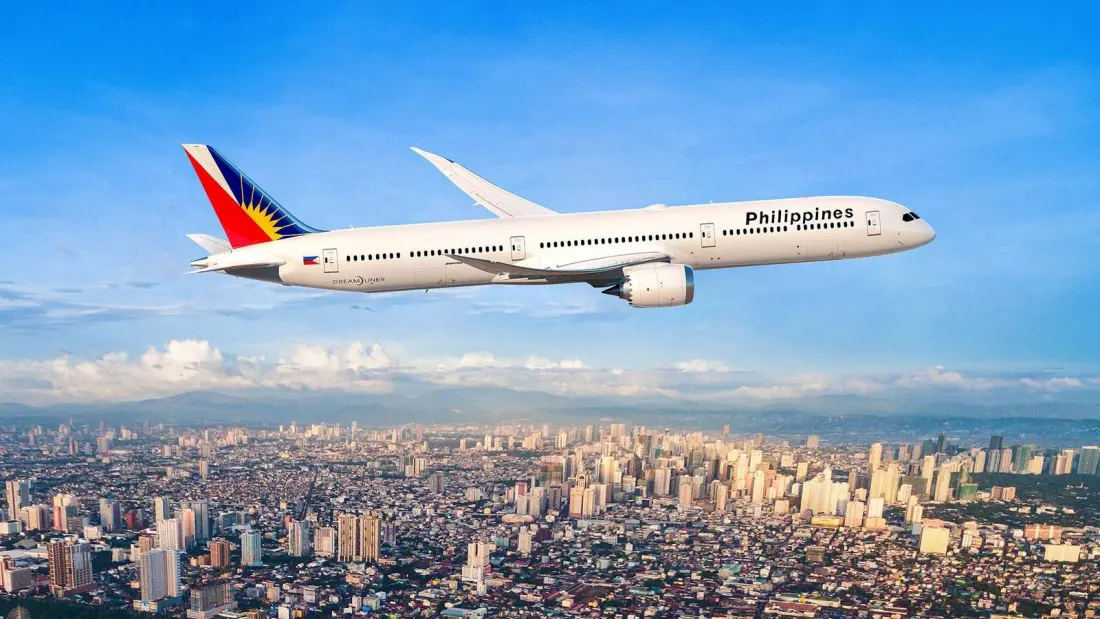
US President Donald Trump says he personally steered Philippine Airlines away from a bigger Airbus commitment and towards its recent $12 billion deal for Boeing 787 Dreamliners. Speaking at a White House news conference after his trip to Asia — which took in the ASEAN summit in Manila and a state visit with President Ferdinand Marcos Jr — Trump claimed the airline was "going to go to Europe" until he met its officials.
The deal in question was first signed as a memorandum of understanding at the Farnborough Airshow on July 20: 15 firm 787-10s plus purchase rights for five more, powered by GE Aerospace GEnx-1B engines. US officials value it at around $12 billion and say it supports up to 47,000 American jobs, though analysts peg the real value closer to $3.4 billion once standard discounts are applied.
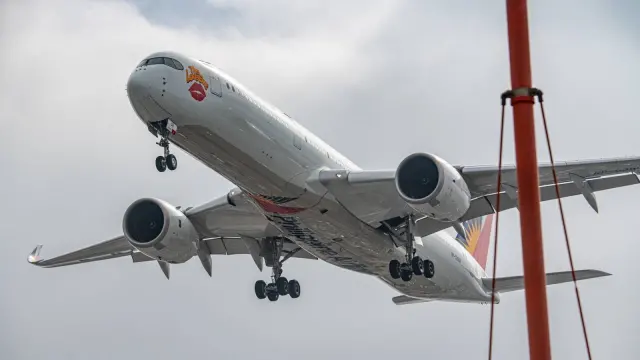
Here's the catch: the story is less dramatic than it sounds. Just days before finalising the Boeing commitment, PAL firmed up an order for nine more Airbus A350-1000s — part of a commitment for up to 18, four of which are already flying. So rather than switching sides, the airline is investing heavily in both manufacturers. Its 787-10s are slated for delivery between 2031 and 2034, while the new A350-1000s follow from 2034 to 2036.
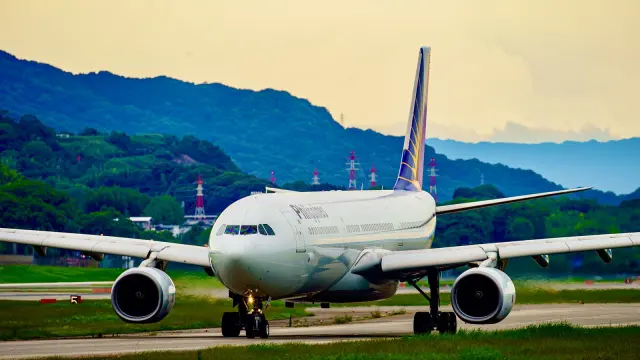
PAL President Richard Nuttall explained the Boeing choice in July, noting the airline had weighed up the A330neo but preferred larger aircraft. Cargo capacity on the 787-10 was a deciding factor as PAL plots long-haul growth — a useful signal for travellers watching the carrier's network plans, since bigger, longer-range jets usually mean new nonstop routes.
For context on where the fleet stands today: PAL operates more than 85 aircraft, roughly 65 of them Airbus, alongside ten Boeing 777s and De Havilland Dash 8 turboprops. It was the first Southeast Asian airline to fly the A350-1000, taking its first delivery in December 2025, and now has four in service. Those jets are earmarked for PAL's longest routes, particularly nonstop services to North America — the A350-1000 flying Manila routes today, and 787-10s likely filling similar roles in the 2030s.
The political framing is eye-catching, but for anyone flying to or from the Philippines the practical takeaway is simpler: a major fleet renewal on both sides of the aisle, with modern widebodies arriving over the next decade. Expect better fuel efficiency, more premium seating options and potentially more US routes as the A350-1000s and, later, 787-10s work through the fleet. Frequent PAL flyers should keep an eye on which aircraft type is assigned to long-haul routes — the A350-1000 is a meaningfully different onboard experience to the older 777s it supplements.
Whether Trump's chat genuinely swung the deal or PAL simply spread its bets between Boeing and Airbus is a matter of interpretation. What's clear is that one of Southeast Asia's most globally minded carriers has locked in widebody capacity well into the 2030s — with Airbus and Boeing both taking a slice.
Via Simple Flying.