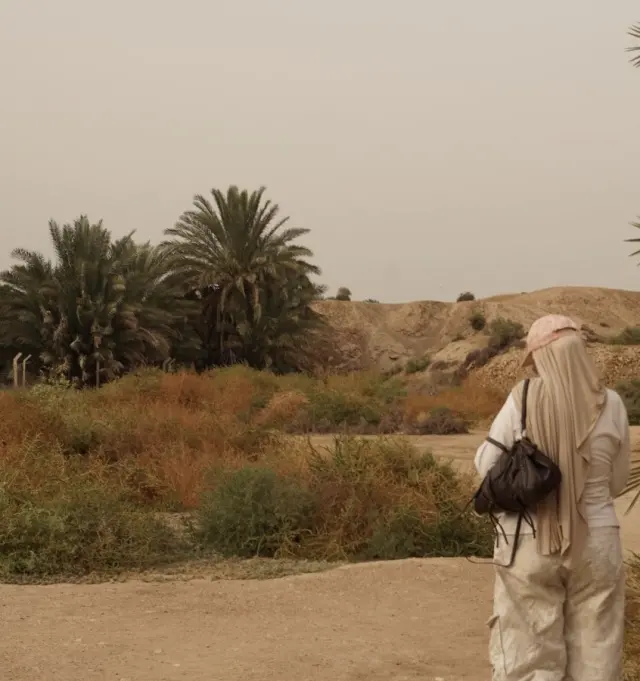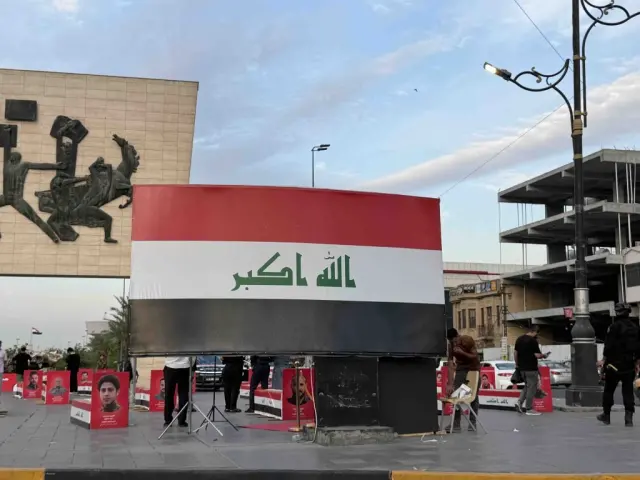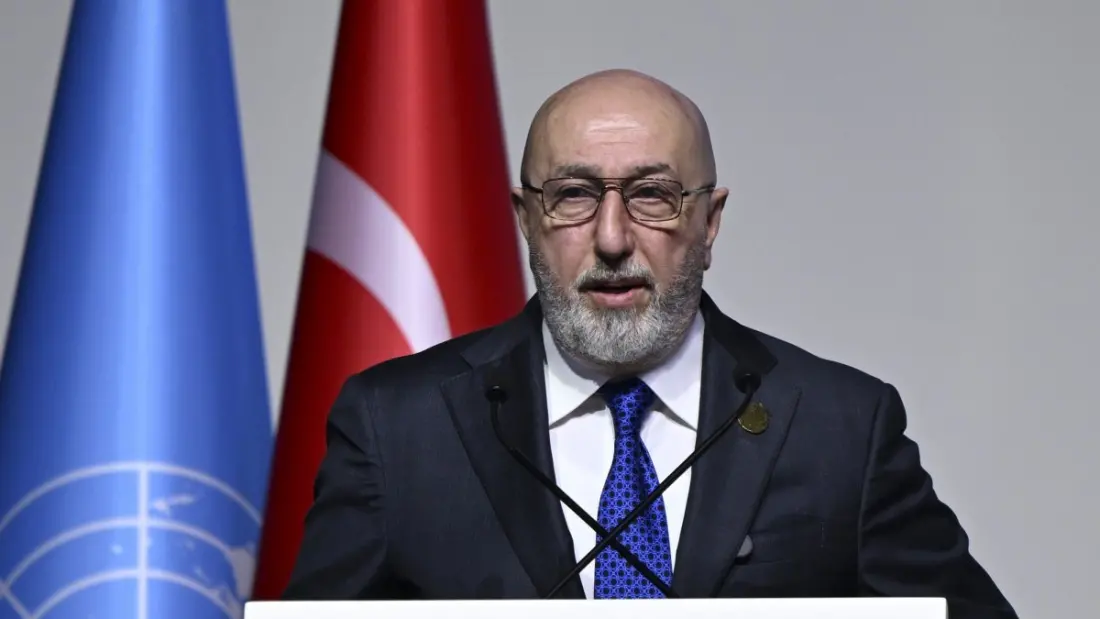
Iraq's agricultural heartland is shrinking fast. President Nizar Amidi told the COP31 climate conference in Antalya that the country has lost more than half of its farmland, with desertification rising at an unprecedented rate. For a nation once defined by the fertile lands between the Tigris and Euphrates, it is a stark marker of how quickly climate pressures are reshaping the region.
The damage is not just statistical. Amidi said roughly 20,000 people have already been forced from their homes after losing their livelihoods, and that shifting conditions have disrupted ecosystems to the point where birds are abandoning historic habitats in Iraq's celebrated marshes and plains. Those marshes — a UNESCO World Heritage site and one of the region's most distinctive natural and cultural landscapes — are among the most visible casualties, which matters for anyone who has dreamed of seeing them.
Iraq's capacity to respond has been worn down by successive wars and years of economic and political instability, the president argued, and international climate funding over the past decade has fallen well short of what the country needs. He pressed for the Fund for Responding to Loss and Damage to be activated and for vulnerable countries to get easier access to green finance without bureaucratic obstacles.
There were some concrete commitments alongside the warnings. Iraq has updated its national climate plan through 2035 and remains committed to the Paris Agreement. Gas flaring during oil production has been cut by 75%, with routine flaring targeted to end by 2030. Renewable capacity has reached 1,430 megawatts, with a goal of 14,000 megawatts by 2030. A newly signed seawater treatment contract aims to supply 5 million barrels of treated water a day for oilfield drilling and injection, easing pressure on rivers and groundwater. A national tree-planting fund to fight desertification is also in the works.
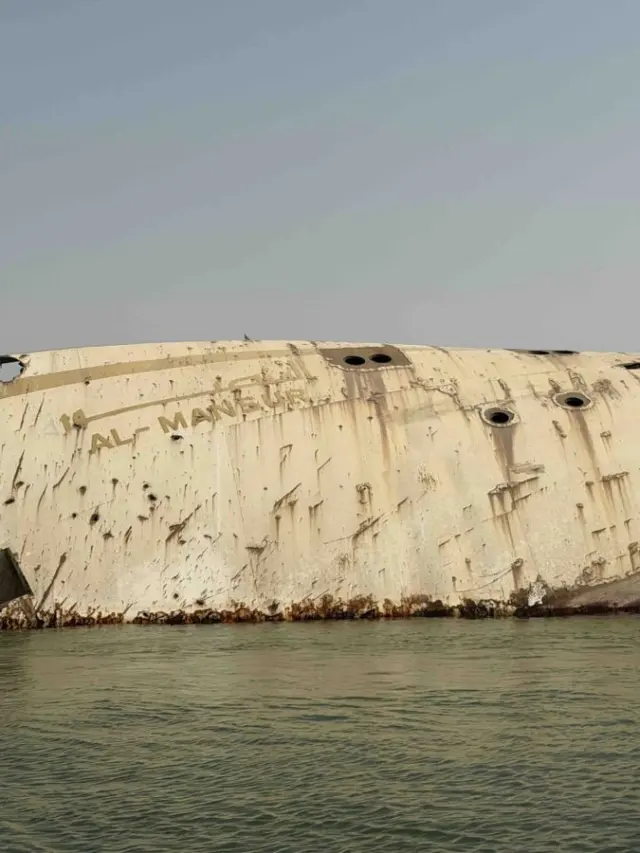
For travellers, the takeaway is mixed but worth understanding. Iraq is slowly opening up to tourism, and southern highlights like the Mesopotamian Marshes, Ur and Basra's waterways are central to its appeal. Climate stress — water scarcity, displacement and land loss — is already altering those places and the communities that host visitors. Responsible travel here means going with local guides, spending in ways that support remaining communities, and understanding that conditions on the ground can change with water levels and seasons.
Whether the international support Iraq is asking for arrives will shape not just its farms but its future as a place worth exploring.