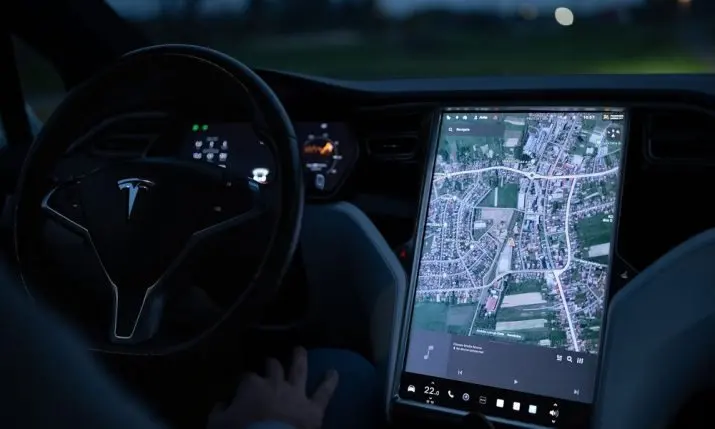
Croatia has given Tesla the green light to roll out its Full Self-Driving (Supervised) system, making it one of the latest European markets to authorise the closely watched driver-assistance software. Tesla confirmed the approval on Tuesday, announcing that implementation would begin soon, though without a specific launch date.
The key word here is "supervised". Despite the name, FSD does not turn a Tesla into a fully autonomous car. The driver stays legally responsible at all times, must keep paying attention to the road and needs to be ready to take over whenever the system needs help. Croatian drivers will not be able to sit back and let the car do everything — regulators have made that distinction clear as they continue weighing how advanced automated systems should behave on public roads.
Croatia's move fits into a wider European rollout that has been gradual rather than dramatic. Several countries have approved the system during 2026, and Tesla's own European arm celebrated the Croatian decision with a social media post announcing the imminent rollout. Each national approval matters because the functions available to owners depend heavily on what local regulators allow, so Croatian Tesla owners have until now been locked out of capabilities their American counterparts take for granted.
For anyone planning a road trip along the Dalmatian coast or inland to Plitvice, this is worth keeping an eye on — especially if you're picking up a Tesla rental. Driver-assistance features that handle highway cruising could make long transfers, say Zagreb to Split or the run down the A1 motorway, noticeably easier. Just don't expect a chauffeur: Croatian rules require the human behind the wheel to remain engaged, and that won't change under this approval.
The bigger picture is that European regulators are actively shaping how sophisticated automated driving will work across the continent, balancing innovation against questions of driver supervision and safety. Croatia signing off on FSD Supervised signals it wants to be part of that future rather than wait on the sidelines. For travellers who enjoy driving abroad — or simply want their transfer to the airport to involve less stop-start stress — it's a small but telling sign of where motoring in Europe is heading.