Airport lounges get a lot of hype, but the bar for what counts as "good" varies wildly depending on how you got in. A new editorial breakdown sorts lounges into three tiers — Priority Pass and membership lounges, long-haul business class lounges, and long-haul first class lounges — with different expectations for each.
The baseline is surprisingly modest: a relatively quiet seat, Wi-Fi, somewhere to charge a phone, a clean bathroom, and coffee or water. Everything else is a bonus. And here's the uncomfortable truth — crowded lounges can actually be worse than the terminal itself. Free Wi-Fi is now standard at most airports, gate areas have plenty of outlets, and you can usually find an empty gate to relax in. The dealbreaker isn't a lack of amenities; it's the person next to you on a speakerphone call. If a lounge is so packed that entry gets denied to paying members, it has already failed at its core job.
For the entry tier — Priority Pass, contract, credit card and membership lounges — just getting in reliably and finding a seat is the win. What elevates one? Proper showers, bathrooms better than the terminal's, workstations, hot food, decent coffee, and staff who seem pleased you're there. Standouts in this category include Capital One's lounge at Dallas-Fort Worth (cold brew on tap, grab-and-go food) and Chase Sapphire's LaGuardia outpost with à la carte dining and spa treatments. The Primeclass Lounge at Muscat is held up as the best Priority Pass option thanks to features like nap rooms, while Delta Sky Clubs set the quality bar for membership lounges — with the catch that they're often the most crowded.
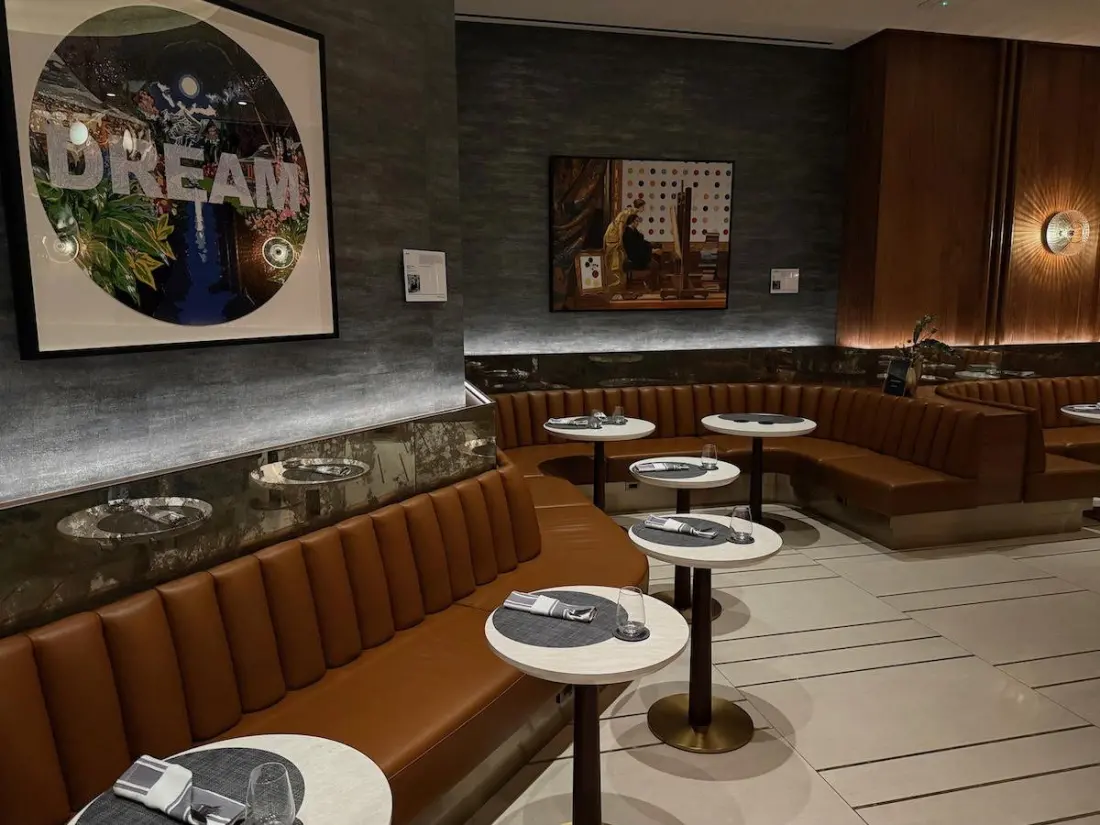
Purpose-built international business class lounges should add hot food, a serious drinks list, showers and work areas as standard. The differentiators are à la carte dining, nap rooms, barista coffee and genuinely elevated design. North America does surprisingly well here: Delta One Lounges are rated among the world's best business class facilities, United Polaris Lounges offer nap areas and shower suites, and Air Canada's Signature Suites in Toronto and Vancouver arguably serve the best lounge food anywhere.
First class lounges are a different sport entirely. The expectation is restaurant-quality à la carte dining, individual nap rooms, spa treatments, tranquility, and — crucially — a ground experience that extends beyond the lounge walls, like tarmac transfers or a personal escort to the gate. That last part is where most airlines fall short. The two names that keep coming up as world-best are Air France's La Première lounge in Paris and Lufthansa's dedicated First Class Terminal in Frankfurt.
Why does this matter for travellers? Because it helps you calibrate what you're actually paying for. If your access comes via a credit card or Priority Pass, a quiet seat and a hot shower is a genuinely good outcome. If you've flown first class, you should demand more — and knowing which lounges deliver means you can plan connections, and even routes, around them. The other takeaway: don't treat lounge access as automatically better than the terminal. On a packed evening, a deserted gate with outlets and headphones may beat a shoulder-to-shoulder club any day.