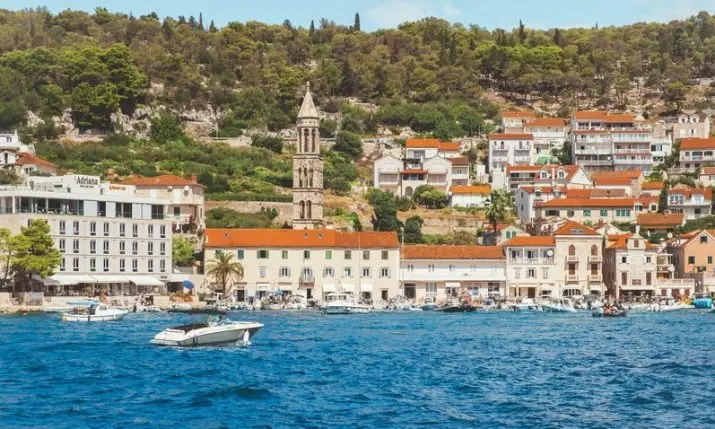
Croatia's islands are famous for turquoise coves, lavender fields and packed July beaches — but the government now has a different pitch: pack up and actually live there. The Ministry of Demography and Immigration has launched a campaign called 'Biram otok' ("I Choose an Island"), aimed at convincing families, young people and the Croatian diaspora that the islands can be a full-time home, not just a two-week summer escape.
Launched in Zagreb in late November 2026 and running until the end of December 2026, the campaign targets three groups at once: islanders who have left and might come back, residents who are thinking of leaving and could be persuaded to stay, and newcomers considering a fresh start in an island community.
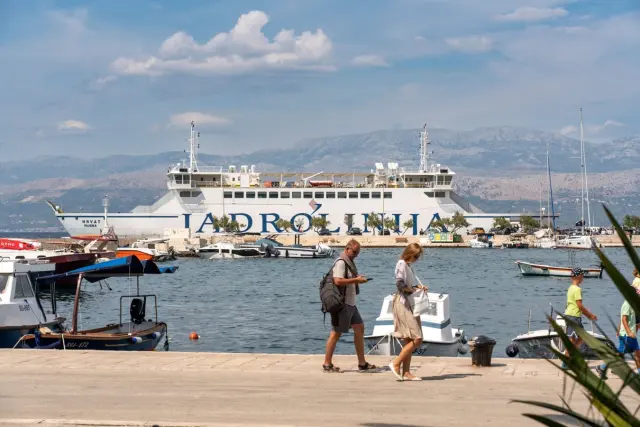
What's behind the push? Croatia, like much of southern Europe, has a demographic problem — island populations in particular have thinned out as young people head for the mainland cities or abroad. The Ministry points to steady improvements in the realities of everyday island life: better infrastructure, improved ferry and transport links, and wider access to public services. It's also being upfront that challenges remain, which is arguably what makes the campaign more credible than a glossy brochure approach.
The storytelling is the main vehicle. A series of videos on social media features personal accounts from people who have returned to island life, alongside those who never left. Influencer Domagoj Jakopović — better known to Croatian audiences as Ribafish — is involved to help the message land with younger viewers. The campaign will also spotlight community associations working with children and young people, and profile successful local-government schemes designed to attract and keep residents. Those measures include cash payments for newborn babies, subsidised kindergarten places, relocation incentives and targeted support for young families.
Three islands serve as the case studies: Rab, with its sandy northern beaches and medieval old town; Lastovo, one of the country's most remote and protected islands; and Korčula, the vineyard-covered island in the south with a claim to being Marco Polo's birthplace. Demographic indicators for individual islands will be presented alongside personal stories, so the numbers and the human side sit together.
The Ministry's core message is simple: Croatia's islands have a future, and that future depends on people choosing to live on them.
Why should a traveller care? Two reasons. First, if you've ever daydreamed about a slower life on an Adriatic island — or a remote-work stretch that turns into something longer — the government is actively rolling out financial and practical incentives for exactly that, and the campaign's videos will give you an honest look at year-round island life, ferries and off-season weather included. Second, communities that keep their schools, kindergartens and shops open year-round are the ones where visitors get the authentic version of a place, not a resort that shuts down in October. Watch this campaign's social feeds for a rare insider view of island Croatia beyond peak season.