Ljubljana has just been named one of the European Capitals of Tourism for 2027, topping the category for cities with over 100,000 residents. The European Commission singled out its resident-focused initiatives and an ambitious programme of events planned for 2027. Translation: the Slovenian capital is about to get a lot more attention, so there's a case for going now, before the crowds catch on.
The city's social centre of gravity is the Ljubljanica River. Its embankments are lined with outdoor café seating, and the banks themselves are an archaeological site with finds stretching from prehistory through Roman times to the early modern period. In summer you can explore the centre from the water on a stand-up paddleboard or a guided kayak tour.
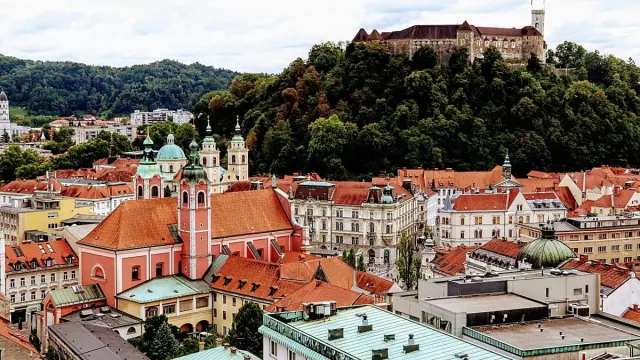
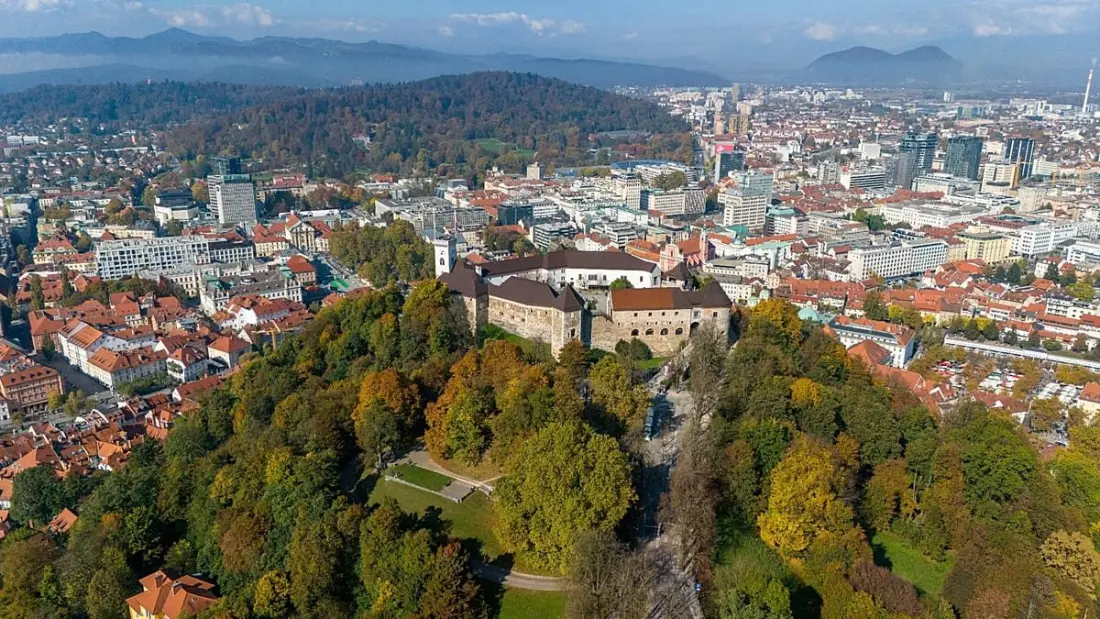
Ljubljana is compact and its old town is largely car-free, which makes it easy to cover on foot or by bike. Base yourself at Prešeren Square, with its monument to the national poet, and the Triple Bridge next door. The Central Market, set within a handsome colonnade, sells local cheeses, dry-cured meats and flowers, with a fish market and small restaurant inside. Above it all, Ljubljana Castle sits at 400 metres on Castle Hill — roughly 900 years of history, now hosting exhibitions and cultural events year-round.
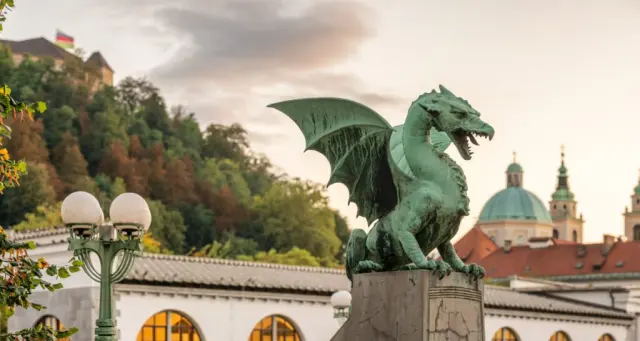
Architecture fans should book a slot at Plečnik House, the preserved home of Jože Plečnik, the designer behind the National and University Library and the Church of St. Michael, with his sketches, models and unrealised projects on display. Art lovers can head to the National Gallery, home to nearly 600 works spanning the High Middle Ages to the 20th century, including a permanent Zoran Mušič exhibition. And no visit is complete without a photo of the Dragon Bridge, built in 1900–1901 and guarded by four dragon statues.
Accommodation spans everything from luxury to livestock. The InterContinental Ljubljana has 165 rooms, including a 19th-floor suite with castle views, fireplace and private sauna. A more rustic option is Pri Lazarju, a 300-year-old tourist farm outside the city where guests can help with barn and pasture work and hike the Borovničeva trail. Budget travellers can pitch up at Ljubljana Resort Hotel & Camp, the capital's only campsite, five kilometres north by the River Sava, with a pool, beach volleyball and fly fishing.
Eat like a local in a gostilna, one of the family-run restaurants serving classic Slovenian fare. The 'typical Ljubljana lunch' — boiled beef tongue, bleki noodles in soup, and Vodnik's lamb's lettuce salad from Slovenia's first cookbook (1799) — has barely changed since the 19th century. If you're visiting between March and October, time your trip for a Friday: the Odprta kuhna open-kitchen market in Pogačarjev Trg Square brings together Slovenian and international food stalls. Serious eaters should note the city has 20 Michelin Guide selections, with Gostilna na Gradu in the castle courtyard flagged as worth queuing for.
For travellers who like walkable cities, riverside cafés and hearty food without Western European prices, Ljubljana ticks a lot of boxes — and 2026 is the sweet spot to see it before the 2027 spotlight arrives.