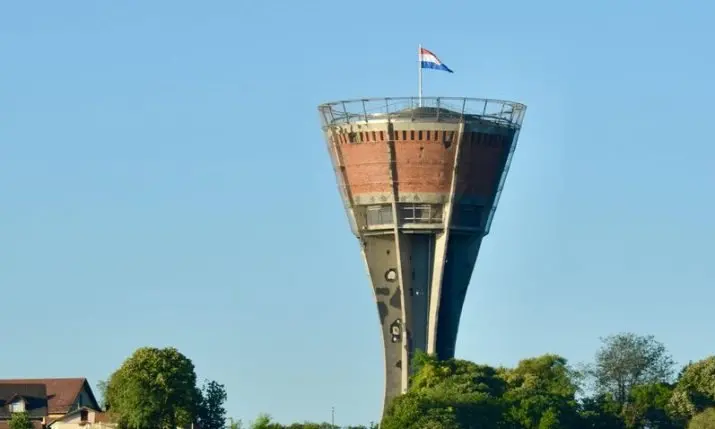
Strasbourg marked a heavy anniversary this week. On Thursday 26 November, the European Parliament adopted a resolution commemorating 35 years since the fall and destruction of Vukovar, the Croatian city on the Danube whose destruction in 1991 became one of the defining images of the Croatian War of Independence.
The resolution does several things at once. It honours those killed in the siege, condemns the ongoing glorification of convicted war criminals, and frames Vukovar's memory as part of Europe's shared history — a reminder, in the Parliament's words, of why peace, human rights and European values need protecting. Its most concrete demand is directed at Serbia: open the relevant archives and cooperate in tracing people who vanished during the conflict.
That last point carries real weight. Croatia is still searching for 1,725 people missing from the Homeland War, and a significant share of those cases are tied to Vukovar and the wider Croatian Danube region. Families of the missing and of former concentration camp prisoners travelled to Strasbourg to watch the vote in person, and they have welcomed the resolution as a step toward answers about their relatives.
The vote wasn't a Croatian-only affair. Every Croatian MEP signed the resolution, joined by five colleagues from Sweden, Germany, Spain, Austria and Belgium. It passed by a large majority and came shortly after Croatia marked the anniversary of the city's fall on 18 November.
For travellers, Vukovar itself is worth understanding, not just reading about. The city has become a place of remembrance — the Vukovar Memorial Cemetery, the water tower that still stands as a symbol of the siege, and the Memorial Museum in the rebuilt Eltz Castle all tell the story of 1991. This resolution matters to visitors because it shows that the city's memory is now part of official European history, not a local footnote, and that questions about the war's missing remain open. Anyone pairing a Danube trip through eastern Croatia — Vukovar sits near Vinkovci and Ilok, in the country's wine-growing east — will find the context useful for visiting its memorial sites respectfully.
Story reported by Croatia Week.