Kyrgyzstan is running its electricity system at record levels this autumn, and that has real consequences for anyone planning a winter trip to the mountains or along the Silk Road routes.
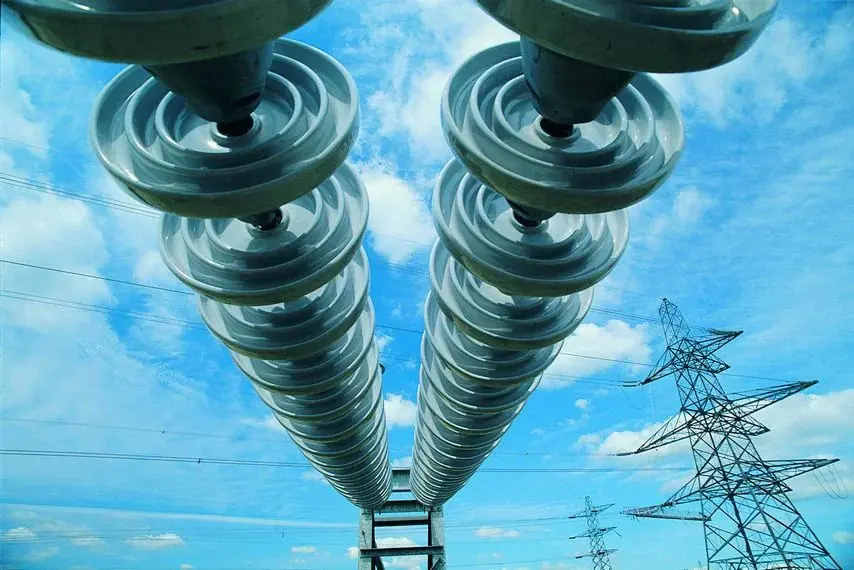
The country's grid operator, the National Electric Network of Kyrgyzstan (NENK), reports that daily consumption hit 64,391 million kilowatt-hours in early November. The all-time peak came on October 30, when demand reached 66,022 million kilowatt-hours. Even after a modest dip of about 2.5 percent from that high, officials say the system remains heavily loaded.
The scale of the jump is striking. On October 30 last year, households and businesses used just 51,131 million kilowatt-hours — meaning demand has climbed by nearly 29 percent year on year. NENK attributes the surge to falling temperatures, with consumption spiking in the mornings and evenings when heating and household appliances are switched on at the same time.
Officials are asking residents not to run several high-powered appliances simultaneously during peak hours and to use electricity sparingly so the grid stays stable through the autumn-winter season.
Why should travellers care? Kyrgyzstan's power system has long been stretched in winter, historically leaning on hydroelectric generation and imports from neighbours when demand outstrips supply. Periods of record consumption can bring scheduled blackouts or voltage drops, particularly in provincial towns and rural areas outside Bishkek. Guesthouses in places like Karakol, Cholpon-Ata or the Song Kol region may rely on space heaters and hot water boilers — exactly the kind of equipment that strains the network on cold evenings.
Practical takeaways for a winter visit: pack a power bank and a torch, expect that lights or heating in a small hotel might flicker off briefly at peak times, and plan long journeys with buffer time in case timing shifts. In Bishkek, larger hotels are less exposed, but rural homestays and yurt camps are a different story. If your trip involves trekking or staying in remote valleys, confirm with your host what backup heating they have — many guesthouses still cook on wood stoves, which actually works in your favour when the grid wobbles.
The bigger picture for travellers: winter tourism in Kyrgyzstan is growing, with ski areas like Chunkurchak and Karakol drawing more visitors each season. More visitors means more demand on a system already at its limits, so a little flexibility goes a long way. Spring and autumn trips — when temperatures are milder and the grid is under less pressure — remain the sweet spot for comfort, even if the winter snow scenes are undeniably worth the odd candlelit dinner.