A Chicago-to-Los Angeles flight was minutes from cancellation when its crew finally arrived — and the gate broke into applause. That's the scene a travel blogger recently described after an American Airlines evening departure from Chicago O'Hare turned into a textbook rolling delay saga.
The flight was scheduled to depart at 7:10pm. Passengers got an afternoon text pushing it to 8:15pm, which seemed manageable. But from there, the departure time kept slipping: 8:45, 9:00, 9:30, 10:15, 11:30, then 11:55pm. The strange part? The Airbus A321 was sitting at the gate the whole time, having arrived at 7:45pm. The missing ingredient was the crew.
An Admirals Club agent pointed at her screen and confirmed it: no pilots assigned to the flight. That baffled the writer, given that O'Hare is a major American hub — surely reserve Airbus pilots existed somewhere in the building. Meanwhile, the gate area grew hostile. The agent there candidly told passengers he expected the flight to cancel outright, and American's other evening LAX departure was similarly stuck.
The turning point came when pilot positions suddenly appeared in the system — filled by two crew members being flown in from Dallas. And even then, nothing was guaranteed: under overtime rules, the pilots had the option to decline the assignment. A hotel room was offered to anyone who wanted to rebook for the next morning, though not a particularly nice one, as the agent put it.
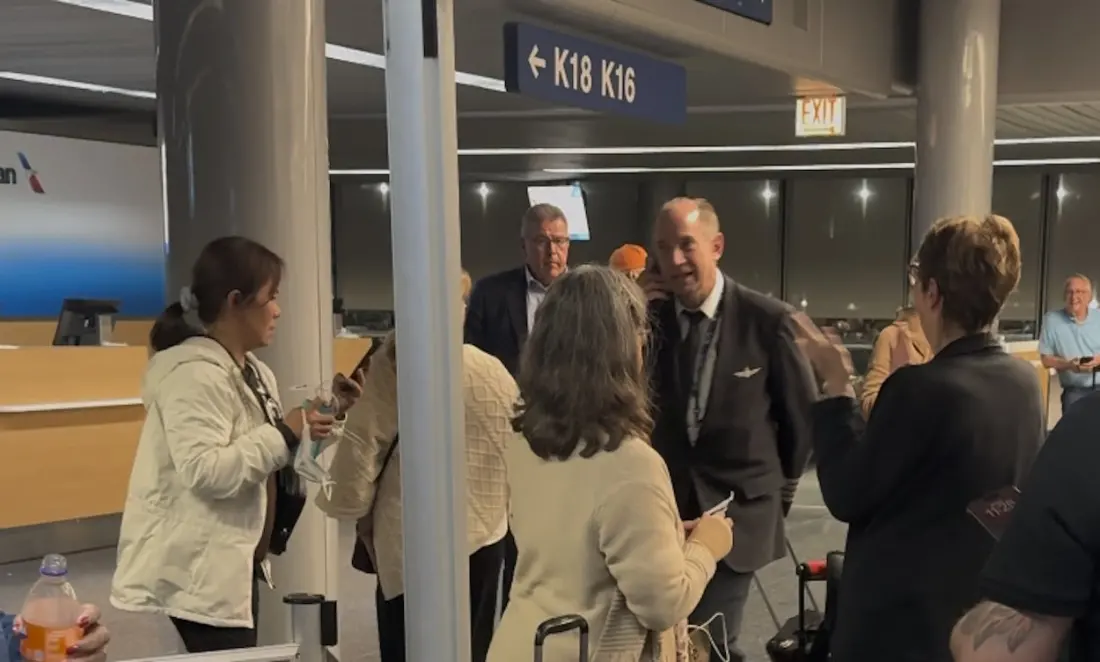
Around 11:15pm the Dallas feeder flight pulled in. A first officer rounded the corner and the entire gate area erupted in cheers — someone shouted "Are you our pilot?!" and got a thumbs up. The captain arrived to a second round of applause. Boarding began and the flight finally left, very late but airborne.
There was a silver lining for those who stuck it out. So many passengers had bailed to rebook that the writer scored a gate-level first class upgrade minutes before boarding, complete with a salmon dinner and a couple hours of sleep on the leg to LAX.
Why does this matter to regular travellers? Rolling delays are one of the most frustrating patterns in US domestic flying: each new departure time is late enough to keep you hopeful, never late enough to trigger an automatic cancellation or meaningful compensation. The practical lessons here are worth keeping in your back pocket. Watch the aircraft, not just the app — if the plane is at the gate but the time keeps slipping, the problem is likely crew positioning. Lounge and gate agents can often see crew assignments on their screens, and asking directly can give you a far better read than the posted departure time. And if a cancellation looks imminent, weigh the hotel-and-rebook offer against the odds the flight actually goes — here, staying put paid off with both the flight and a first class seat.
As for American, the writer's verdict was blunt: the airline has promised better delay communication and more accurate departure predictions based on aircraft positioning, but this incident suggests it still has work to do. Credit: Live and Let's Fly