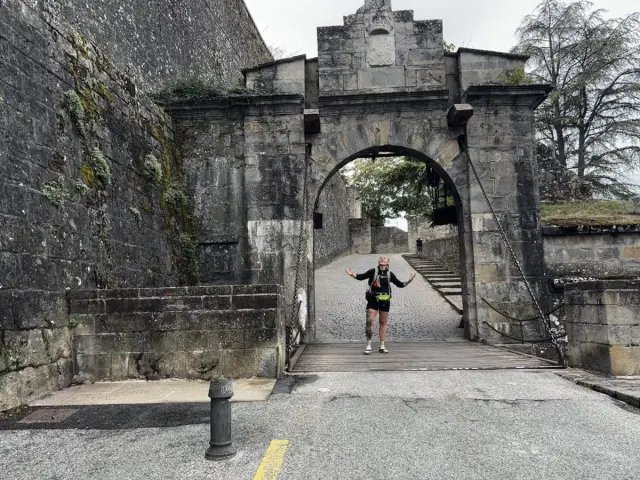
Somewhere past Roncesvalles, on day nine of a walk along the Camino de Santiago, the trail stopped being just a long hike and turned into something closer to a treasure hunt. That's the theme running through the latest diary entry from The Trek, where pilgrim Marley Kreiser describes an autumn morning in Spain's Basque Country and a day spent spotting symbols she'd only read about.
The morning started dark and cold in forest outside Auritz-Burguete, where a mural features a sorgina — a Basque witch. Later, in Burguete village, Kreiser found an eguzkilore, the dried Carline thistle that families once hung on doorways as a protective charm. Add the lauburu, the swirled Basque good-luck cross she kept photographing in town after town, and you get a sense of how much culture is embedded in this stretch of the route.
But the day was also about people. Three fathers she'd shared a bunkroom with caught up with her on the trail, and the trio walked for hours together — swapping life stories, hunting for more eguzkilore, and riffing that they were "solving the world's problems." That easy, instant kinship with strangers is one of the Camino's real draws, and this entry captures it well.
Lunch was a proper Basque reward: a bocadillo of txistorra, a paprika-spiked local sausage, with cheese in Zubiri, where many pilgrims called it a day. Kreiser pushed on another 5.5km to the quiet village of Larrasoaña and the Albergue San Nicolas, then settled into simple rituals — a first shower in days, hand-washing clothes in the sink, cooking her own pepper-and-tuna dinner.
One idea from the piece is worth stealing even if you never set foot on the trail: the "speed exercise". Following Paulo Coelho's The Pilgrimage on audio, she tried walking at half her normal pace — hard at first, but it sharpened everything. Horse neighs, architectural details, shades of green in the fields. It's a nudge for any traveller who tends to rush.
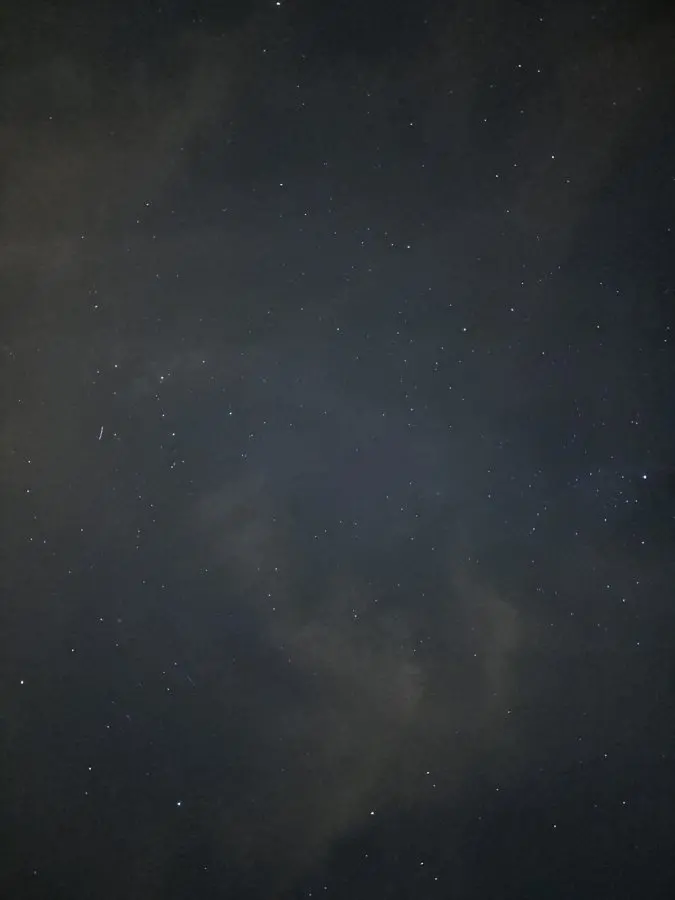
The day closed with a first Camino dream, a list of self-set lessons (let yourself be surprised, accept the gifts, keep walking), and a clear view of the Milky Way over Larrasoaña, where light pollution is low enough that the stars genuinely show up. For pilgrims, following the Milky Way has long been part of the route's mythology.
Why does this matter if you're planning a trip? The Camino Francés through Navarre isn't just a fitness challenge. It's a slow-moving introduction to Basque and Navarrese culture — food, symbols, villages and night skies you'd never encounter from a car. The stage between Roncesvalles and Pamplona is gentle by mountain standards, too, which makes it a good entry point for first-time long-distance walkers. Albergues like San Nicolas offer cheap beds, outdoor washing lines and the kind of garden furniture you dream about after a full day on your feet. Bring good boots, pack light, and don't skip the txistorra.
The Trek