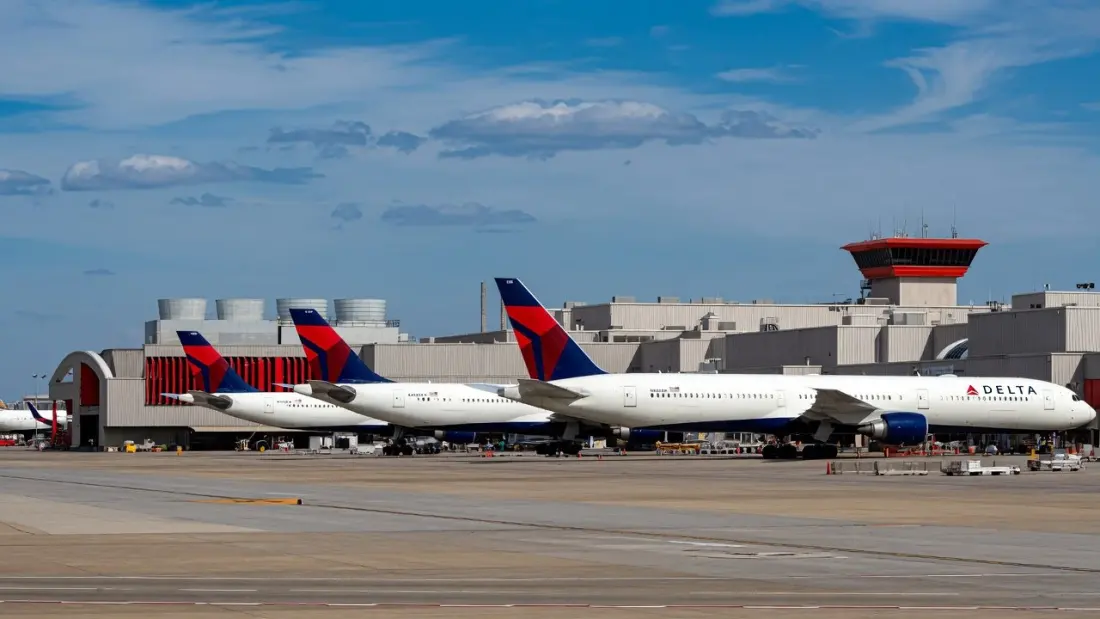
Delta added a seasonal Detroit-Reykjavik route only after Icelandair launched it at Delta's Michigan hub. The logic looked thin from the start: two carriers on a thin transatlantic leisure route rarely works. Icelandair gave up first, ending service this year, and travellers might reasonably have expected the route to settle into a comfortable monopoly for Delta. Instead, once the competitor was gone, Delta pulled the flight too and redeployed the aircraft to Boston-Reykjavik.
That sequence - enter only to block a rival, exit once the rival is gone - is what airline analysts call strategic flying, and it's a familiar pattern at Reykjavik specifically. Back in 2018, when Icelandair and the since-folded WOW air announced Dallas-Fort Worth service, American Airlines jumped in with its own Dallas-Reykjavik flight, even floating the idea of going year-round. Then Icelandair and WOW pulled out, and American followed. Three airlines on the route dropped to zero, and American moved its Iceland service to Philadelphia. A leaked recording of an employee town hall caught then-CEO Doug Parker explaining the playbook plainly: if someone starts flying from Dallas, American will be there, because it won't let customers have another option out of its hub.
There is a defence of Delta worth noting. Icelandair was never just selling Detroit-Reykjavik seats - its real product was connections across Europe, giving Detroit travellers a non-Delta one-stop option to dozens of cities. That said, Detroit passengers already had plenty of alternatives: connections through Chicago, Newark or Washington Dulles on United, or Detroit-Frankfurt and onward across Europe with Lufthansa. One more competitor was a nice-to-have rather than a lifeline.
The longer-game effect is the one that actually costs travellers money. When a dominant hub carrier makes a habit of matching every entrant, future airlines simply stop trying. A carrier weighing Detroit knows Delta will respond, may not bother launching at all, and fares drift up and choices shrink - without Delta having to fly a single blocking flight next time. Competition arriving today can paradoxically mean fewer options tomorrow.
For holidaymakers, the practical takeaway is blunt: if a new nonstop from your home airport looks too good to last, book it while it exists and don't assume it will still be there next summer. Hub cities get generous service when an airline feels challenged, and the timetable can be rewritten the moment that pressure disappears. Anyone in Detroit still set on Iceland will need to connect - or watch for whichever carrier tries next, and how quickly the incumbent reacts.