Lai Châu, one of Vietnam's most remote northwestern provinces, is betting big on tourism — and visitors are responding. The province recorded more than 1.9 million arrivals in the first nine months of 2026, roughly 75,000 of them international, generating nearly VNĐ1.65 trillion (about US$63.5 million) in revenue. Officials are targeting another 400,000 visitors and VNĐ320 billion in revenue before the year ends.
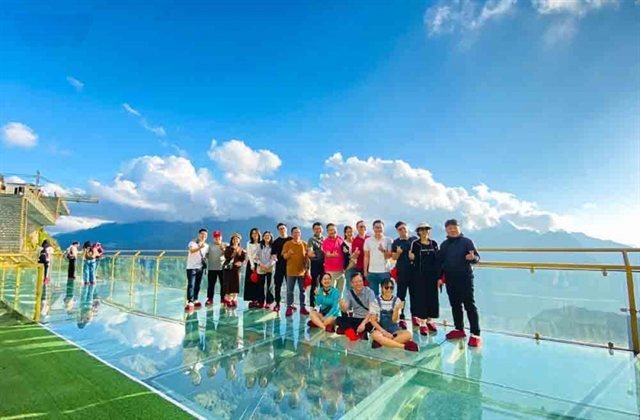
The headline attraction is Ô Quy Hồ Pass, often called one of Vietnam's most spectacular mountain roads. At its summit sits the Rồng Mây Glass Bridge complex, where travellers walk above rolling ranges wrapped in drifting cloud. The pass area is being developed as an eco-tourism hub combining viewpoints, dining and cultural programming rather than just a photo stop on the way through.
What sets Lai Châu apart from better-known highland spots like Sa Pa is its living cultural mix. Twenty ethnic groups call the province home — including the Mông, Dao and Lự — and community-based villages such as Lao Chải 1 in Khun Há Commune invite visitors to eat local dishes, watch traditional crafts like hand-sewn clothing, and see daily life unfold largely as it always has. Travellers quoted in Vietnamese media describe the atmosphere as unpolished in the best way: children playing, women sewing, people farming the hills they've always farmed.
The province is also pushing beyond single-activity mountain climbing tours toward integrated itineraries that bundle nature, cuisine, culture and leisure, and it's linking destinations together so visitors stay longer and spend more. Adventure operators see untapped potential too — Lai Châu has some of Vietnam's highest and most rewarding peaks, yet still receives relatively few trekkers compared with its neighbours.
For travellers, the pitch is simple: this is mountain Vietnam before the crowds arrive. You get dramatic scenery, challenging hikes and genuine cultural encounters, with homestay-style tourism that's designed to put money into local hands rather than bypass them. Officials frame it as tourism built around communities rather than imposed on them, and Resolution 80, the national cultural development directive, backs that community-first approach.
If your Vietnam trip so far has been Hanoi, Ha Long Bay and a rushed Sa Pa day trip, Lai Châu is the logical next step — close enough to combine with the northwest loop, raw enough to feel like discovery.