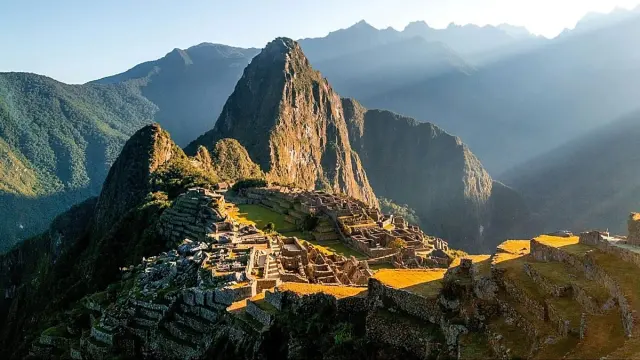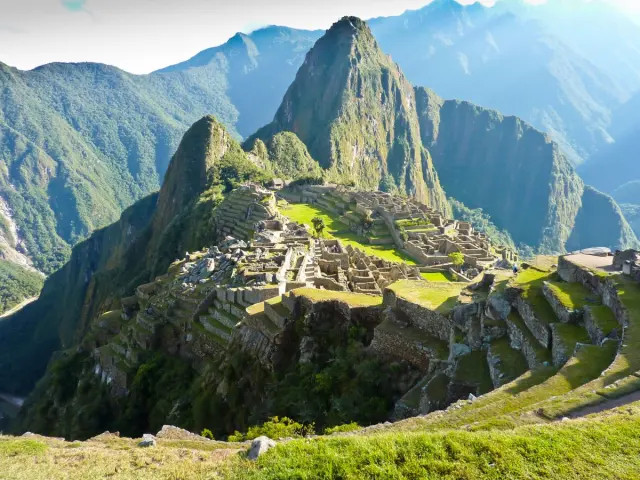
Getting to Machu Picchu has never been smoother. Trains and shuttles now run efficiently from Cusco down to Aguas Calientes, the gateway town sitting nearly 7,000 feet above sea level. But ease of access has a downside: crowds. So many people pass through the Incan citadel each day that even small individual choices add up fast.
Peruvian authorities responded last year with a stricter visiting system. Every visitor now needs an official guide, a ticket with a designated time slot, and a willingness to stick to the assigned circuit. The idea is twofold: protect the archaeology and make the experience less chaotic, while also formalising how local guides organise their tours.
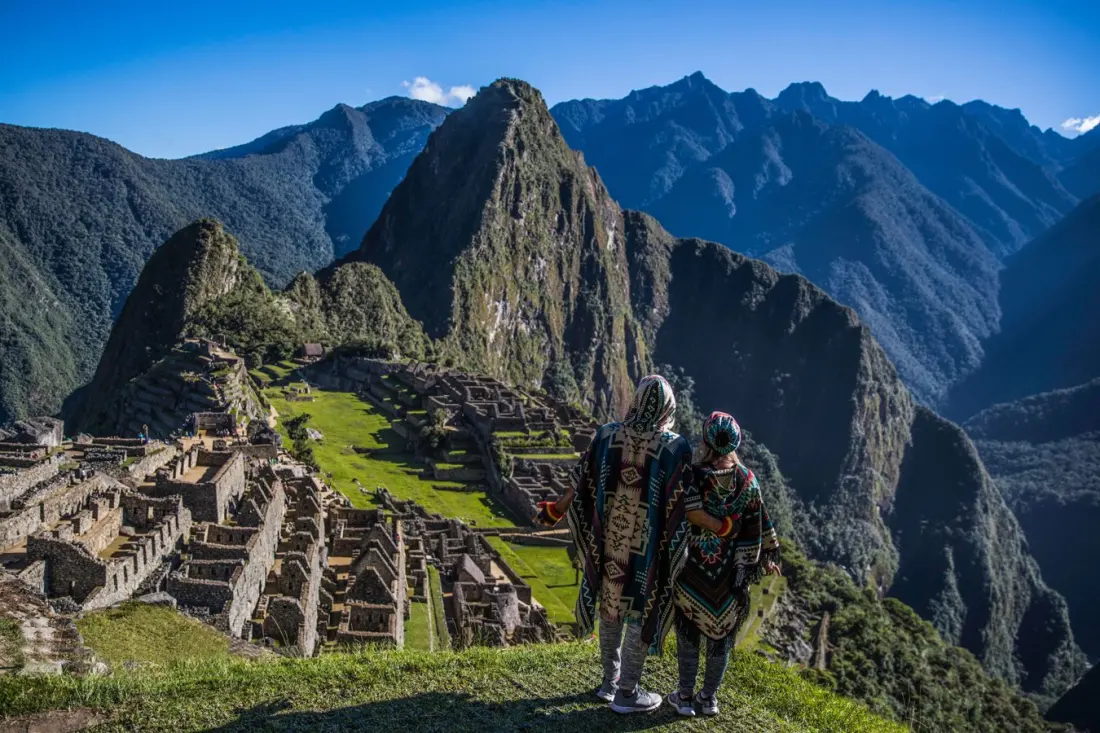
Yet according to Hedder Quispe Puente de la Vega, founder of Machu Travel Peru, many visitors still break one crucial rule without realising it: stepping off the marked route and touching the ancient stonework. It usually happens mid-photo — someone leans on a wall for a selfie or ducks past a barrier for a better angle of the terraces. Puente de la Vega is blunt about the consequences. These actions are strictly prohibited and risk damaging stones that have survived more than 500 years. A single careless lean can leave a mark that never heals.
The authorised circuits aren't arbitrary. They're drawn up around the site's structural integrity, routing foot traffic away from the most fragile walls and structures. Wander outside them and you're not just bending the rules — you're putting real pressure on irreplaceable archaeology.
Puente de la Vega's advice goes beyond staying on the path. Keep noise down, don't litter, and treat the citadel as what it is: a fragile, protected monument rather than a backdrop. It sounds like small stuff, but multiply a single selfie-leaning tourist by the thousands who arrive daily and the cumulative impact is significant.
Why does this matter for your trip? Because the new rules have changed how you should plan. You can no longer just show up with a ticket and wander freely — you'll need to book a timed entry slot in advance, and you'll be moving through the site with a guide on a fixed circuit, typically at a brisk pace. That means choosing your time slot carefully (early morning slots offer softer light and thinner crowds before the midday rush), and doing a bit of homework on which circuit covers the viewpoints you care about most, since you won't have free rein to roam.
The good news is that the system also works in your favour. Fewer people inside at any one time means quieter moments at the Sun Gate and the classic postcard view from the Guardian's Hut. And travelling with a local guide, as now required, tends to add depth — context on Incan engineering, astronomy and daily life that you'd miss with a guidebook in hand.
The takeaway is simple: book ahead, follow your circuit, keep your hands off the stones, and let the site do the talking.
Story via TravelAwaits.