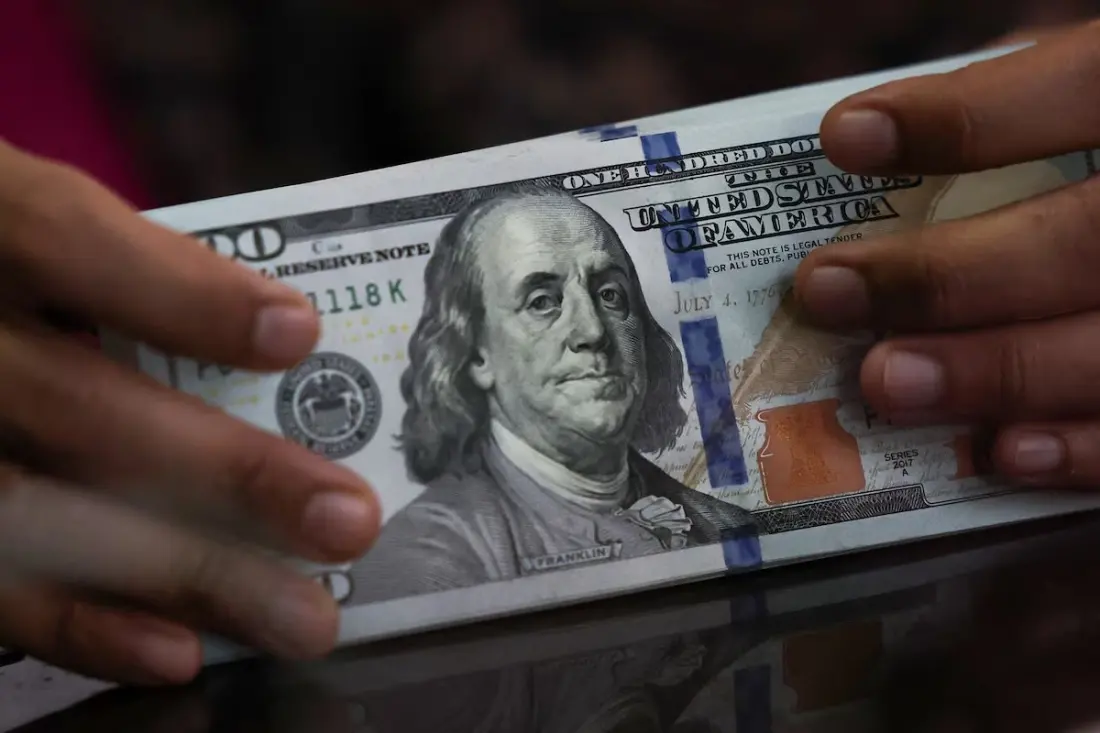
The US dollar crossed the 55 Egyptian pound mark for the first time on Thursday, 22 October, with selling rates at Egyptian banks topping out at EGP 55.37. If you're planning a trip to Egypt, that number matters more than you might think.
The specifics: Al Baraka Bank listed the highest selling rate at EGP 55.37, while the National Bank of Egypt, Banque du Caire and Suez Canal Bank all sat at EGP 55.35, and Banque Misr at EGP 55.33. Rates jumped by roughly EGP 0.90 in a single day's trading across the five major lenders.
To put the slide in context, the pound was trading at about EGP 47.72 per dollar in late February, before the US-Iran conflict escalated. That's a depreciation of nearly 14 percent in under two years of managed float — the pound has been on a rollercoaster since the Central Bank of Egypt moved to a flexible exchange rate system in March 2024, part of an IMF-backed reform push meant to close the gap between official and street rates and fix chronic hard-currency shortages.
So what does this mean on the ground for travellers? In short: your money goes further. A dollar (or euro, or pound sterling, which have broadly tracked the move) buys around 15 percent more than it did at the start of the year. Hotel rooms quoted in Egyptian pounds, local restaurants, domestic trains, entry tickets to sites like the Grand Egyptian Museum or the temples of Luxor — all of it gets cheaper in real terms for anyone paid in hard currency. The catch is inflation, which has pushed up local prices too, so don't expect everything to feel half price.
There's a practical money angle worth knowing. Egypt's exchange rates now vary bank by bank, and the gap between buying and selling rates can be meaningful. Travellers exchanging cash or withdrawing pounds should compare rates at a couple of banks rather than accepting the first offer, and card payments are usually converted close to the official rate — often a better deal than airport kiosks. Carrying some USD cash in good condition remains handy, since crisp dollar bills are widely accepted for tours, tipping and diving or desert excursions.
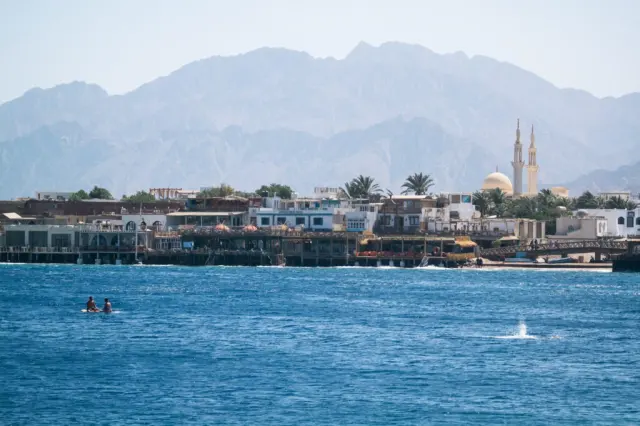
For anyone who has been sitting on a Egypt itinerary — a Nile cruise, Red Sea diving in Dahab or Hurghada, or Cairo's ever-expanding museum scene — the current rate is close to the most favourable it has been in years. Tour operators pricing in pounds are effectively discounting for foreign visitors, and it's a window that may not last if the pound stabilises or recovers.
The broader picture is one of an economy still finding its footing after the 2024 float, with the IMF program keeping pressure on for market-determined rates. Fluctuations are the new normal, so build a little flexibility into your budget. But if ever there was a moment when a strong dollar makes Egypt unusually good value — from cheap street food in Cairo to five-star dives in the Red Sea — this is it.
Story reported by Egyptian Streets.