Belize is going to the big lenders for help with a smelly, money-draining problem: sargassum. Prime Minister John Briceño announced on October 20 that his government is pursuing an initial US$10 million from the World Bank, with a total goal of about US$20 million, structured as two US$5 million tranches. Talks are also open with the Inter-American Development Bank, which Belize would like to see support everything from offshore collection to turning the seaweed into electricity.
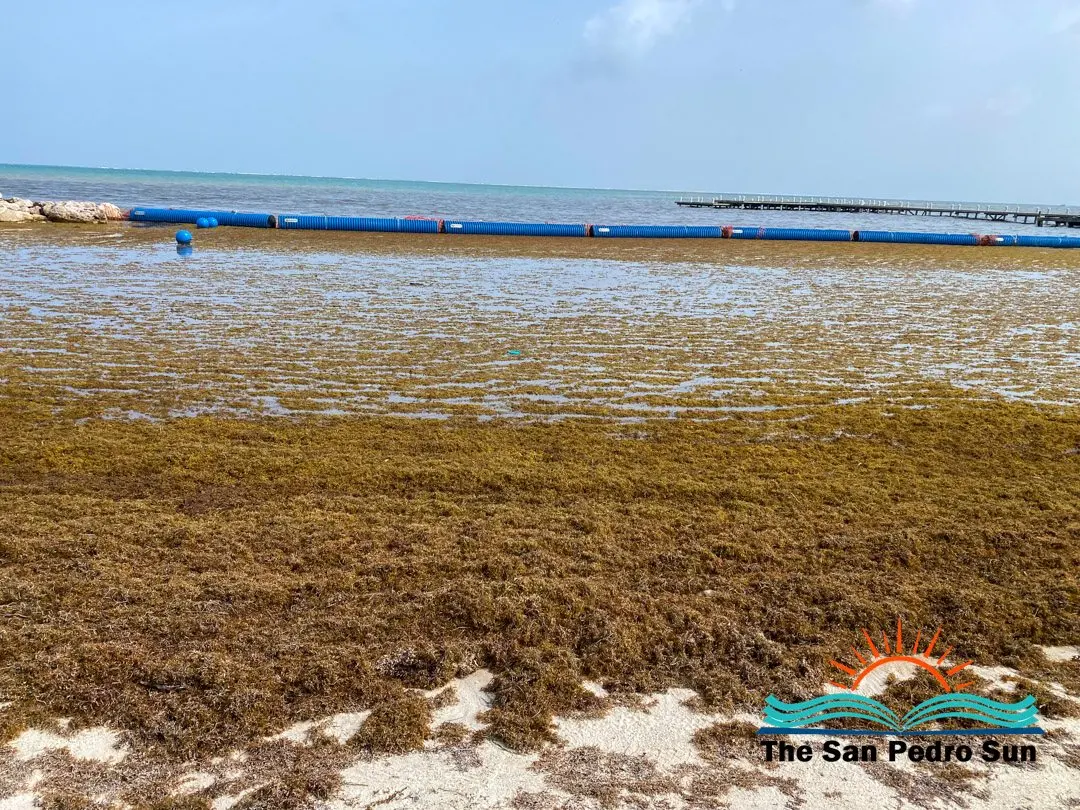
The timing matters for anyone with a beach holiday in mind. Recent months brought heavy accumulations to Ambergris Caye's eastern shoreline, and the effects rippled straight through the visitor economy. Restaurants in San Pedro reported dropped reservations as decomposing seaweed released its notorious odour, and beachfront hotels logged cancellations. The San Pedro Town Council is spending roughly $45,000 every week on labour and equipment just to keep downtown beaches clear, and residents have pitched in with community clean-ups.
There is a piece of hardware in this story, too. In April 2025, two sargassum harvesters arrived in San Pedro, bought by the Hol Chan Marine Reserve through a loan from the Belize Social Security Board. They intercepted the seaweed offshore for a few months before falling idle. Area Representative Andre Perez says the machines worked well but that the project's future depends on coordination between the town council, hotels and other private-sector players.
Briceño has framed sargassum as a national and regional crisis with health, environmental and economic consequences, hitting tourism towns like San Pedro and Hopkins hardest. He raised it with World Bank officials during recent travels and with IDB President Ilan Goldfajn at the Bank-IMF Annual Meetings in Bangkok, arguing that Belize and its Caribbean neighbours did not create the problem — he points to climate change as a driver of the larger blooms — and wants sargassum formally recognised as a disaster risk. Belize is asking for low-interest financing with long repayment periods, and is floating ideas like waste-to-energy plants, carbon credits and commercial by-products.
So what does this mean for travellers? The immediate news is mildly encouraging: the National Meteorological Service reports that arrivals along the coast are starting to decline, though scattered mats could still show up over the coming days. Nothing has been committed yet — no funding is locked in, and the government hasn't said how the money would be spent or when it might arrive. In the meantime, beach conditions on Ambergris Caye and other east-facing shores can change quickly with wind and currents, so it's worth checking recent reports before booking a beachfront stay, and considering west-side or leeward locations if seaweed is a dealbreaker.